

5 Expensive Gins That Aren't Worth The Price, According To An Expert
If you think you don't enjoy gin, you probably haven't found the right one. There are so many styles — and variations on those styles — that it would be impossible to make your way through them all in a lifetime. You've got your traditional juniper-forward gins, modern citrus-driven gins, and ethereal floral gins. There's brisk London Dry, rich, round Old Tom, and high-octane Navy Strength. Some gin makers utilize dozens of botanicals, while others take a simpler, more streamlined approach to their flavors. With so much overwhelming variety, it can be tempting to reach for the priciest bottle on the top shelf assuming you'll have the best drinking experience.
That's not always the case, and as a long-time bartender, cocktail creator, and spirits buyer and purveyor, I'm always looking for the best product at the best price. With gin, it can be particularly tricky because of the wide variety of styles. You don't want to spend top dollar on a gin that doesn't fit your drinking profile. In fact, some of the most expensive gins are also the least versatile, made for one purpose — dry martinis, for example — or one particular type of palate. While high-end gins may be precious gems to some connoisseurs, most people will likely find the return on investment less than satisfactory. These are some of the gins that fall into that category — not bad, by any means, and in some cases exceptional, but not worth the high prices for most of us.
Monkey 47
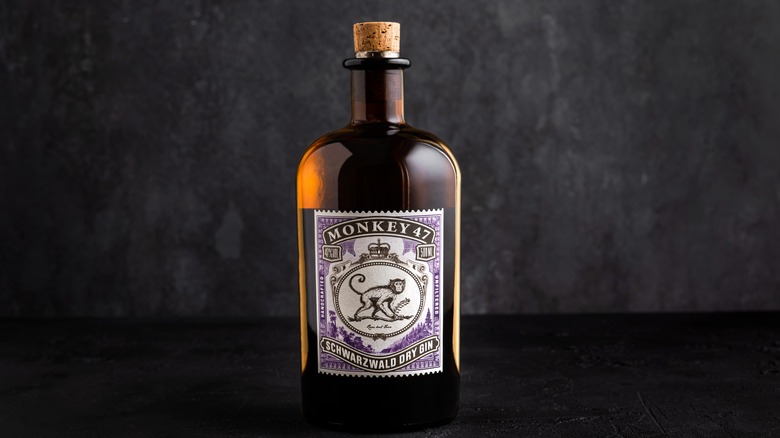
The first time I tried Monkey 47 was certainly a memorable experience. I thought the spirit was unique and deeply complex, but I also felt like it was a bit all over the place. That's not necessarily a bad thing — not all gins need to be laser-focused on one particular flavor profile, and many of this gin's hardcore fans love the unending barrage of aromas and flavors that comes at you as you sip (the number 47 in the name refers to the number of different botanicals involved in the creation process, all sourced from Germany's Black Forest, where it's made). I was just left a bit unsure of what to do with this strange elixir.
If you like to sit and meditate as you sip a spirit over time, this might be the bottle for you. I find its intensity a bit too powerful to sip enjoyably — as one reviewer put it, "It's too much, just way too much, and leaves you feeling like you've been slapped across the face with fir tree." Mixing with it is difficult, and I've yet to have a cocktail that worked well with this — it's tough to find any ingredients or mixers that don't clash with or obliterate its layers of flavor. At $69 average retail at the time of this writing, this isn't a product that can easily be played around with, making it a tough buy unless you already know you love it.
Ki No Bi Sei
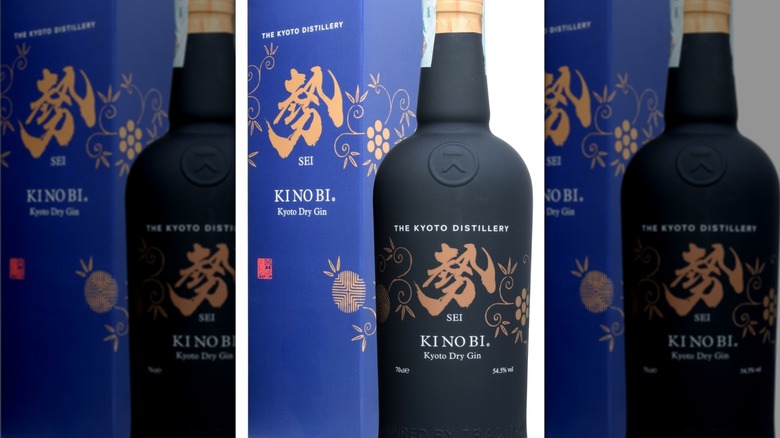
The Kyoto Distillery was the very first Japanese distilling facility to focus exclusively on gin, filling a void in a country that's far better known for its whiskies, and the wide range of cocktails they inspire. Ki No Bi Sei is the high-proof version of their classic dry gin, made with 11 botanical ingredients, most of which are sourced locally and which add a unique Japanese character to the flavor profile. Yuzu and green tea leaves are prominent along with the classic juniper aroma and flavor, and the intensity of everything is ramped up here due to the higher alcohol content.
That intensity and full body make this a better mixing gin than a sipping gin, but at $85 a bottle, it can be tough to justify throwing it together with any ingredients that could alter or diminish its flavors. Diluting its strength with ice and soda or tonic water may be the best compromise, but in that case, you may as well save yourself some money and get the regular proof dry gin (still not cheap, but slightly less extravagant).
Aviation American Old Tom
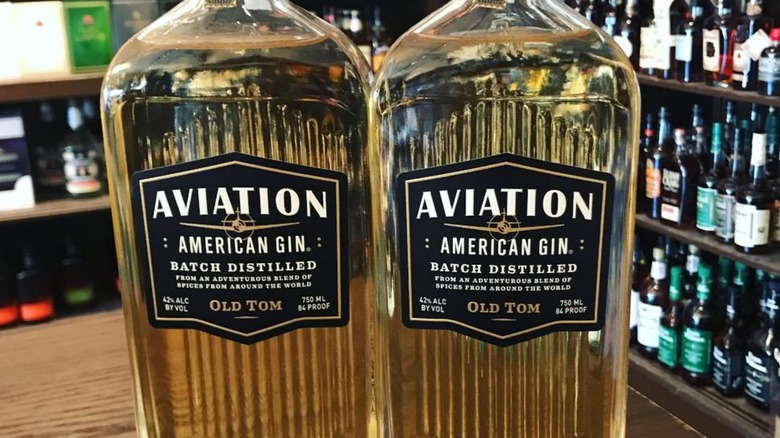
Old Tom gin is a unique style of the spirit that you'll find all over pre-Prohibition cocktail recipes. It lies somewhere on the spectrum between Genever, the Dutch spirit that inspired gin, and the drier and more modern styles. With its richer texture and typically mellower flavor profile, it's arguably the best style of gin for mixing, although its slight sweetness can rub some gin drinkers the wrong way. Old Tom gin had been relegated to a footnote in spirits history until the recent craft cocktail boom, and now distillers all over are trying their hands at the style, including Aviation, the brand once owned by actor Ryan Reynolds.
There are no hard-and-fast rules when it comes to what makes an Old Tom gin. The richness and sweetness can come either from the addition of sugar or by aging the spirit in barrels, or a combination of the two. Aviation ages their gin for one year in white oak ex-whiskey barrels to turn it into an Old Tom. This accounts for its much higher price tag (averaging around $45 per bottle) compared to regular Aviation — even used oak barrels aren't cheap, and producers understandably charge more for products that they have to sit on while they age. The issue is that there are other Old Toms out there either slightly or significantly cheaper, and in my opinion, better. So unless you're a huge Deadpool fan, reach for Ransom or Hayman's and save yourself some cash.
Silent Pool
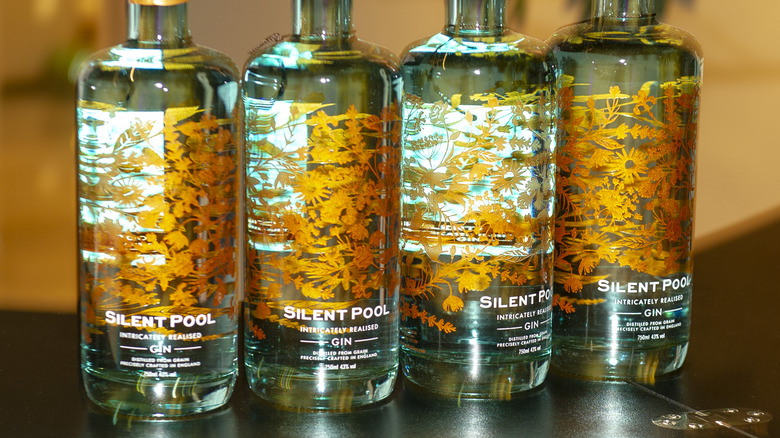
One of the increasingly popular floral-focused gins, Silent Pool bursts forth with aromas of rose, lavender, elderflower, and chamomile to complement the classic London dry citrus and juniper. It also includes the addition of honey sourced from a local beekeeper neighbor near the distillery in Surrey, England. That honey gives this gin a roundness and slightly sweet profile that's reminiscent of Old Tom gins, rather than the crisper London dry style — this could be a plus for some drinkers, but a turn-off for others.
Silent Pool calls this a luxury gin, and with an average price of $58, it's certainly that. The price makes it "tough to swallow" as a mixing gin, and some of the delicate floral notes can get lost in cocktails. If you enjoy a sweeter, rounder style, it's a pleasant enough gin to sip on, so it's up to you if a pleasant enough experience is worth that kind of money. There's a similar, and in my opinion superior, gin from Caledonia Spirits in Vermont called Barr Hill, which is also made with local honey, and that'll run you about $20 less per bottle. There are also plenty of other floral gins that offer a similar aromatic profile that are far more affordable. One reviewer described it as "pretty and a little basic," not exactly a description that justifies the price tag.
Nolet's Reserve
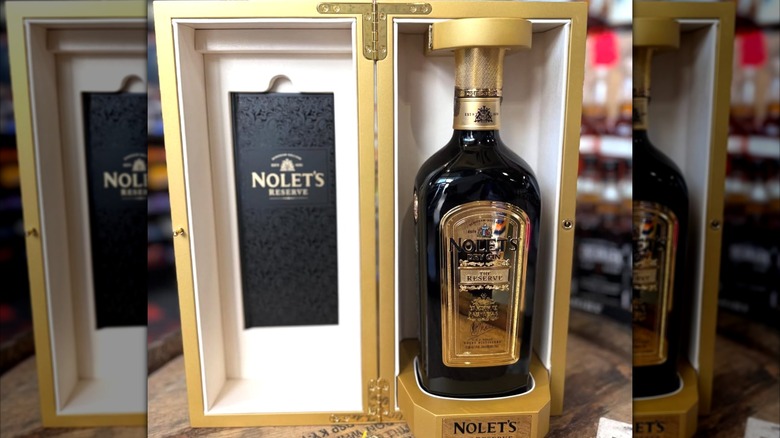
Up until now, the expensive gins on this list have been a bit on the pricy side, perhaps a little too high for what's in the bottle. With this gin, Nolet's Reserve, we're shooting up into the stratosphere. If you can find this bottle for under $600, consider it a steal — it retails on average for more than $700. The recipe for this bottling comes directly from the distillery's current owner, Carolus Nolet, Sr., who comes from generations of Dutch gin makers. The main botanical ingredient that's touted in this gin is saffron, the luxurious and expensive spice, which is surely part of the reason for this spirit's eye-popping price.
The big question is, is it anywhere near worth the cost, even if you are a dedicated gin connoisseur? Admittedly, I've never had the opportunity to enjoy it myself, and it's a tough one to find, as its produced in extremely limited quantities. It would have to be a pretty life-changing experience to justify the investment, and while the consensus seems to be that it's an exceptional quality spirit, the reviews aren't all as glowing as you'd expect. One reviewer sums it up thusly: "I'm reluctant to say that Nolet Reserve is the 'perfect gin,' and not simply 'a quite good contemporary gin."" I'm not against spending $700 on gin — I just think most of us would be happier if that price got us more than one bottle.
Methodology
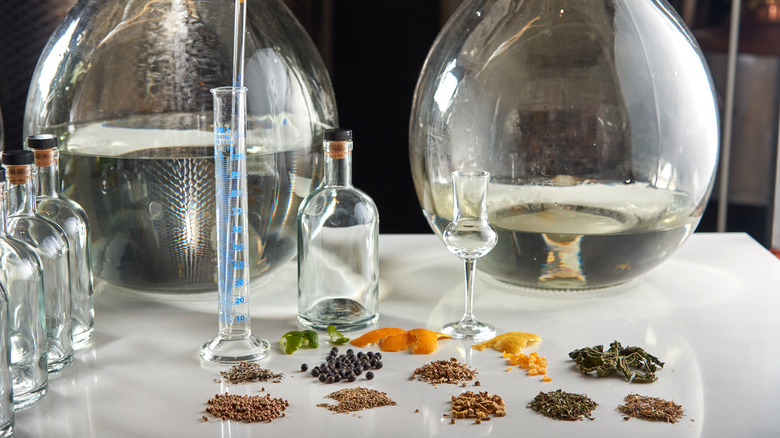
In my years behind the bar — and behind the scenes in the booze world in general — I've tasted, sold, and played with hundreds of spirits. Gin is generally my go-to when it comes to cocktail creation, thanks to its variety, versatility, and ability to complement so many sweet and savory ingredients. It's also the one spirit I make sure to always have on my home bar, ready for a quick G&T or to stir into my favorite classic cocktail, the negroni.
This list is compiled from my personal and professional experience tasting, using, and researching these spirits. While I enjoy splurging on pricier gins now and again, no one including myself likes to feel like they wasted money or got ripped off. And while many of these gins are award-winning and well-crafted, they're also the bottles that, in my experience, are not always accessible to the everyday gin drinker, and so might elicit such a reaction thanks to their high price tags. Speaking of prices, I used wine-searcher to find the average price of these bottles — actual price may vary based on location and other factors.