

9 Essential Tips For Cooking With A Cast Iron Skillet

We may receive a commission on purchases made from links.
Cast iron skillets have been around for generations. But, where they were once one of the most common pans used in the kitchen, for many people they've fallen out of popularity in favor of non-stick options, which are generally considered easier to maintain. However, some folks have returned to cast iron skillets after learning of the many advantages of cooking with them. Benefits include exceptional durability, holding heat well, versatility, and affordability, to name a few. But using these pans is quite different if you're used to cooking with modern non-stick options — and you may feel a little lost at first.
Although the rules of cooking with cast iron may seem overwhelming, it's a simple process once you get the hang of it. And, when you've mastered your cast iron skillet, you can move on to make delicious dishes like skillet cornbread, fried chicken, delicious steaks, and much more — such as cast iron recipes you had no idea you could make. To get you started on your culinary journey, here are nine essential tips for cooking with a cast iron skillet.
Season your cast iron skillet before using it
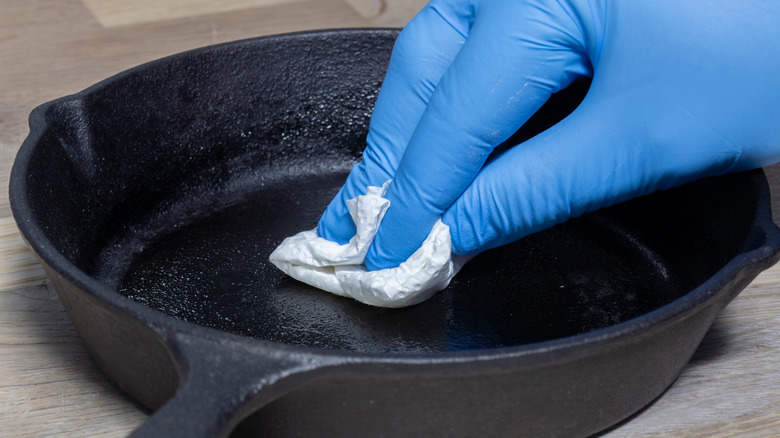
"Seasoning" actually has nothing to do with spices, making the term feel somewhat misleading. In the realm of cast iron cookware (skillets included), seasoning is a process by which you add a protective layer to the metal. This protective layer serves dual purposes. First, it prevents damage to the skillet itself. Second, it helps prevent food from sticking to the pan during cooking.
There are numerous methodologies for seasoning your cast iron skillet online — so many, in fact, that it can quickly feel confusing. But, the most traditional way is also the most straightforward, and we highly recommend it for its simplicity. Start by washing and fully drying your pan. Then, use a napkin to rub oil (like vegetable or canola) all over the pan. Make sure you get the handle and the outside of the pan, too, not just the inside. Continue to rub until you can't see the oil anymore, and then pop it in the oven.
If you're seasoning a brand new pan, you may want to repeat this process a few times to ensure full protection. If it's a pan you've had for a while, you can sporadically go through the seasoning process to help ensure the skillet stays protected.
Get the right cooking temperature
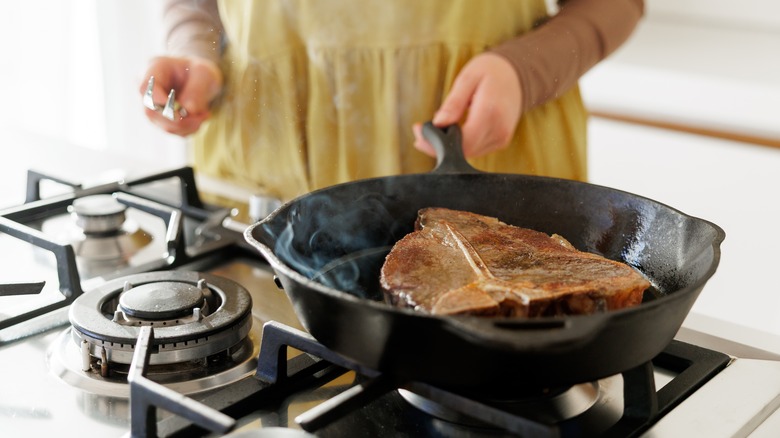
A cast iron skillet generally requires different temperatures than modern cookware because it holds heat better once it's preheated (see below for more information on that). Due to this, many people struggle with their pans getting too hot or cold, which can cause issues. A pan that's too hot will quickly burn your food and cause that food to stick to the bottom of the pan. If the pan is too cold, the food won't cook properly. In either instance, it can lead to uneven cooking.
The ideal cooking temperature for your cast iron skillet will depend on many things, including the thickness of your pan, the type of stove (or fire), and the cooking method you're using. However, a good starting point for frying is to use medium heat for anything more delicate, like fried eggs, and medium-high for searing foods like pork chops or steaks.
If you have an infrared thermometer, you can use it to determine the exact temperature you should be using based on your circumstances. For cooking delicate items, you'll want your pan to be around 400 degrees Fahrenheit. For searing, aim for 500 degrees Fahrenheit. If you don't already have one, the Etekcity Infrared Thermometer Temperature Gun is an excellent choice that's affordable and easy to use, with an intuitive interface and comfortable hand grip.
Always preheat your pan before placing in your food
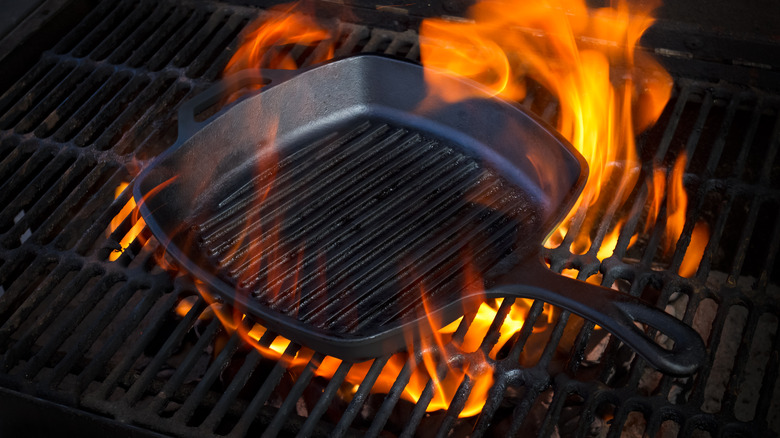
Since cast iron skillets are larger and thicker than most modern cookware, it's important you preheat them before adding food. Preheating takes less than five minutes and works best if the skillet is used on a burner that's the same size or larger than the pan.
Preheating your cast iron skillet is simple. Place the pan on the burner or over an open flame and let it sit for three to five minutes, until it reaches the appropriate temperature. If you have an infrared thermometer, you can use it to check the surface temperature of the skillet. If not, wait a few minutes and place a drop of oil into the bottom of the pan. If it sizzles, the pan is ready to be used. Once the pan is preheated, it is recommended you turn the heat down just slightly (one to two notches on a standard stove) because of how well these pans retain heat.
Skipping this crucial step is a common mistake that can lead to several unintended consequences. Most importantly, it can lead to foods sticking to the cast iron skillet, which can not only ruin your dish but also make cleaning a challenge. Plus, foods may not cook evenly and remain raw in the middle or other specific areas, which (of course) poses a health hazard.
Use plenty of oil or fat to prevent sticking
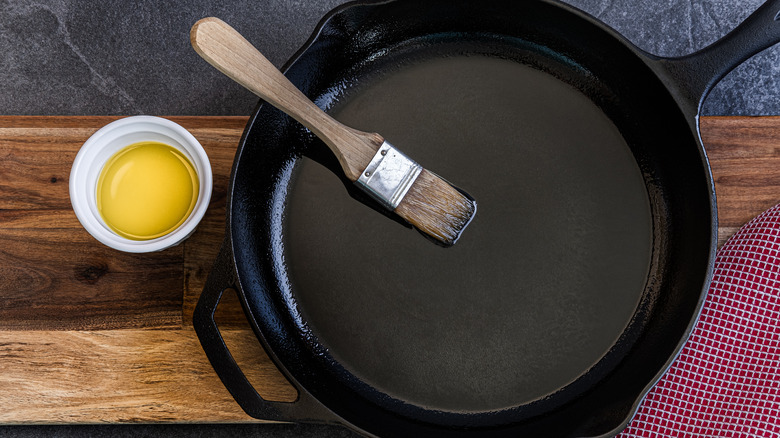
If you have a strong layer of seasoning on your cast iron skillet, the chances of your food sticking to the pan are low. However, it's important to know that seasoning doesn't last forever and it still needs to be protected. For this reason, it's highly recommended you use plenty of oil or fat in the bottom of your pan to prevent food sticking during cooking. Plus, that extra oil can help protect and enhance your cast iron skillet's seasoning.
There are plenty of oils you could use for cooking in your cast iron skillet. The key is to ensure the temperature you're cooking at is below the smoke point of the oil you wish to use. When seasoning your pan, you can use canola oil, melted shortening (like Crisco), or vegetable oil. Thankfully, you don't have to cook using the same oil you seasoned the pan with, despite some people believing the contrary. So, feel free to use whatever oils you like best for either task.
Skip cooking certain foods in your skillet
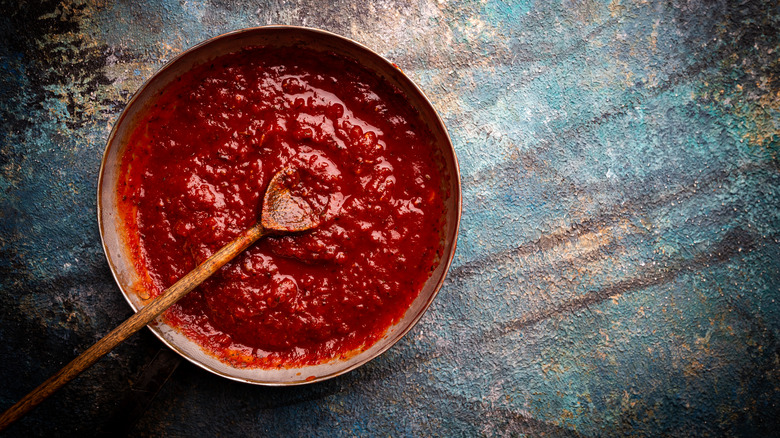
Although cast iron skillets are versatile enough to be used for a wide range of dishes, there are a few types of foods you'll want to skip, for varying reasons. But the most important thing to avoid cooking are acidic foods, like tomato sauce, wine-braised meats, pickled items, berry dishes, or anything cooked in vinegar. These highly acidic foods can absorb the taste of the cast iron and come out tasting metallic — and nobody wants to eat something that tastes like a tin can. The second issue is that the high acid content in these foods can break down the protective seasoning layer of your cast iron skillet, making it more prone to damage.
Cooking certain other foods in your cast iron skillet should be approached with caution. For example, thin and delicate varieties of fish can be challenging to cook in cast iron. They run the risk of being quickly overdone or sticking to the pan. Scrambled eggs are another example of a food that runs a high sticking risk. However, if your pan is well seasoned and you use adequate cooking oil, you may not run into problems.
Understand how to bake in your cast iron skillet
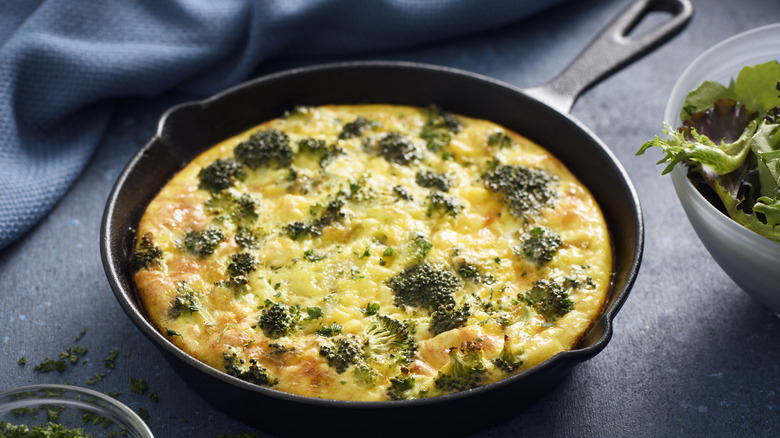
Although pan frying is the most common way people cook with a cast iron skillet, you'd be amiss if you didn't attempt baking in yours, too. This versatility is one of the largest benefits of these pans, after all. One thing to keep in mind is that baking in your cast iron skillet has different rules than frying in it, so you'll want to understand these before diving in.
There are a nearly limitless amount of things you can bake in your cast iron skillet. From chocolate brownies to apple pies and beyond, the sky is the limit. However, you'll want to ensure your skillet is properly prepped. To do this, make sure you thoroughly coat the insides of your skillet with your preferred oil and then dust with a little flour to prevent sticking.
If you want a crispier crust on your pies or pastries, preheat the skillet before pouring in your batter. But, if you're okay with a softer crust, you can skip this step. Remember to wear oven mitts when pulling your baked goods out of the oven, as the skillet will be very hot.
Remember to use it for open-flame cooking
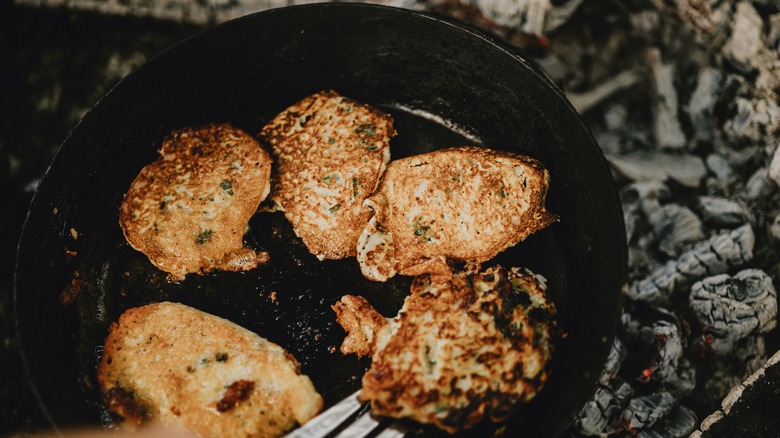
Cast iron skillets are good for cooking in so many situations, including over an open flame, such as when camping. There are a few methods for doing this. First, you can bring a tripod to hold the skillet above the flame — if you have room in your car to bring one. Or, you can place the skillet directly on heated coals instead of over the flame itself. The first option is preferred, but the second will do in a pinch.
When cooking over an open flame, you still want to give your cast iron skillet time to preheat. This will help ensure the entire pan is hot enough to cook your food. However, you may want to allow the pan to preheat a little longer than you would on a stove, since flames don't provide heating as evenly as a standard burner.
Be sure to take special care of cleaning and storing your cast iron skillet when outdoors. Cleaning can be accomplished by taking a handful of salt and scrubbing the bottom of the pan to remove any bits of stuck-on food. Then, wipe with a clean cloth and reapply a light layer of oil. Don't store your cast iron skillet outside because it can be damaged by condensation like morning dew. Instead, store it inside of your car, tent, or bag, to keep it safe and dry.
Don't get discouraged if you struggle at first
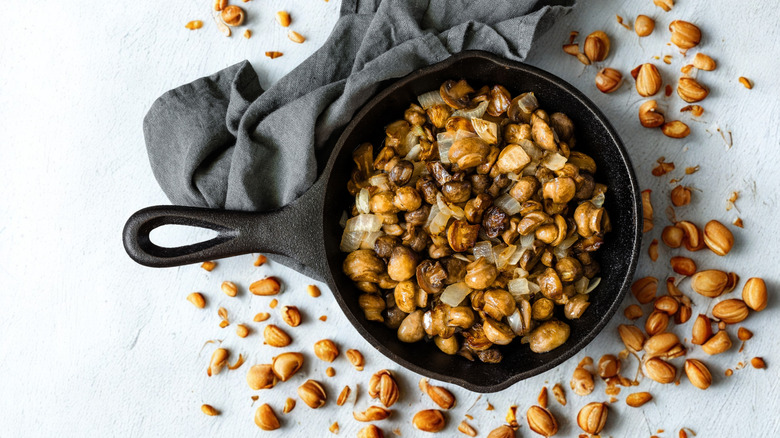
Remember that no matter how easy someone tells you it is, cooking with a cast iron skillet can be a major adjustment when you're used to modern non-stick options. While you may agree later that cast iron is easier or better, you're bound to make a few mistakes at first — and that's totally okay. Try not to get frustrated or give up, but use each mistake as a learning experience.
There are a few common mistakes you should know about so you can avoid them and get a leg up at the start of your learning journey. One of those mistakes is allowing a cast iron skillet to air dry or, worse, storing it while it's still a little damp. Moisture will cause your seasoning to degrade and the cast iron to rust. Instead, wipe your pan thoroughly dry or pop it on the stovetop for a few seconds after you've washed it. Always give your pan one last wipe with a clean cloth before storing it away.
Another common issue is believing your initial seasoning is enough and you'll never have to do it again. But, that's far from true. While you won't need to re-season after every use, it's good practice to occasionally re-season your pan to enforce the protective coating. How often this needs to be done varies based on the frequency of use, but every few times used should be fine.
Clean it properly to ensure it's ready for its next use
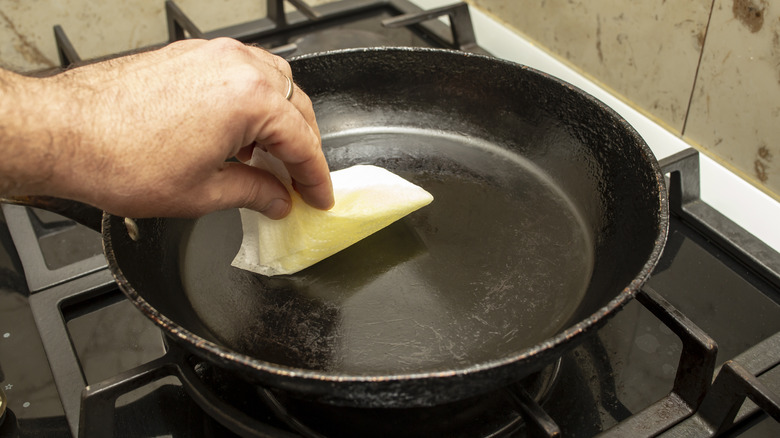
While not technically a cooking tip, knowing how to properly clean your cast iron skillet is essential to the overall process. We discussed the importance of fully drying your cast iron skillet, along with how to clean it with salt. But, there are more nuances you should be aware of.
For starters, a salt scrub isn't the only way to clean your cast iron skillet. You can also use a soft spatula to gently scrape any leftover food particles from the pan before wiping with a cloth. Or, you can use warm water and a soft sponge before drying the pan completely. It's okay to use standard dish soap if there's food that's really stuck on, but make sure you re-season your pan afterward because that method can strip some of the seasoning off.
It's also important to understand some things you should avoid when cleaning your cast iron skillet. For example, never use metal tools or brushes to clean your skillet, as it can not only strip the seasoning off, but also damage the iron underneath. You'll want to avoid harsh chemicals and soaking your pan for the same reasons.