

9 Cheeses That May Not Be Worth The Price
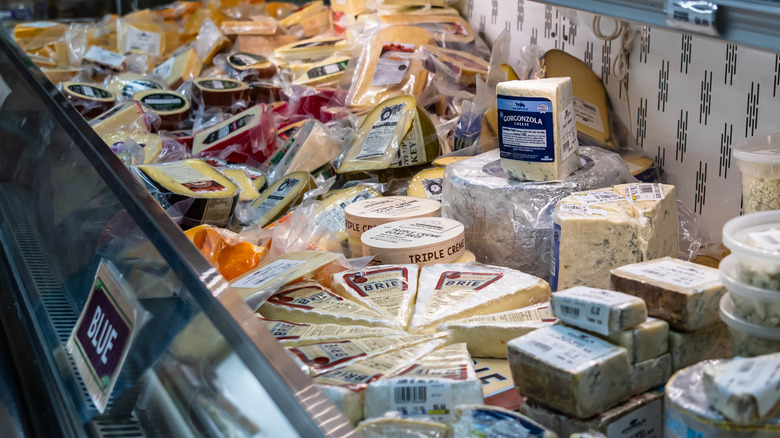
Like pretty much everything else, cheese has become more expensive in recent years . Even cheap standbys like American cheddar have gotten pricier, in part because of lower milk production. But that doesn't mean anyone's giving up cheese –- indeed, another reason it's gotten pricy is because we love it so much, which has driven up demand.
For those of us cheese lovers watching our budgets, this means we need to get pickier and smarter about what we put on our shopping carts. We still want to splurge on nice cheese once in a while, but we want to be sure it's worth our investment. Some good cheeses are expensive for a reason –- they may be labor-intensive to make, or, like Parmigiano-Reggiano, made in only restricted areas from specially sourced ingredients. Other fancy-sounding cheeses, however, fail to live up to their hype. So if you want to get the most from your cheese budget, steer clear of these potential sources of disappointment.
1. Triple-Crème Brie
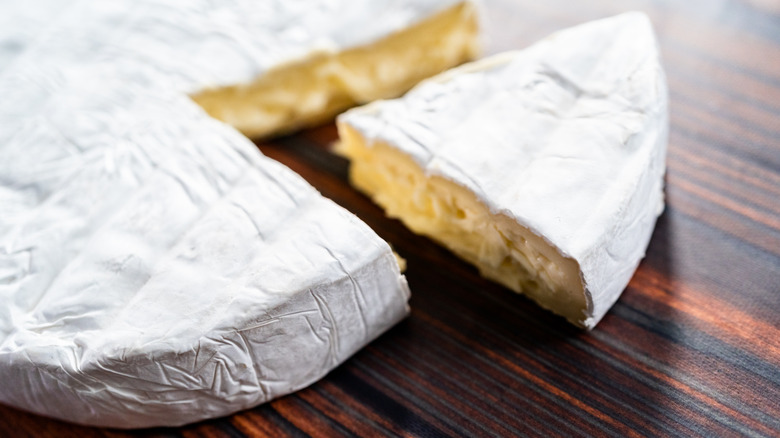
It's rich. It's creamy. It's splurgy — but it doesn't taste like much. The very words triple cream Brie offer the promise of an elevated culinary experience – but the only thing it's likely to elevate is your cholesterol level. It does indeed taste rich – after all, its dry matter is at least 75% butterfat. And we can't deny that this gives it an incredible mouthfeel. But if you're building a cheese board on a budget and want a soft-rind cheese to balance out your other choices, you have tastier and more affordable options.
For this, cheese experts recommend Camembert, a lesser-known close relative of Brie. It looks very much like Brie — it comes in rounds covered with a similar soft, white rind, and the interior has the same color and consistency as Brie. Camembert has far less fat than triple-crème Brie — under 20% — but what it lacks in fat, it makes up for in flavor, which some have described as vegetal or mushroom-like. As it ages, it softens and develops a more assertive flavor that pairs well with sour beers and ciders. It's not only cheaper per ounce than triple-crème Brie, it'll give you something to taste besides fat.
2. Smoked Gouda
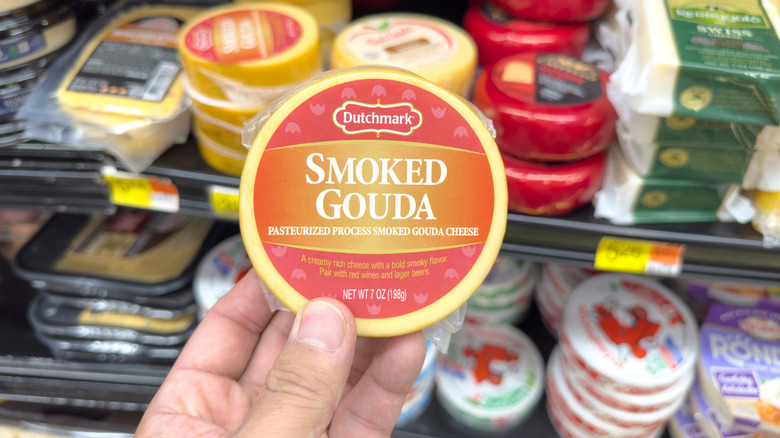
Smoked Gouda is a favorite fancy-ish supermarket cheese because it's easy to find but feels more elegant than everyday blocks of cheddar and jack. But is it really? The smoky taste gives it a classy touch, but if we're being honest, the cheese itself almost always gets lost in the mix. You'd be hard-pressed to taste anything distinctly Gouda-ish under all that smoke. This makes serious cheese nerds sad. "People always ask if I have any smoked Gouda. If I never heard those words again, I'd be so happy," cheesemonger Steve Jones told Yahoo News. "The vast majority of people are eating [it] because they like the smoky flavor, not the cheese." In many cases, he warned, the smoke is just a way to cover up mediocre cheese while charging a premium.
Jones concedes that some good versions of smoked Gouda exist, but they're few and far between. And we confess that it can be a convenient way to add a touch of smoke to dishes such as mac and cheese. What you want is a version that's lightly smoked so the taste of the cheese still comes through. If you have a smoker (or a friend who does), try making your own. Choose a wood that produces lightly scented smoke (such as applewood or maple), and cold-smoke your cheese for between 30 and 60 minutes — no longer.
3. Truffled cheese
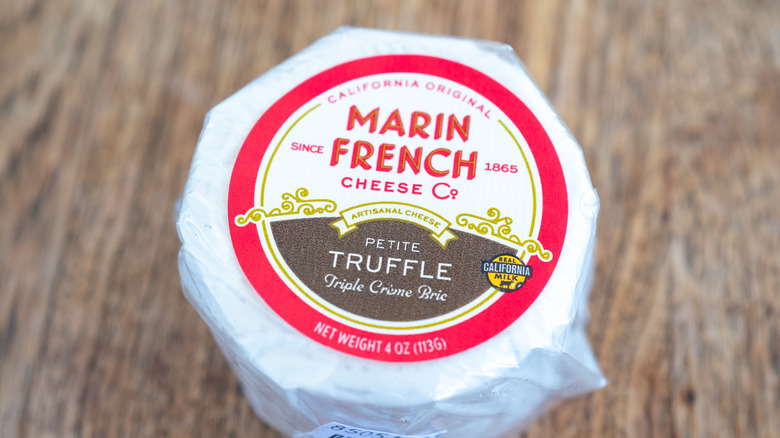
Foodies tend to fall into two camps: Those who gravitate towards anything truffle-flavored because it sounds elegant and exotic, and those who avoid them for the same reason. Actual truffles may be great (if expensive), but truffle-flavored chips and cheeses at a mass-market price point are usually too good to be true.
While many food lovers delight in the easy availability of truffle oil, in reality, they're likely not getting any actual truffles at all. Almost all commercial truffle oil gets it aroma from artificial flavoring. Ditto for truffle-flavored chips, honey, and sadly enough, cheese. Yes, cheese flavored with artificial truffle oil can be tasty in the right context and people do enjoy it, but if you're a serious truffle aficionado, do your due diligence when shopping. Some varieties of truffle cheese get their fragrance from flavoring as well as (or instead of) real truffles, and those little black specks may in fact be bits of black olive or mushroom, not truffle.
4. Fresh mozzarella
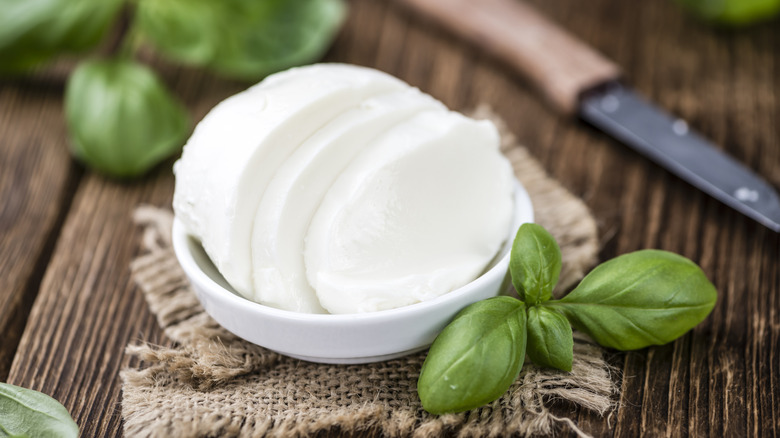
Snowy-white, tender fresh mozzarella is now a routine offering at supermarkets, to the delight of cooks and eaters in search of something fresher and fancier than standard mozzarella. But pretty as it is, it doesn't offer much except for a bit of milky flavor. And it rarely lives up to its promise of milky goodness. Fresh mozzarella was originally intended to be eaten as fresh as possible, within hours of production – ideally, it should never see the inside of a refrigerator. Chilling causes it to release liquid more easily, giving it a rubbery texture. It'll also make cooked dishes watery and soggy — if you've spent months perfecting your crispy homemade pizza crust, a generous fresh mozzarella topping can spell disaster.
But unless you're lucky enough to live down the road from a cheesemaker, any fresh mozzarella you get will come from a refrigerated case. And wonderful as it is, the handmade artisanal stuff is pricy, and rightfully so. If you really love fresh mozzarella and want to enjoy it at its best, learn to make it yourself: It's one of the easiest and fastest cheeses to make, and you'll be saving a good chunk of money.
5. Pre-shredded cheese
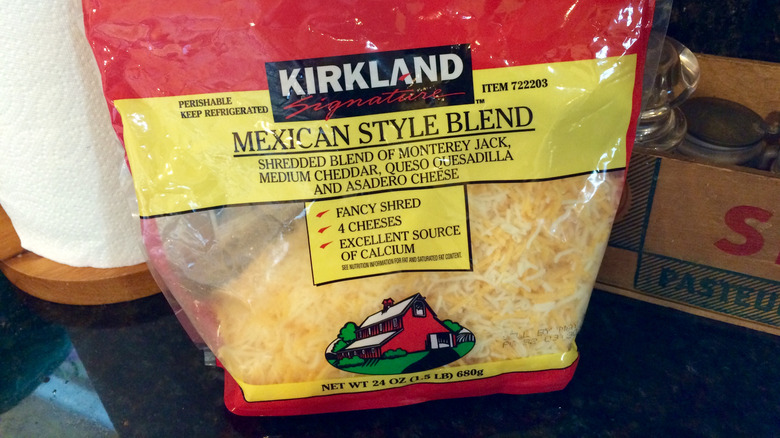
Yes, those resealable bags of pre-shredded cheese are super convenient. But they're seriously pricy compared to whole chunks of cheese. In addition, these handy bags rarely contain the best cheese. Instead, they're a convenient way for producers and retailers to make use of so-so stuff — just shred up whatever's left over, put it in bags, and call it taco cheese or pizza cheese.
While pre-shredded cheese can save some time, it's not enough to justify the added cost and diminished quality — it really doesn't take that much time to shred enough cheese for a plate of nachos. In addition, pre-shredded cheese isn't as versatile as you might think. For instance, if you plan to use those shreds in any preparation in which you want them to melt completely (such as mac and cheese or homemade cheese sauce), good luck –- shredded cheese comes coated in edible cellulose or potato starch to prevent caking, and this also impedes even melting.
6. White Stilton with fruit
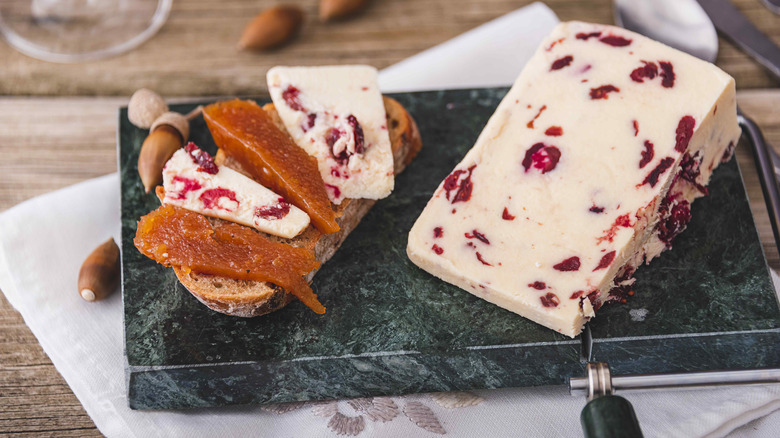
When most casual cheese lovers think of Stilton, they think of blue cheese, rather than white cheese. And this is understandable. Blue Stilton, a classic English cow's milk cheese, is better known than white Stilton. But despite their shared name and British roots, the two cheese are dramatically different. Like other blue cheeses, Stilton gets its bold, funky flavor from mold. Before they start their aging process, cheeses are inoculated with a beneficial mold that provides the signature blue cheese aroma, flavor, and, distinctive blue veins. White Stilton, in contrast, is a fresh cheese with a short aging period and no mold inoculation.
As a result, white Stilton has a milder flavor and more crumbly texture than blue Stilton. Because of its subdued flavor, cheesemakers often try to liven it up with the addition of dried fruit, such as apples, pears, or apricots. But while dried fruit and cheese are a classic pairing, fruited white Stilton is a turnoff for some cheese lovers. Of the apricot Stilton, one Redditor said, "I hate that one extra much. Tastes like something sweetened that shouldn't be sweet plus a suppressed cough. You can have my share!" So if you're looking for a special cheese to share at a party, skip this one unless you know for sure that you and your friends will enjoy it.
7. Roquefort
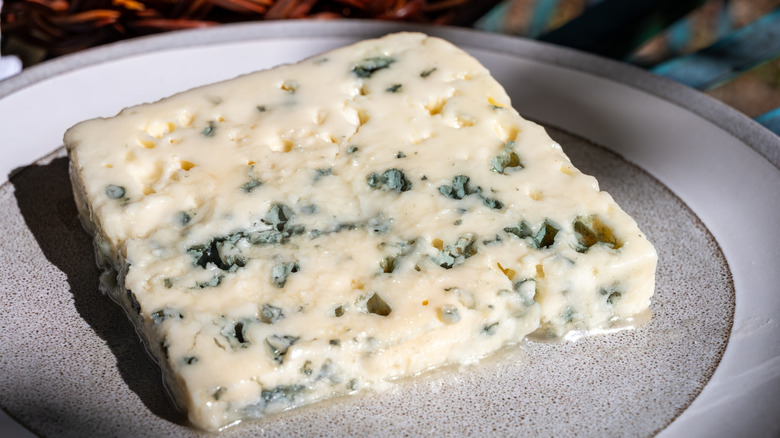
Roquefort is a blue-cheese lover's blue cheese. It has ancient roots – early writings about it date back as far as 79 AD. And its taste brings to mind something ancient and primeval as well. Salty, gamy, and funky, this traditional French sheep's milk cheese doesn't pull any punches — even before you taste it, its aroma tells you it has a big personality. It also has a big price tag: Real French Roquefort can cost around $34 per pound. A reason for this is the only cheese that can call itself authentic Roquefort must be made in the town of Roquefort-sur-Soulzon, France. This limitation, plus the meticulous work that goes into its production, means only limited amounts of Roquefort can be made. Thus, scarcity drives Roquefort's prices up.
If you're a hardcore cheese geek who loves funky cheeses, the high price may be worth it. If all you want is decent blue cheese to snack on or put in salads, it might not be the best use of your food budget, especially if you plan to buy it in a supermarket rather than a specialized cheese shop. First, what you're most likely to find in a supermarket is not real Roquefort, but domestic Roquefort-style cheese. (This isn't necessarily bad; it's just not the same thing.) And if you do find the real stuff, it might not be kept in the best conditions – the bright lighting and shrink-wrapped plastic wrapping typical of supermarket cheeses can compromise the quality of a special cheese.
8. Gjetost
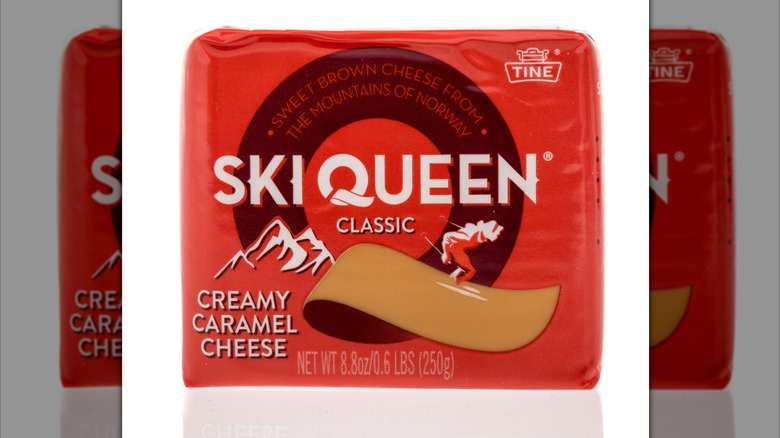
A beloved staple in Norway, gjetost is a bit of an odd duck in the cheese world. Unlike typical cheeses, in which heated milk is mixed with rennet, acid, or cultures to produce solid curds, gjetost is made from whey (sometimes with a bit of cream added), which is simply boiled down until it thickens and the milk sugars caramelize, giving the mixture a brown color. This gives it a fudgy rather than bouncy or crumbly texture, as well as a distinctively sweet taste.
All of this makes gjetost an acquired taste, even for serious cheese lovers. In American supermarkets, the easiest variety to find is the Ski Queen brand, which is made with half cow's milk and half goat's milk. (An all-goats' milk variant, ekte gjetost, is less cloyingly sweet, but harder to find in U.S. grocery stores.) Norwegians love gjetost for breakfast, shaved thin with a cheese plane and laid over flatbread or toast. But it's not a cheese for your evening cocktail hour -– it has little aroma, and as cheese critic Janet Fletcher notes, there's not a wine in the world that would match well with it.
9. Caciocavallo Podolico
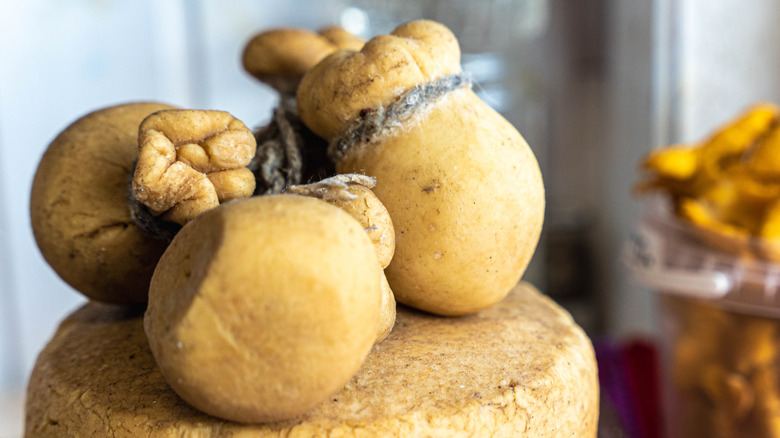
You're unlikely to find caciocavallo podolico in a typical American supermarket, but if you do see it, you'll remember it. This rustic Italian cheese has a memorable shape, like a fat, tear-shaped gourd with a topknot. This shape reflects how the cheese is made: Skilled cheesemakers hand-shape the drained and stretched curds into big, gourd-like shapes, attach rope around their topknots, and hang them in pairs over a suspended beam (colloquially called a horse) to age. This is why the cheese's Italian name translates as horse cheese — so in case you were wondering: No, there's no horse milk involved.
But the cow's milk used in caciocavallo podolico isn't ordinary milk. It comes uniquely from the milk of Podolica cows, an ancient and rare breed. This automatically limits how much cheese can be made, so any caciocavallo podolico you do manage to find will be pricy — in some cases, over $50 per pound. Is it worth it? Some long-aged versions are deeply flavorful and have won critical acclaim. Younger cheeses are smoother and milder, a bit like mozzarella, and are good matches for prosciutto and fig preserves. But so are plenty of other more affordable and easy-to-find cheeses, so if your budget's a concern, try grana Padano or a good provolone instead.