

Protect Your Herbs From Cold Winters With A Simple And Clever Solution
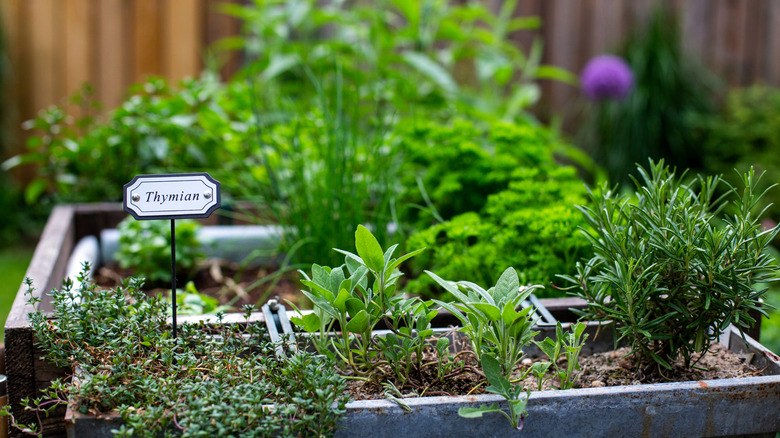
Cold weather can do a number on your backyard herb gardens. All those perennial green leafy herbs used to make basil pesto or blackberry mint lemonade go into a state of rest as winter's cool fingers start to chill the earth, and freeze-thaw cycles become the norm. You need to protect these plants during this time so they will come back strong in the spring. One way to do this is to cover them with a blanket of mulch. It will not only serve as insulation, but mulch can add nutrients to the soil, retain moisture, and keep some weeds at bay.
However, timing is key when spreading a layer of mulch over your herbs leading into the winter months. If you do it too soon, your herbs may remain warm longer than they should, prolonging their ability to go dormant, and in turn, causing significant damage to the plant. You want to wait until after there have been a couple of rounds of frost, generally around the time the temperature drops below 25 degrees Fahrenheit. This will lock in the cooler temperature while ensuring it doesn't prematurely thaw during those one-off slightly warmer days.
How much to use and when to remove
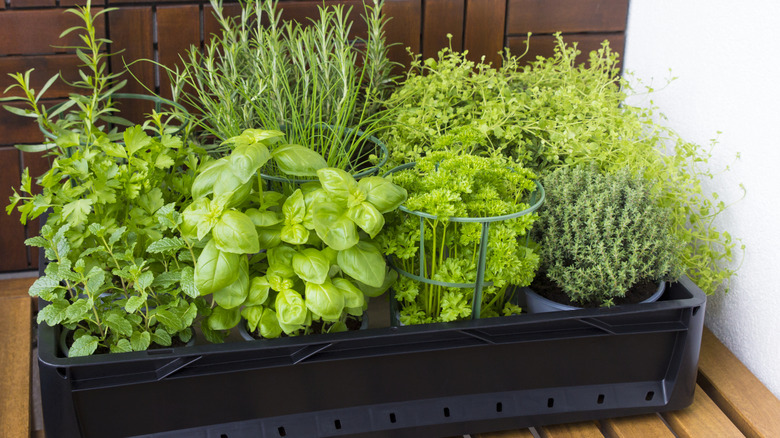
You will want to apply anywhere from 2 to 6 inches of shredded leaves, pine needles, or bark to create the insulary layer the roots need and a stable environment for those fresh herbs you love to pair with steaks. This means less fluctuation in temperature and stress on the roots, which means when spring arrives, your fennel, mint, thyme, sage, and chives will have new shoots popping through. That said, placing too thick a layer of mulch in your herb bed can lead to pests, rot, or mold.
If you do add a layer of mulch, knowing when to remove it is equally important. You do not want to disturb it too soon. Wait until the last frost has occurred and the soil has warmed up. Some herbs do better than others in the winter. Rosemary and lemon verbena are two such plants, and they may require being cut back to survive the cold. Additionally, delicate herbs like basil and parsley cannot withstand frosty weather. Keep these plants indoors if you want to grow them during the cooler months.