

3 Downsides Of Using Vintage China
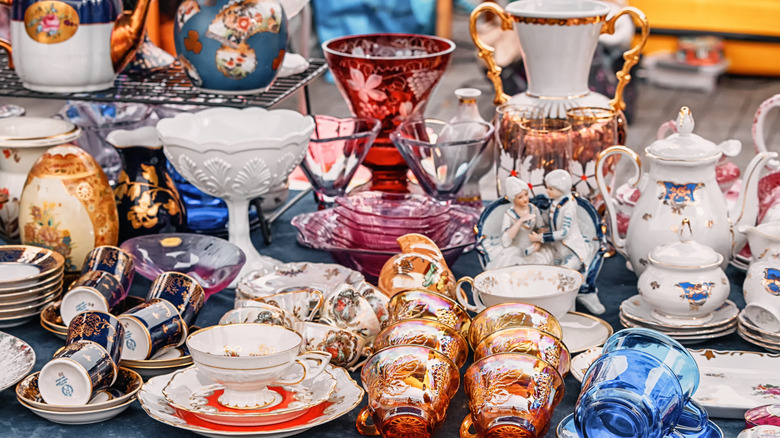
There's nothing like laying your table with a set of vintage china to lend dinner parties and holiday events a touch of charm and sophistication. While neutral dinner plates and teacups are practical for daily use, patterned crockery with intricate design work, motifs, and a mix of colors has a winsome character that elevates a tablescape in seconds. Moreover, showcasing your inherited pieces is an incredible way to honor your family's history and spark conversation over a pot roast or wedge of homemade apple pie. That said, there are a few downsides to using vintage china that are worth considering before you liberate your classic dinnerware from the display cabinet for your next soiree.
Whether your vintage china has been passed down through your family for generations or artfully thrifted from your favorite secondhand stores, they share the same drawbacks. And these negatives are related to their age, provenance, and the materials originally used to produce them. Today's crockery is manufactured to be hardwearing, dishwasher-safe, and microwave-friendly simply for the sake of modern convenience. However, vintage china was produced in a different time period, which dictates how it should be used and cared for.
It's delicate and must be treated gently
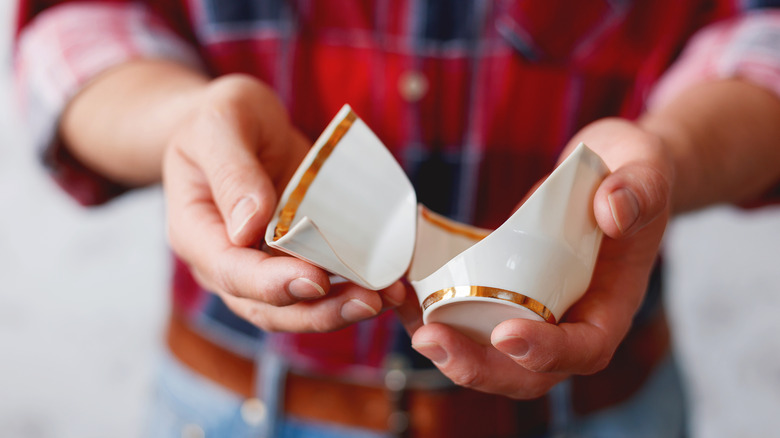
One of the prized features of vintage china is its delicate structure and almost translucent surface, which lends it an elegant character. For instance, vintage bone china, which is made from china clay, stone, and bone ash that's mixed with porcelain clay before it's fired, has a milky tone to it that sets it apart from other varieties of classic crockery. The 250-year-old English dishware brand Spode gave this variety of china its distinctive moniker and it still makes crockery today, but you can source older vintage pieces in thrift stores. The thin structure of vintage china, including varieties made of porcelain, means it needs to be handled with care so it doesn't crack or chip when handled roughly. Over time, the finish can become more prone to scratching too, which is why some collectors use tools like plate separators to stack them. If any items develop hairline cracks or chips and you continue to use them, bacteria can get lodged in the fissures and contaminate your food. As vintage china is extremely difficult to replace and has to be rooted from thrift stores and online marketplaces, you won't be able to purchase any new pieces to oust the damaged ones without some considered bargain hunting. This is one of the reasons why vintage china that's been passed down as a family heirloom often gets holed up in display cabinets and is only brought out for special occasions.
It's best off hand-washed
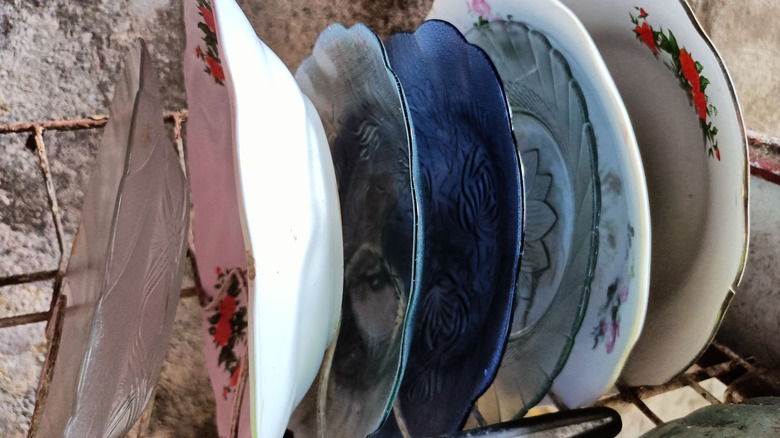
The delicate personality of vintage china also means it's best hand-washed rather than placed in the dishwasher so it can be spot-cleaned and handled gently. This can be a real bummer if you've used an entire set to serve a fancy meal to several dinner guests, but it means you'll be able to maintain the integrity of the fluted and fine edges of your dinner plates and reduce the risk of damage. Some vintage china sets can also include a rim made of gold or platinum, which can wear away if repeatedly exposed to the high heat temperatures of a standard dishwasher, so it's best practice to hand wash them. These pieces of crockery were designed and manufactured well before the advent of the dishwasher, and the metallic accents and transfers cannot withstand the aggressive cycles (and abrasive powders) of modern appliances. The dishwasher can also subdue their vibrancy and negatively affect the glaze, so if you want to honor the craftsmanship of your china and maximize its lifespan, you'll sadly need to don some rubber gloves and soap them up at the sink. This is particularly true for inherited pieces that have sentimental value.
It can contain lead
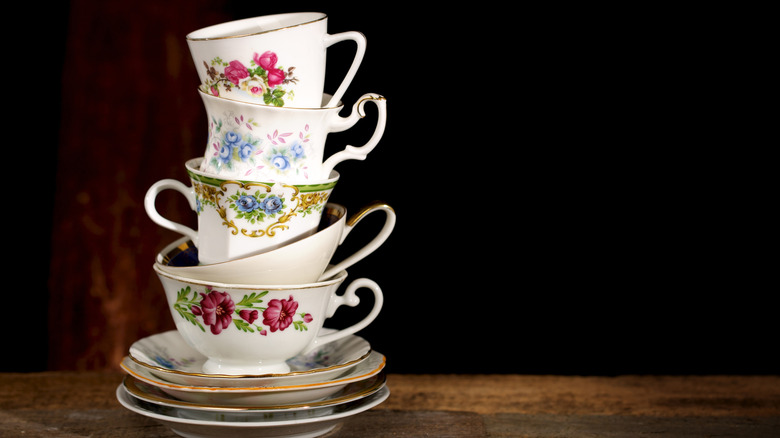
Vintage china is beloved for its pretty patterns and eye-catching motifs. However, these features were often created using glazes and paints that contained lead. This material was used to give ceramic glazes a glossy appearance and smooth finish. They also ensured the detailing and colors were brighter and maximized their longevity. The problem is that lead can leach into the food served on vintage china and cause lead poisoning, which includes symptoms like high blood pressure and abdominal pain. Some rare Lenox china patterns have been found to contain lead in addition to other crockery brands made before 1971, so you need to be mindful of when they were produced as a safeguard. Vintage china featuring designs that were painted over rather than under the glaze can also contain lead.
If you're unsure whether your collection has any pieces that could contain lead, you can use an at-home lead testing kit, which involves swabbing the surface and checking for color changes. Those that do contain lead should not be used to serve food and drinks. However, you can continue to use them as decorative pieces in your home to showcase their heritage designs. Vintage china that has been stamped and made after 1971 when lead regulations were tightened up may still be safe to eat on, but steer clear of using any chipped, broken, or worn pieces. While these small imperfections can lend these pieces a touch more charm, they can still act as thoroughfares for small measures of lead.