

5 Disadvantages Of Using A Handheld Mixer
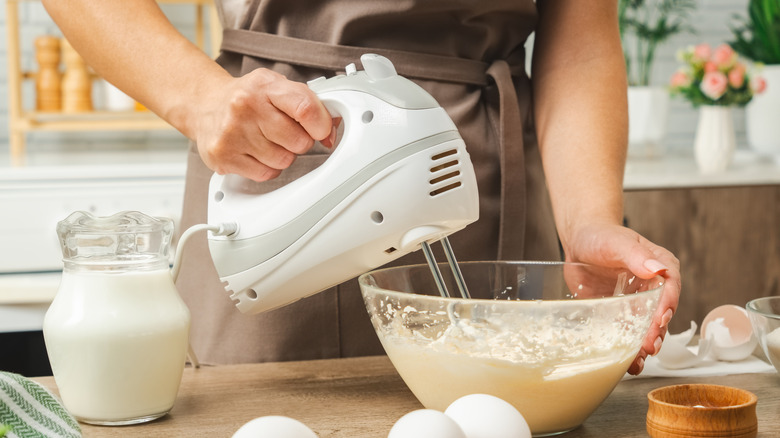
Not every home baker has the counter space — or the budget — for a stand mixer, which makes a handheld mixer a tempting alternative. A hand mixer takes up little cabinet space, is easy to use, and is useful for baking tasks like whipping heavy cream, beating eggs, and mixing cake batter, especially when you don't want to spend time mixing with a whisk. Plus, you can use any appropriately sized bowl, rather than relying on a stand mixer's bowl and having to wash it between steps of a recipe just to use it again.
Despite their convenience, handheld mixers have some drawbacks, too. While they can accomplish many of the same tasks as a stand mixer, a hand mixer isn't always a great stand-in. Differences in size, power, design, and functionality can affect everything from how much effort you need to put into a recipe to how evenly (or not) your ingredients are mixed.
For occasional baking or a small-batch recipe, you probably don't need a stand mixer. But if you've developed a love for sourdough baking, frequently prepare larger batches, or spend a lot of time in the kitchen, the limitations of handheld mixers might start to make baking more of a chore than an enjoyable hobby.
They can struggle with heavy dough and large batches
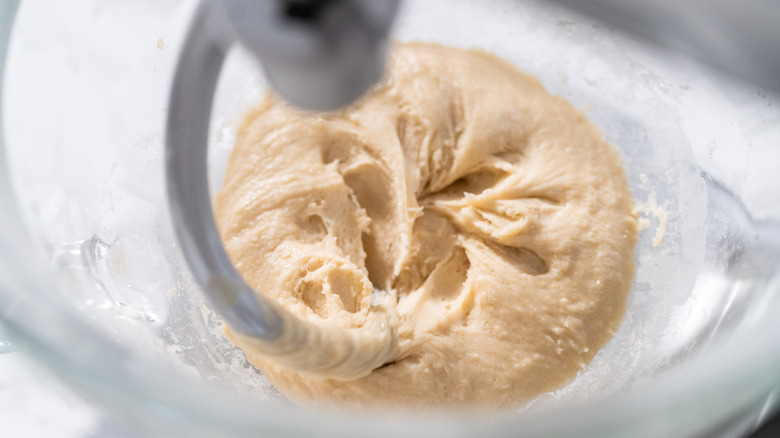
Handheld mixers work well for lighter mixtures like cake batter, whipped cream, and frosting, but larger batches can be more challenging. Even if the ingredients aren't particularly thick, mixing a large quantity at once can make it harder to move the beaters through everything evenly. You may need to stop more often to scrape down the bowl or divide the recipe into smaller batches, adding extra time and even more dishes to wash. And when you're working with thick mixtures or tough dough, a handheld mixer can struggle even more.
DIY pizza night can be a great way to spend time in the kitchen, and it starts with making the pizza dough. Unlike cake batter, which is relatively fluid and easy for a mixer's beaters to move through, pizza dough is thicker and becomes more elastic as gluten develops during kneading. This extra resistance puts more strain on the mixer's motor. Some handheld mixers come with dough hooks, but this doesn't necessarily mean they should be used for prolonged kneading or stiff doughs.
Stand mixers, though, are generally better able to knead thicker doughs or large batches for longer periods of time. Their stability on the counter and dedicated dough hooks make it easier to knead without supporting the mixer yourself. If homemade pizza night is a Friday night tradition, you're doubling or tripling cookie recipes, or you're determined to perfect your sourdough loaf, a handheld mixer might leave you doing more of the work by hand than you expected.
Your arms might get tired before you're done mixing
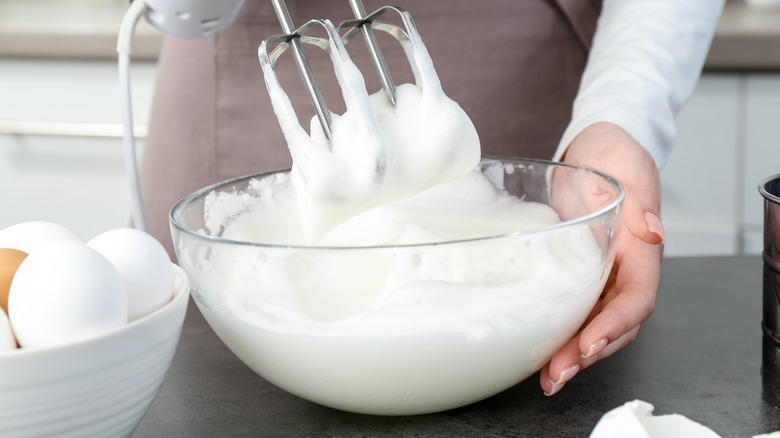
A handheld mixer might save you the effort of whisking ingredients by hand, but that doesn't mean your arms won't feel like they've gone through a workout. You still need to hold the mixer, move it around the bowl, and keep the beaters in contact with the ingredients. For a quick batch of pancake batter or a boxed cake mix, this can be easy enough. But recipes that require more time will also need more arm strength, and you might need a break before the mixing is done.
For recipes like meringue, which require several minutes of beating to achieve a thick, glossy mixture so that your egg whites will hold stiff peaks, your arms may start to feel tired before you reach that point. If you're making several batches or preparing a multi-step recipe, all that mixing can add up to tired arms and hands.
A lightweight mixer with a comfortable handle can help reduce this fatigue, but it won't eliminate the physical effort altogether. A stand mixer, on the other hand, stays on the counter and does the mixing for you without requiring any hands to hold it. If meringues and homemade frostings are regulars in your baking rotation, a stand mixer lets you save your arm strength for something else.
Uneven mixing can affect your baked goods
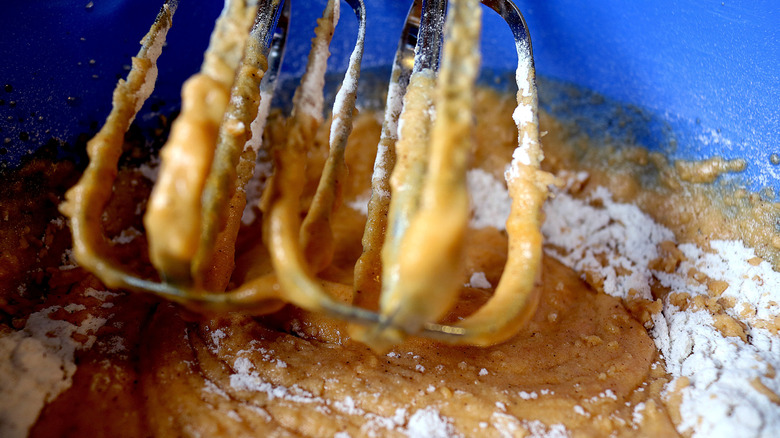
Using a handheld mixer means you're in charge of making sure every ingredient in the batter gets mixed in, and every spot in the bowl is given the same attention. Unlike a stand mixer, which moves its attachment through the bowl in a consistent pattern, a handheld mixer relies on the baker to guide the beaters around the ingredients. If you spend too much time mixing in the center of the bowl, pockets of flour or other ingredients might get left behind along the sides or bottom, resulting in an uneven batter.
Uneven mixing and overmixing can both affect how your baked goods turn out. If flour isn't fully incorporated into a cake batter, the finished cake could have dry, floury spots, which won't exactly give you the moist cake you hoped for. Similarly, if butter and sugar aren't creamed evenly, the texture of your cookies could be inconsistent. While you're trying to mix those pockets of dry ingredients into the mixture, the rest of the batter could end up overmixed. This can lead to a tougher, denser texture in cakes and muffins, instead of the tender crumb you were aiming for.
Stand mixers aren't immune to uneven mixing, and you'll still need to stop and scrape the bowl occasionally. But with a handheld mixer, you'll need to pay closer attention to ingredients collecting along the sides and bottom of the bowl, moving the beaters around to make sure nothing gets missed.
Fewer attachments limit what a hand mixer can do
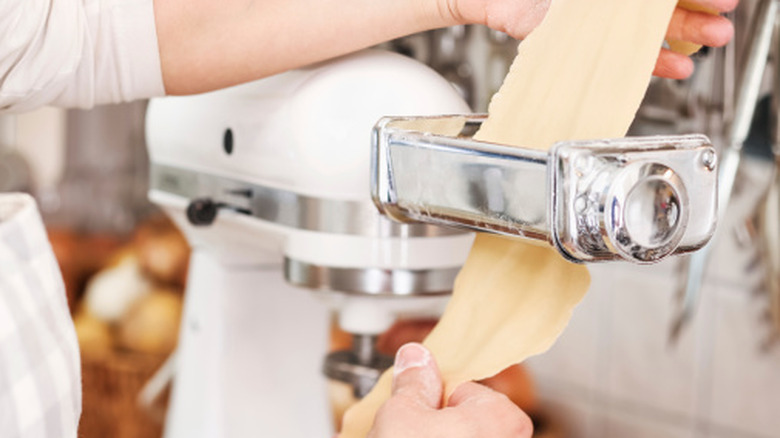
Maybe you watched a chef make fresh pasta on Food Network or came across a recipe that inspired you to try something new in the kitchen. Having the right equipment can make trying a new recipe that much easier, and a handheld mixer might leave you wanting, or needing, more. If you're hoping to use your mixer for more than basic baking tasks, its limited attachment options could be a problem.
Stand mixers typically come with several attachments like a flat beater, whisk, and dough hook, giving a baker different tools for creaming together butter and sugar, whipping egg whites, and kneading doughs like pizza dough. But depending on the brand and model, the possibilities go beyond those more basic baking tasks. KitchenAid, for example, has attachments for a range of kitchen tasks, from rolling out homemade pasta to grinding meat to spiralizing vegetables. If you've been wanting to try making homemade ravioli without tiring out your arms with a rolling pin, or grinding your own meat for burger night, you won't be able to use your handheld mixer.
Of course, these specialty attachments are generally sold separately, and not every stand mixer is made to fit them. If you mostly bake cakes, brownies, and cookies, you might never have wanted those attachments anyway. But if you enjoy experimenting with new recipes and kitchen projects, a handheld mixer's limited attachments could mean buying another appliance — or realizing that some recipes are beyond what your mixer can do.
Handheld mixers don't leave your hands free to multitask
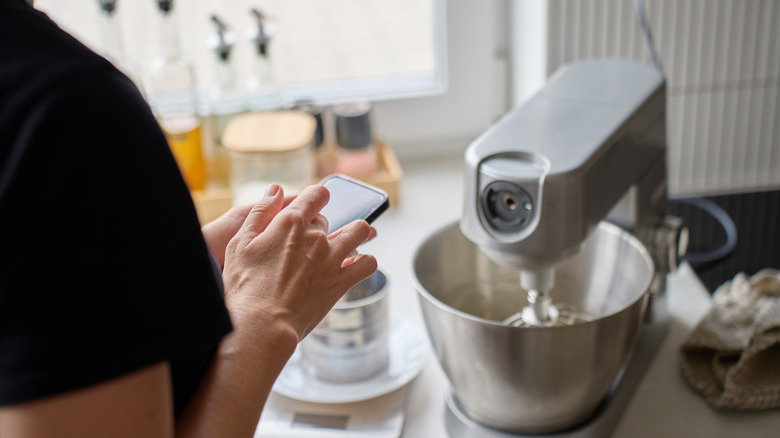
Baking a layer cake from scratch, especially an elaborate cake with a lot of layers, can make your kitchen look like a small bakery, with cake pans, bowls of ingredients, and other supplies taking over the counter. There are plenty of steps to juggle, and a handheld mixer doesn't make multitasking any easier. Unlike a stand mixer, which can keep mixing while you work on another part of the recipe, a handheld mixer requires you to stay literally hands-on throughout the mixing process.
Say you're creaming butter and sugar for a cake, but you forgot to grease the pans or measure out the flour, or you need to double-check the amount of an ingredient in the recipe. With a handheld mixer, you'll have to stop mixing, set it down, and finish those steps before you can resume mixing. Since one hand is holding the mixer while the other hand is keeping the bowl steady (and saving your walls from splashes of ingredients), there's little opportunity to get ahead on the next part of a recipe.
A stand mixer is like a baking sidekick, freeing up your hands to complete those small — but important — jobs while the ingredients continue mixing in the bowl. Yes, you still need to keep an eye on the appliance, check the mixture, and scrape down the bowl when necessary. But with a handheld mixer, your counter covered in flour or those dishes in the sink will have to wait until you're done mixing.