

12 Coffee Cocktails Worth Trying At Least Once
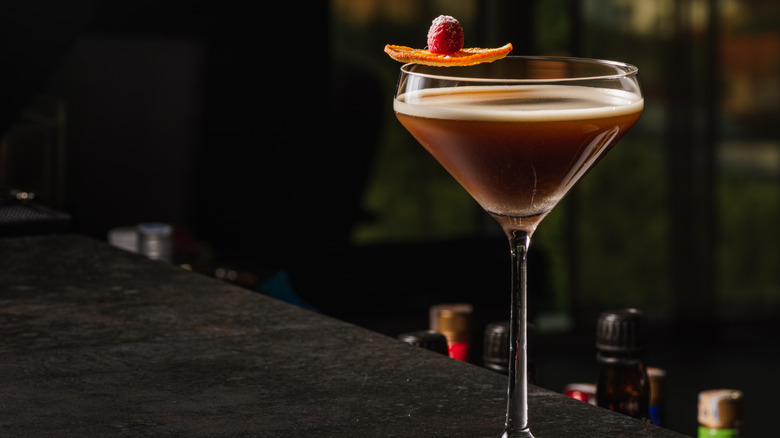
The espresso martini is just one of many well liked coffee cocktails. You can find it on cocktail menus from brunch to happy hour to the after-dinner drink list. It's currently one of the 10 most ordered cocktails in the United States. With the resurgence of the espresso martini and coffee liqueurs, other coffee cocktails have also risen in prominence. After all, people have been drinking coffee with alcohol for more than 200 years.
An espresso martini is a great pick-me-up, combining caffeine and alcohol in one drink that balances the bitterness of coffee with sweetness. But even if this particular cocktail isn't to your taste, there are many other coffee cocktails with interesting flavor profiles. In Mexico, the coffee drink of choice is the carajillo, while in New Orleans the tradition is the flaming café brûlot. Those looking for more spirit-forward cocktails can opt for the cold brew Negroni. Here are 12 coffee cocktails you should try at least once.
Espresso martini
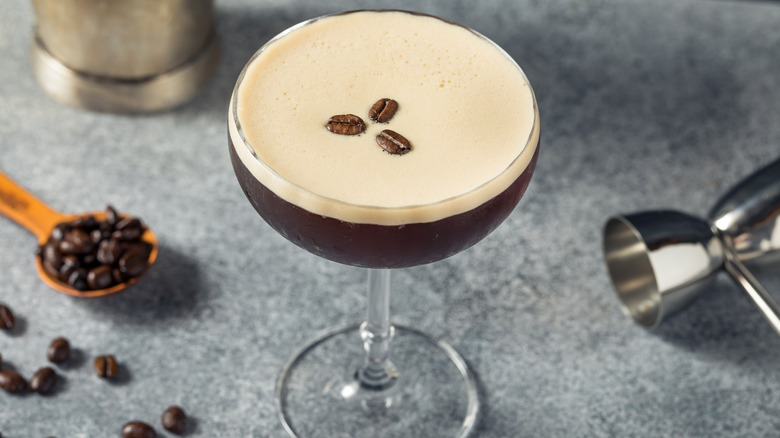
The espresso martini was first created by a bartender named Dick Bradsell at London's Soho Brasserie in the mid-1980s. The cocktail was a little different back then. It used to be served on the rocks and was called the vodka espresso. Bradsell perfected the cocktail over the years and it eventually became the espresso martini as we know it today.
Somewhere in the 2000s, people largely stopped drinking espresso martini as the trend shifted back toward classic cocktails like Old Fashioneds. Yet somehow the drink came back from the grave and it became more in-demand than ever. Some attribute the resurgence to the rise of coffee culture in the U.S. and new artisanal coffee liqueurs in the market.
The cocktail is made by shaking vodka, coffee liqueur, espresso, and simple syrup. You typically see it with a layer of froth or foam on top, which is achieved by shaking the mixture vigorously with ice. There are some variations to the recipe, of course, including adding heavy cream or substituting the vodka with whiskey or other spirits.
Carajillo
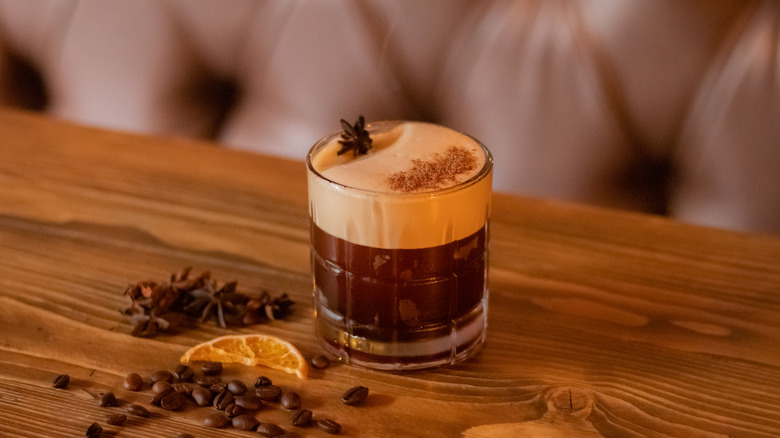
Carajillo is a fairly simple drink, made with espresso and a citrusy liqueur called Licor 43 produced in Spain. The two ingredients are shaken with ice so that it becomes frothy. While the carajillo has gained traction in the United States only recently (at the time of this published article), it has already been extremely popular in Latin America.
The origin of the carajillo is a bit murky. We know that the name came from the Spanish word for courage, "coraje." But in Spain, a carajillo is made using coffee and brandy — the version we're familiar uses Licor 43 and became extremely popular in Mexico in the 2000s.The drink eventually made its way across the border. Many guests like carajillo as an alternative to espresso martini since it's not as heavy. The cocktail has become popular enough that you can now find carajillo or variations of it on bar menus around the country.
Irish coffee
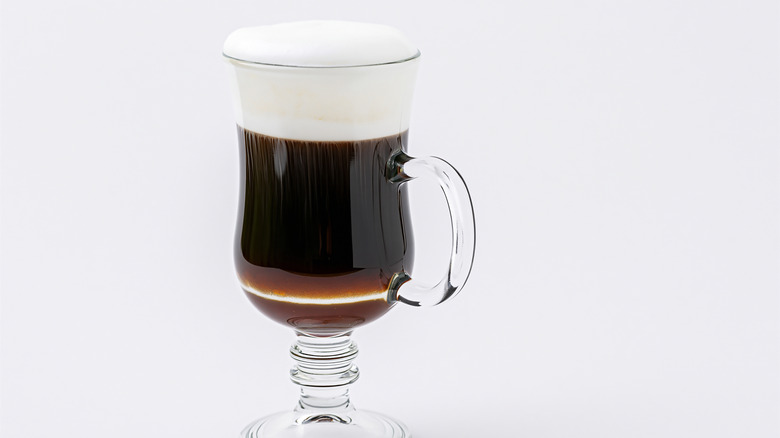
Irish coffee is a hot drink invented during a stormy night in a small town in Ireland in 1943. The cocktail was created by Joe Sheridan and is made with hot coffee, Irish whiskey, and topped with whipped cream and did its job warming up the guests. While the drink was popular in that small town, it wasn't until a travel writer from San Francisco tasted it while he was traveling that the cocktail made its way to the United States. The writer, Stanton Delaplane, convinced the owner of Buena Vista Cafe in San Francisco to perfect the recipe and serve it.
It turned out that the key to perfecting this drink was the whipped cream. To get the true taste of this drink, it's important you try it with real whipped cream instead of the canned ones. Many agree that one of the best versions of Irish Coffee out there is served at Dead Rabbit in New York City.
Café brûlot
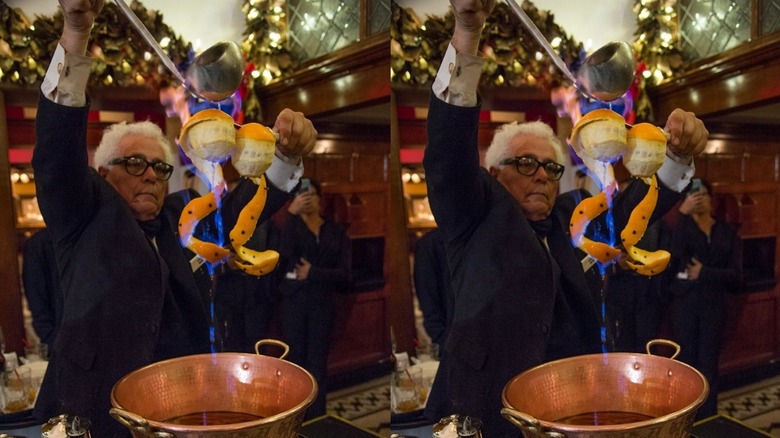
This cocktail is complicated to make at home, and it's a hard one to find even at restaurants and bars ... with the exception of New Orleans. Café brûlot is quite the spectacle. The drink is made by pouring flaming brandy and curaçao (or other liqueur) over a spiraling orange peel studded with cloves into a copper bowl. Hot coffee and sugar is then added into the bowl when the flames have died down. The recipe also typically calls for other spices like cinnamon.
The origin of the cocktail is slightly murky, but it's generally accepted that the drink as we know it today was first made by Jules Alciatore at Antoine's in New Orleans in 1840. You can still try the drink at Antoine's, where it's called café brulot diabolique on the menu, or at Arnaud's and other Creole fine dining restaurants in New Orleans.
Black Russian
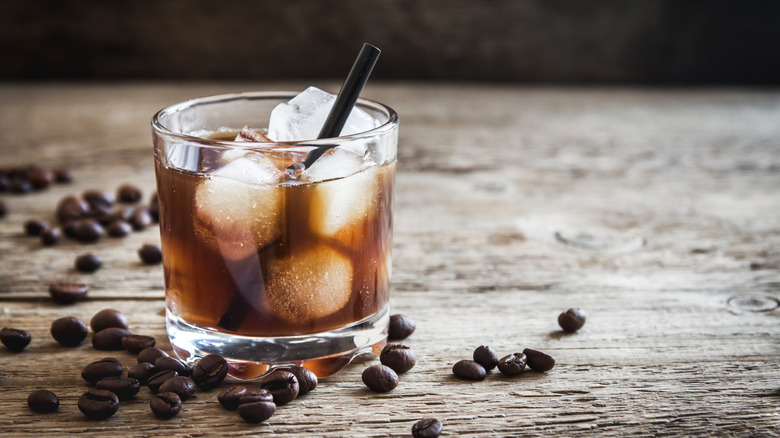
They call this drink the big brother of white Russian, as it's a similar drink without the dairy. The black Russian is a drink you probably already know and might have tried before, as it's one of the simplest coffee cocktails to make. The recipe requires only vodka and coffee liqueur like Kahlúa. Both are ingredients you can keep handy in your bar. The original recipe called for Kahlúa as it was the first commercial coffee liqueur brand (launched in Mexico in 1936).
You can make a black Russian at home whenever you're craving a coffee cocktail without the need to brew fresh coffee. Despite the name, the cocktail was first created in 1949 by a bartender at Hotel Metropole in Brussels. The name, of course, actually refers to the dark color of the drink and the fact that vodka has strong connections to Russia.
White Russian
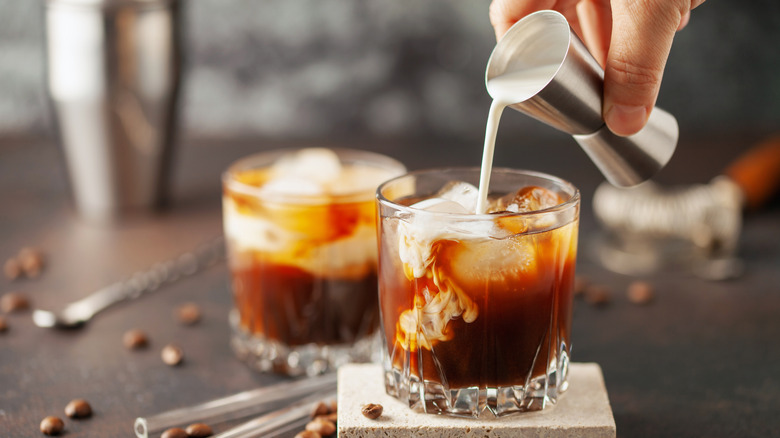
Before the espresso martini, the white Russian was probably the most famous coffee cocktail. It was popularized by the 1998 movie "The Big Lebowski" in which Jeff Bridges' character drank plenty of this cocktail.
In case you weren't already familiar, the white Russian is a dessert-like cocktail that is a variation on the black Russian. Like the black Russian, the white Russian is also made with vodka and coffee liqueur like Kahlúa, but it also adds heavy cream or milk, hence the "white" in the name of this drink. Sweet and creamy, the white Russian is certainly easy to drink.
It's not clear when people started adding dairy to a black Russian, but the recipe for the white Russian first appeared in print in 1961. While originally the recipe calls for adding cream to a black Russian, the frozen blended version of the cocktail is arguably even more popular.
Espresso martiki
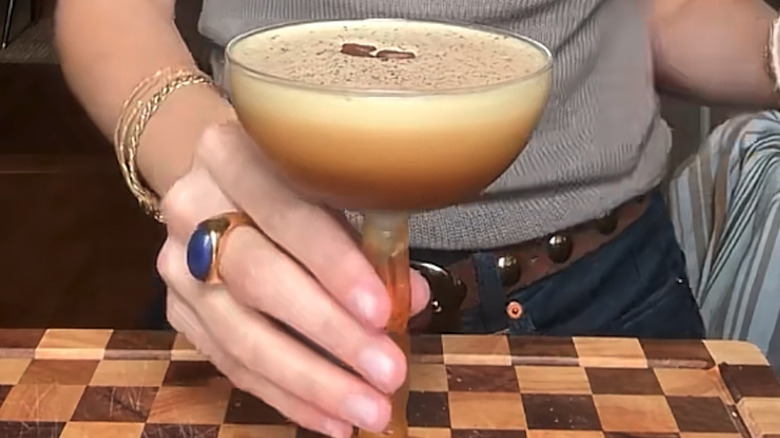
A tropical twist on the espresso martini, the espresso martiki was created by bartender Martin Hudak at Maybe Sammy in Sydney, Australia. The bar has made it on The World's 50 Best Bars list in the past, so the bartenders know what they're doing. Maybe Sammy opened in January 2019, but Hudak actually created the cocktail before that. Hudak served the dink at a coffee cocktail event in Tokyo in 2017.
The "tiki" part of the name gives nod to the tropical components of this drink. The recipe for espresso martiki calls for combining espresso with pineapple rum, pineapple juice, coffee liqueur, and orgeat. You might think pineapple and coffee would be strange together, but people who have tried this cocktail will attest that the combination works quite nicely. Naturally, the cocktail is served at Maybe Sammy but you can also find it pop up at cocktail bars in the United States, like Uncle Nicky's in Austin.
Bushwacker
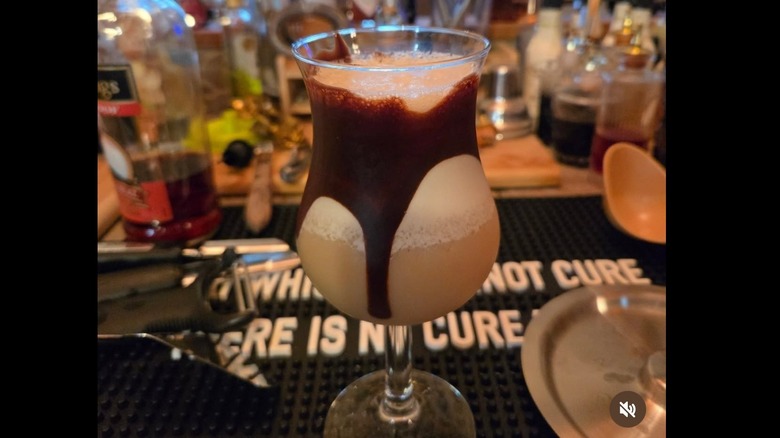
If you like boozy milkshakes (who doesn't, really?) then you would probably want to try the Bushwacker. This cocktail combines dark rum, coffee liqueur, creme de cacao, coconut cream, and milk. However, there are some variations to this recipe, like swapping in Bailey's Irish Cream instead of coffee liqueur.
While many drinkers on the Western part of the country may not have heard of this cocktail, Bushwacker is big in Florida. The Bushwacker cocktail was first created by bartender Angie Conigliaro in 1975 when she was working at the Ship's Store & Sapphire Pub in the U.S. Virgin Islands. The owner of the Sandshaker bar in Pensacola, Florida tasted it when she visited the pub and fell in love with the drink. She decided to serve a version of it at her bar and it became so popular that the Bushwacker is recognized as Pensacola's official drink. The tourism board even came up with the Bushwacker trail so you can try all the bars that serve this cocktail.
Affogato martini
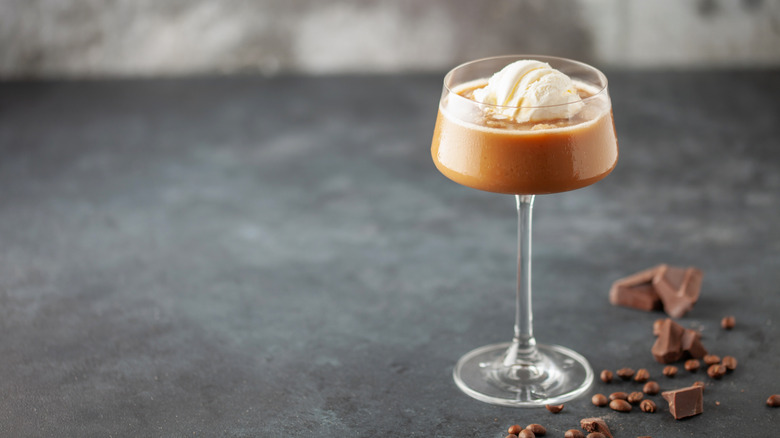
As the name suggests, the affogato martini is a variation of the espresso martini that combines it with affogato, a dessert where hot espresso is poured over ice cream or gelato. As you have probably guessed, the affogato martini is basically an espresso martini that is topped with ice cream or gelato. You can play around with any gelato flavor but the consensus is that vanilla gelato is the best gelato flavor to complement your espresso martini.
Affogato itself is an old-school Italian dessert that has become increasingly popular in the past few years as it is also a great afternoon pick-me-up. It makes sense that the two coffee-based trends, affogato and espresso martini, would eventually meet. The affogato twist takes the cocktail into the realm of dessert entirely. It's not the first time people have combined ice cream and alcohol. After all, people have loved everything from boozy milkshakes to alcohol-infused ice cream.
Cold brew Negroni
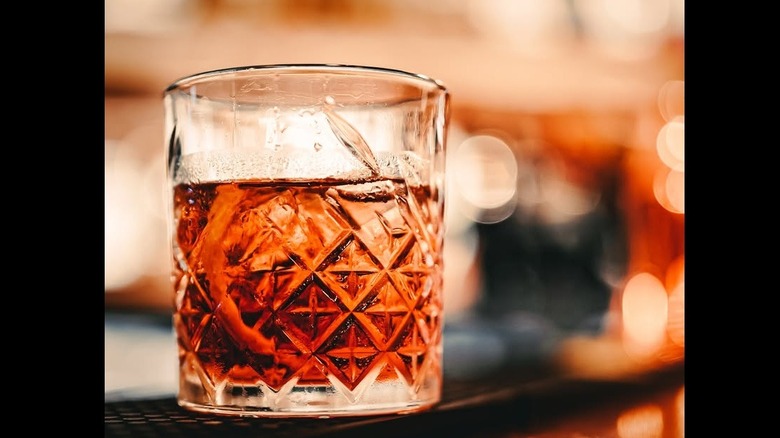
A lot of the coffee cocktails out there are on the sweeter side, and some are more suited for dessert. If you're looking for something more bitter, the cold brew Negroni is your friend.
There's no set recipe for a cold brew Negroni, but the idea is consistent, combining coffee with the recipe for a Negroni which traditionally calls for equal parts gin, Campari, and sweet vermouth. Because of the bitterness of both coffee and Campari, coffee tends to work well as an addition or substitution.
There are many ways to make cold brew Negroni that have similar effects. Some bartenders make cold brew Negroni by infusing the gin or Campari with coffee, while others substitute some of the ingredients with cold brew coffee. Some add coffee liqueur instead of cold brew coffee. Whichever method you use, people who like the bitterness of Negronis tend to enjoy this caffeinated variation.
Revolver
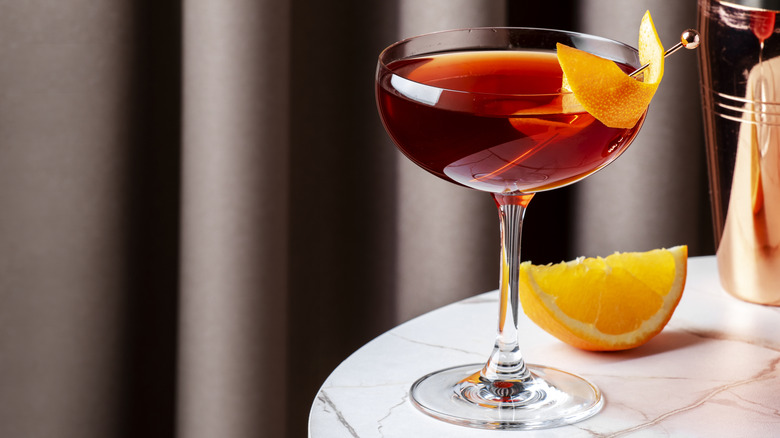
If strong whiskey-based cocktails like Manhattans is the type of cocktail you prefer, then the Revolver should be your coffee cocktail of choice. The Revolver is a variation of the classic Manhattan created by bartender Jon Santer from the legendary San Francisco bar, Bourbon and Branch.
It's a pretty simple caffeinated variation that works elegantly. A Manhattan is traditionally made with whiskey and sweet vermouth. A Revolver swaps out sweet vermouth in the Manhattan for coffee liqueur instead. The recipe calls for bourbon, coffee liqueur, and orange bitters, then garnished with a flamed orange twist.
The cocktail was first created in 2004, but it has quickly become considered as a modern classic, adopted by well-respected bars in New York City and beyond. Even if the drink is not listed on the menu, a craft cocktail bar worth its salt should be able to make this cocktail for you to try.
Café amaretto
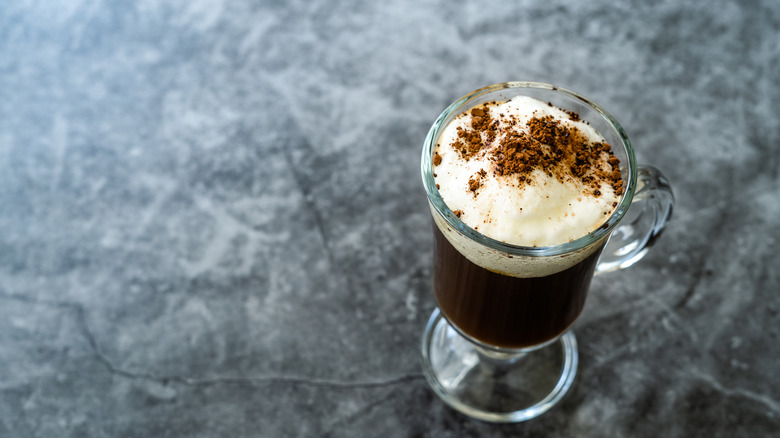
Café amaretto, or amaretto coffee, isn't quite just spiking your cup of coffee with the nutty liqueur, amaretto, although that's pretty close. The drink is served hot and is similar to Irish coffee. The café amaretto cocktail typically combines hot coffee with not just amaretto liqueur but also brandy, though some versions use cognac instead of brandy. It's also usually topped with whipped cream and sprinkled with cinnamon or nutmeg.
While amaretto liqueur itself has been around since the 16th century (it was created in Saronno, Italy in 1525), it's said that the cocktail came about because of the popularity of Irish coffee in the United States. Italian Americans were inspired by Irish coffee to add their own spin on it using their favorite liqueur. While the cocktail is not as common anymore, you can still find it on the menu at some old-school Italian spots around the country.