

Are Compostable Food Storage Containers Microwave-Safe?
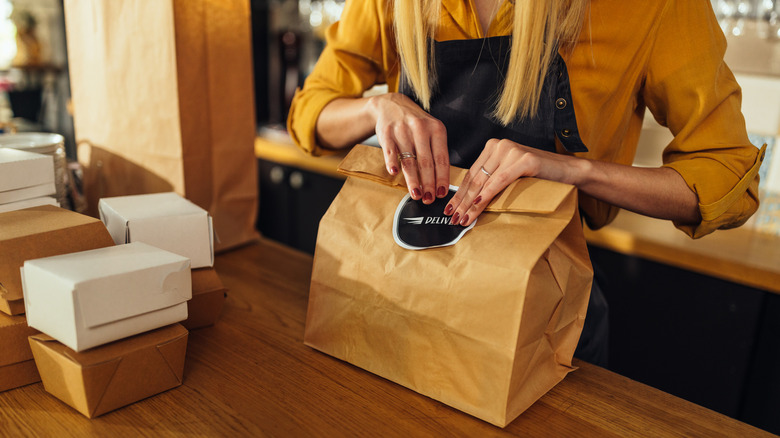
When uneaten restaurant remnants are packaged in anything other than styrofoam or plastic, many eco-centric diners today do little happy dances in their chairs. Long used for leftovers, styrofoam has been ostracized by many consumers since the extent of its environmental harm was recognized decades ago. As well, ubiquitous plastics are also being condemned as unhealthy for our bodies and our planet. Thankfully, food-storage containers, whether from a restaurant or your kitchen cabinet, come in many materials. But you might wonder if these alternative containers are microwave-safe.
Eateries across the globe are evolving their to-go containers, providing compostable paper- or plant-based options. Home containers as well are coming in a variety of alternatives including bagasse (which is made from sugarcane fiber), polylactic acid (PLA), and cornstarch. But being recyclable does not equate to microwave-safe. Each substance behaves differently under heat. When moisture in foods turns to steam in the microwave, the molecular structure of the vessel containing the food is affected. So what environmentally friendly containers can be microwaved?
The best microwave- and earth-safe containers
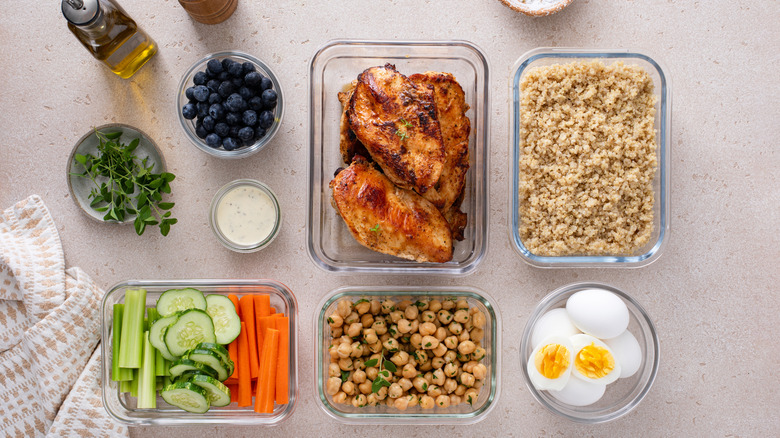
Compostable containers are the eco-heroes of the food industry today. Used for decades, plastic food-storage receptacles are by and large made from petrochemicals, byproducts from the crude oil distillation process. Two additives found in many plastic containers have captured the attention of toxicologists as hormonal disrupters though: bisphenol A (BPA) and phthalates. Tests by Consumer Reports found concerningly high levels of phthalates in a multitude of packaged foods. Enter the earth- and body-friendly alternatives.
Cardboard-like bagasse holds up to heat the best in the compostable class, withstanding temperatures up to 248 degrees Fahrenheit for short periods of 30- to 60-seconds fairly well. Cornstarch containers can tolerate moderate heat up to 190 degrees Fahrenheit for no more than two minutes before weakening. PLAs and coated or uncoated paper wrappings should not be microwaved to avoid leaking, burning, or any other present chemicals shifting to your food. Polypropolenes have been considered the safest compostable, plastic-like containers due to their lack of BPA's and heat tolerance, however recent research reported by the National Library of Medicine has found that polypropylene glycol substances have been found to migrate into foods stored within.
It's best to check for a microwave-safe mark on any container before heating it up. Three wiggly lines sometimes accompanying "microwave oven safe" means you can confidently reheat it in the magic warming machine. But to be absolutely safe, transfer your foods to a heatproof glass such as Pyrex, or glass-ceramic like CorningWare container or plate before exposing them to any heat source.