

7 Classic Foods That Were Invented In New Orleans
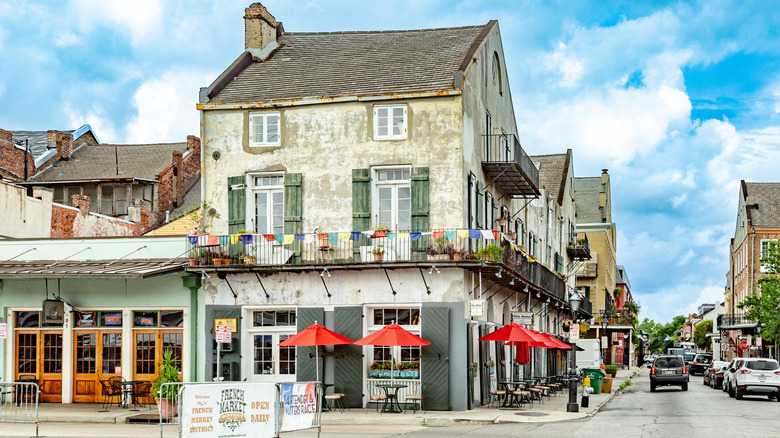
Every major city is known for something. Some leave their mark through art, some through architecture, some through history or music, but the real tell of a city's culture is its food scene. When it comes to NOLA, you get all of the above, and that depth shows in every classic dish. New Orleans cuisine is unlike any other, offering a crossroads of French, African, Spanish, Caribbean, Italian, and Indigenous influences. While everyone knows the city through its beignets, gumbo, and jambalaya, there is an array of classic dishes that were born here, putting the city, and these iconic foods, on the map.
NOLA's legacy is packed with flavor, having invented favorites such as po' boys, sno-balls, and Bananas Foster, to name a few. Let's take a look at seven classic foods that were invented in New Orleans. See which dishes you've already tried and which options should be added to your list.
1. Po' boy
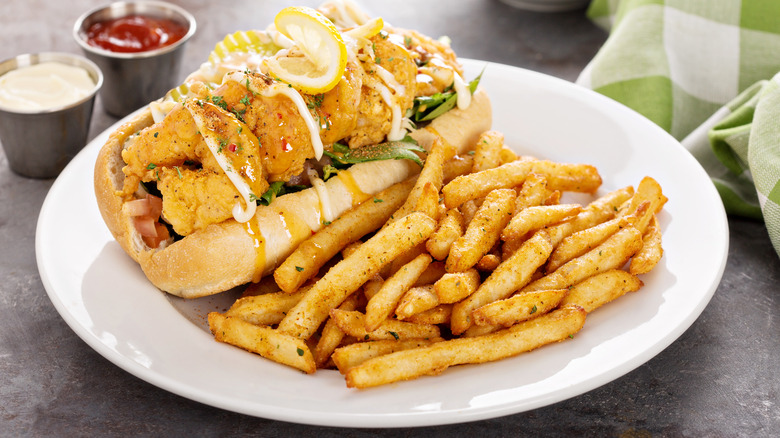
The po' boy is a tried-and-true New Orleans original that dates back to the early 1920s. This popular sandwich is traditionally made with meats like roast beef or ham, or fried seafood such as shrimp, crawfish, oysters, or crab. You'll have your choice of cheese, along with a garnish of lettuce, tomato, and dressing, nestled in New Orleans French bread.
Originally called the "poor boy sandwich," the po' boy was invented by two brothers, Bennie and Clovis Martin, who moved to New Orleans to become streetcar conductors. They left that gig and opened Martin Brothers' Coffee Stand and Restaurant in the French Market, but the connection to the streetcars remained. In 1929, the streetcar conductors went on strike, and the brothers supported the workers with free food — hence the "poor boy" name. These sandwiches were big, but the cost was low. The brothers stayed in business because of the volume they sold.
Today, you can find po' boys all over the country at a variety of shops and restaurants. While the contents may differ from place to place, the history embedded in the sandwich is forever. Next time you take a bite, think about the legacy of the original in NOLA.
2. Oysters Rockefeller
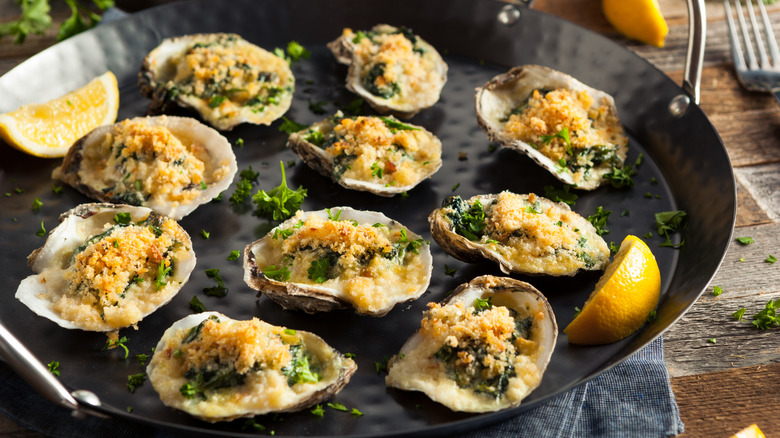
Is there a seafood dish classier than Oysters Rockefeller? The name alone elevates this iconic food, and that was exactly the point. This well-known dish was created in 1889 at the New Orleans restaurant Antoine's. And it was all due to an escargot shortage. Without snails to use, Jules Alciatore, the owner's son, reached for half-shelled oysters, topping them with a green sauce and bread crumbs — which would then be baked or broiled. That original recipe remains unchanged to this day.
So, where did the name come from? Jules chose the name Rockefeller after the then-wealthiest American, John D. Rockefeller. He wanted a label that conveyed the richness of the dish, along with the color of money.
Like the po' boy, you can find this seafood dish almost anywhere across the country with access to fresh oysters, but the recipe has evolved. Variations of the dish include adding butter, cream, and even cheese into the mix to give it more depth and bolder flavors.
3. Bananas Foster
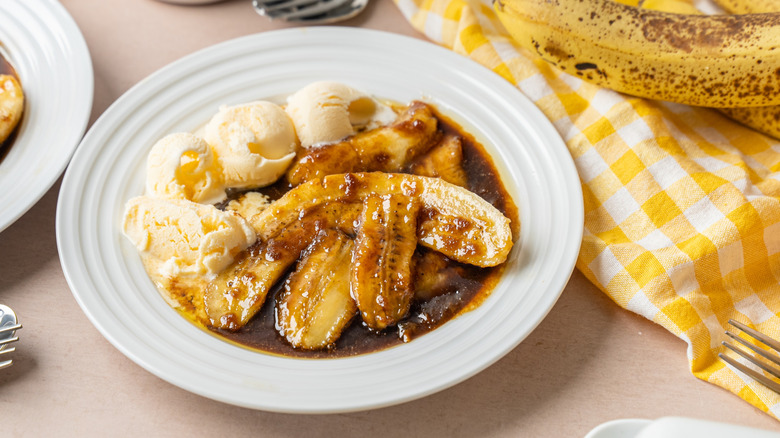
Did you know this sweet dessert was created in NOLA? Yup, that's right. Bananas Foster is another classic innovation of this epic city. Featuring bananas, butter, brown sugar, cinnamon, rum, banana liqueur, and vanilla ice cream, this one promises flavor, complexity, and a satisfied palate.
This classic dessert connects to the banana trade in NOLA. While there were an array of fruit companies in the city, there was a banana boom in the 1870s, and one local restaurant took advantage. However, the actual recipe was created out of panic.
At the time, Owen Brennan was the owner of Brennan's. One night in 1951, Owen asked his sister Ella to create a dessert in honor of the New Orleans Crime Commission chairman, Richard Foster. Cursing her brother for the task, she grabbed the bananas at hand and got to work. She mixed her mother's breakfast recipe of caramelized bananas and the concept of Baked Alaska to create this now-signature dish. Who knew such a classic innovation was created on a whim?
4. Pecan praline
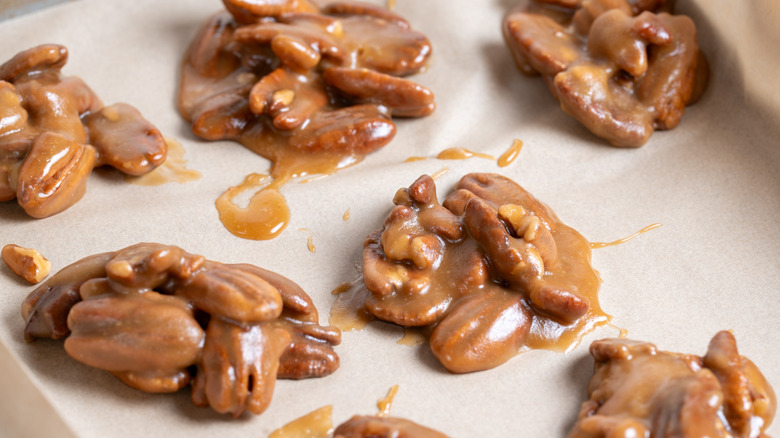
Another sweet treat invented in New Orleans was the Pecan Praline. The original praline was invented in France in the 1600s, but it made its way to the U.S. with French nuns in the 1700s. While the French version featured almonds, the NOLA version featured pecans, and the swap was invented by Black slaves working as cooks in the French colonists' kitchens. They transformed the sugared-almond praline, replacing almonds with pecans and adding milk.
To make these reimagined treats, the women used sugar (typically brown), butter, cream or buttermilk, and pecans. All you have to do is heat, mix, and drop them on wax paper. It's a pretty simple process for such a luxe candied treat.
The dessert grew in popularity in the mid 1800s, when Black women began selling these delicious treats around the city. Pecan pralines soon became the most popular item among street vendors. To this day, you'll find shops and carts filled with this classic fare, where tourists and locals alike enjoy the iconic invention.
5. Muffaletta
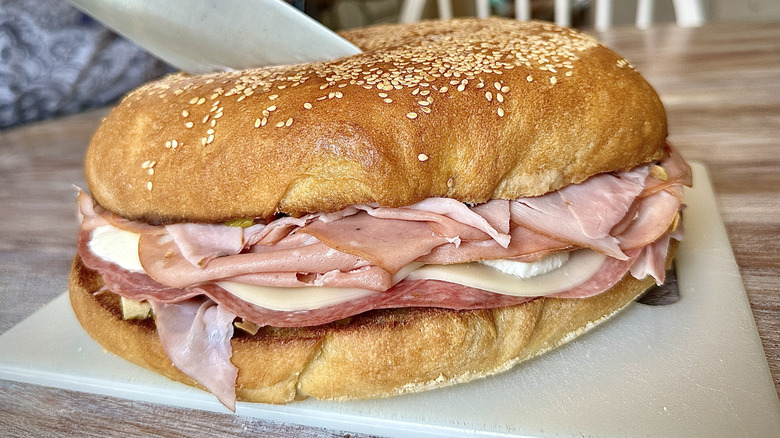
This next NOLA creation is truly one of a kind. A mix of olive salad, Genoa salami, ham, mortadella, provolone, and Swiss on large rounds of sesame bread — you won't find anything else that compares to a New Orleans muffaletta.
Sicilian immigrant Salvatore Lupo founded Central Grocery in the French Market in 1906. His shop was located in an area known as "Little Palermo," which featured ingredients and foods from his homeland. One of those foods was a traditional Sicilian loaf called the "muffuletto." The story goes that farmers on their lunch breaks would stop by the grocery and purchase a loaf of muffuletto bread, along with sliced cold cuts, olives, and cheese. Salvatore ran with the idea, putting all the items together in the form of a sandwich, making it easier to eat on the go.
You can still find this iconic sandwich today all over the state of Louisiana. One sandwich feeds many, so if you have a party to throw or a family to feed, this is a great way to celebrate NOLA without breaking the bank. And a great way to take a bite of history, too!
6. Louisiana sno-balls
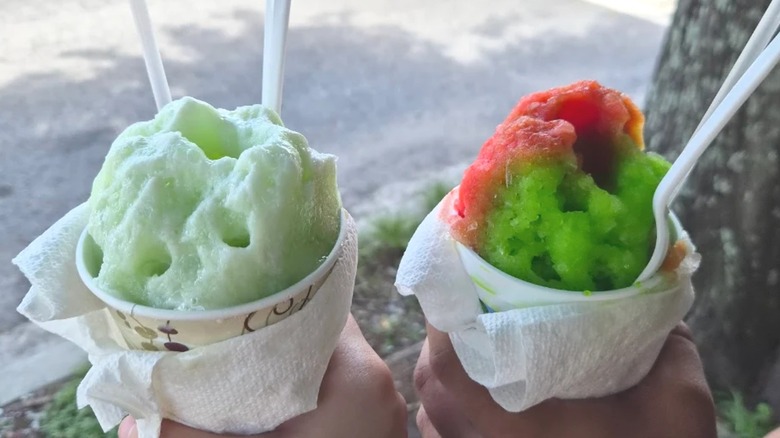
Louisiana sno-balls have been around since 1934, when Ernest Hansen built the first-ever "Sno-Bliz" — a block-ice shaving machine. In 1936, another local, George Ortolano, created his own machine, too, reinforcing the need and innovation within the city. Hot summer days call for a cool treat, and sno-balls have been scratching that itch ever since.
To be clear: sno-balls are not snow cones. Snow cones have coarse, dense ice, while sno-balls have a smoother, fluffy texture that locals in the know crave. The rest is all about the syrup. From simple flavors like chocolate and strawberry to newer creations like cardamom and tiger's blood, there is no end to the profiles you can enjoy.
While you'll find storefronts for this cool treat, they were originally found in pushcarts with paper cones. There's even one stand today that was named a 2014 American Classic by the James Beard Foundation. Yeah, really.
7. New Orleans barbecue shrimp
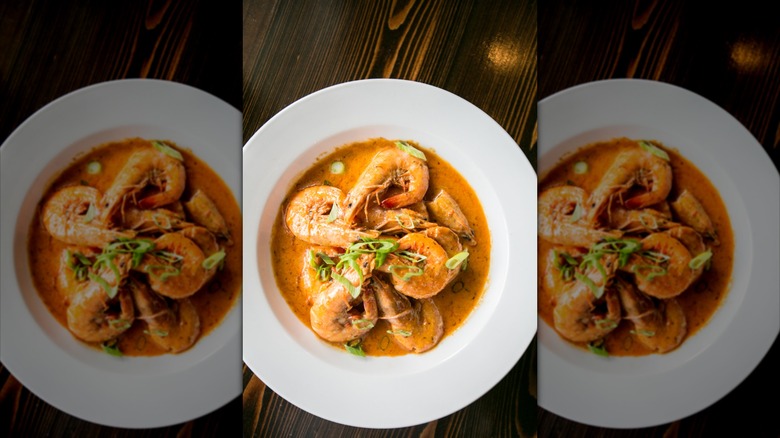
If Forest Gump taught us nothing else, we know that there are myriad ways to cook shrimp. In New Orleans, we're talking barbecue shrimp — an invention that's been around since the 1950s.
The credit goes to Pascal's Manale Restaurant, which got its start in a corner grocery in 1913. When founder Frank Manale passed away, his nephew, Pascal Radosta, took over this family-friendly spot. While the history of the dish is a little murky, with tales of a customer asking the chef to recreate a dish they ate while traveling, it's been on the menu ever since and a NOLA staple to this day.
While the dish suggests barbecue, that's actually not the case. It's made with "red gravy," which contains lots of spices like cayenne and paprika, and the shrimp never actually touches a grill. While there is no barbecue flavor, the name came from the reddish tint. Today, you'll find different variations depending on where you go, some adding butter or margarine, some adding beer or wine. No matter the recipe, you're sure to love these bold flavors that scream NOLA.