

4 Foods That Have More Vitamin C Than Oranges
Vitamin C is essential to our health. Not only does it support the immune system by stimulating the effectiveness of white blood cells, but it's also required to build collagen, the protein that makes up healthy skin. Vitamin C also improves the body's ability to absorb iron, preventing conditions such as anemia. On top of all that, vitamin C is a powerful antioxidant. This means it neutralizes the harmful free radicals which cause chronic diseases, such as cancer, as indicated in a review article published in the Journal of the American College of Nutrition. It's recommended that women get 75 milligrams of vitamin C and men get 90 milligrams of vitamin C per day (via Mayo Clinic).
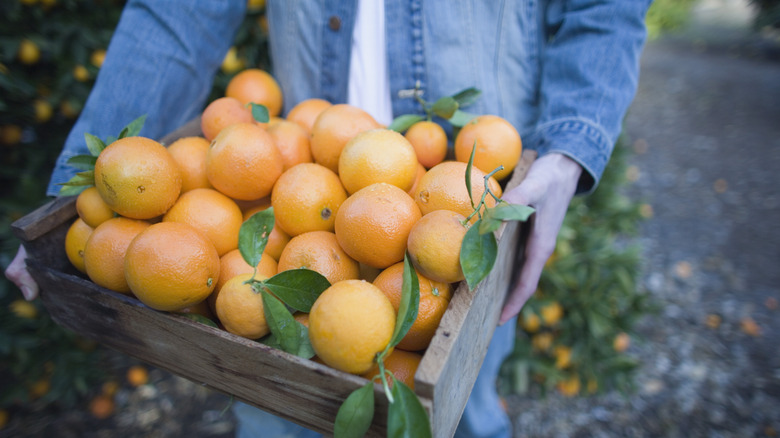
When we think of vitamin C, we usually think of citrus fruits, especially oranges. The fruit does have a decent amount of vitamin C, with one serving (or medium-sized orange) containing about 70 milligrams. But there are other foods with a higher vitamin C content than oranges. From fruits to vegetables, let's take a look at some of these foods.
Pineapples
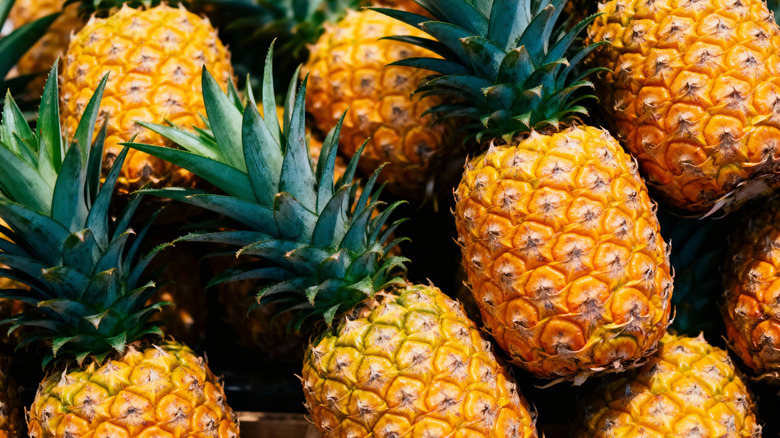
When we think of the tropics, pineapples often come to mind. They're juicy, delicious, and taste great when grilled and covered in cinnamon. There are actually so many great ways to eat this fruit; the 13 popular ways pineapple is eaten around the world will blow your mind. But, did you know that pineapples are high in vitamin C content? 1 cup of diced pineapples contains about 87.42 milligrams of vitamin C. This means that, if you're a woman, you can meet your daily recommended value of vitamin C just by eating 1 cup of this fruit.
Other than vitamin C, pineapple is also known for being uniquely high in bromelain. The latter is an enzyme that aids digestion by breaking down proteins and reduces inflammation, according to an article in Biomedical Reports. It's commonly used to reduce swelling from dental procedures (such as wisdom tooth extraction) and even sports injuries. A 2023 study in Frontiers in Oncology also found that bromelain may block a series of events that may lead to the development of cancerous cells.
Strawberries

Who doesn't love to go to a farm for strawberry picking? It's simply a joy to be out in the sun, picking fresh fruit, and to then come home to eat berries dipped in honey or chocolate sauce. Not only do strawberries taste delicious, but they're also packed with more vitamin C than oranges. 1 cup of strawberries contains about 89 milligrams of vitamin C. That's approximately 19 milligrams more than oranges. This means strawberries are a good choice for supporting your immune system.
Strawberries also contain a high amount of fiber. Due to this, they're great for managing blood sugar, as found in a study published in The Journal of Nutrition. Another benefit of strawberries? They can actually help whiten your teeth thanks to their high concentration of malic acid. This acid breaks down and lifts surface stains from food and beverages, naturally whitening teeth.
Broccoli
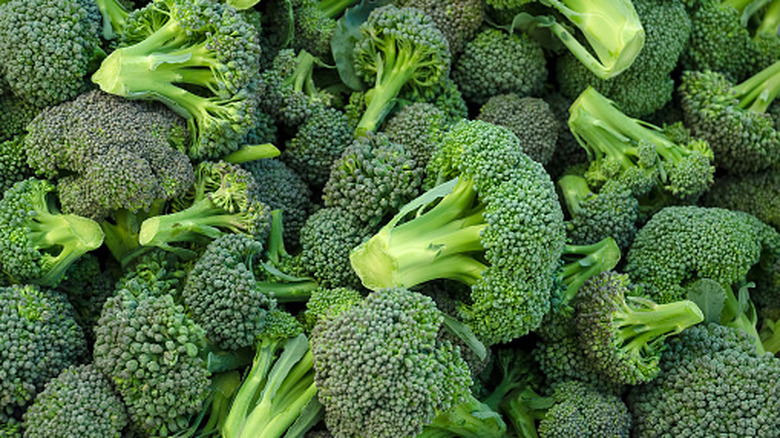
Fruits aren't the only type of food with vitamin C. Some vegetables, including broccoli, are also high in the vitamin. 1 cup of boiled broccoli, for example, contains about 100 milligrams of vitamin C. That's about 30 milligrams more than one serving of oranges. Broccoli is also a rich source of vitamin A, vitamin K, iron, calcium, and antioxidants. According to a review article in Antibiotics, vitamin K and calcium are both essential for bone health, while vitamin A promotes eye health.
Sounds like it's time to get more broccoli into your diet! You can do so by making a delicious takeout-inspired beef and broccoli dish by tossing broccoli in a garlic sauce. If that's not your thing, try a hearty broccoli cheddar soup. It's perfect for chilly days, or days where you're craving something cheesy.
Brussels sprouts
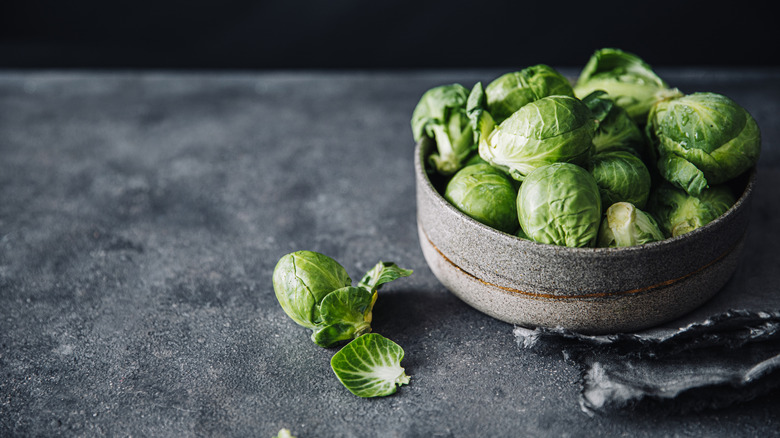
As kids, most of us put up a fight when it came to eating our Brussels sprouts, but our parents had the right idea. After all, they usually know what's best for us. Brussels sprouts are packed with vitamin C, containing about 122 milligrams of the vitamin per 85 grams (the equivalent of one common serving of raw Brussels sprouts). That's practically double the vitamin C found in one serving of oranges!
Like broccoli, Brussels sprouts are also high in vitamin K. They also contain a sulfur-based substance which may help to prevent DNA damage, and subsequently, cancer. Thanks to its high fiber content, along with alpha-lipoic acid, Brussels sprouts help in the management of blood sugar levels and may therefore prevent the development of type 2 diabetes. Its high fiber content also means Brussels sprouts help aid digestion and prevent constipation.