

What Exactly Is A Cowboy-Style Recipe?
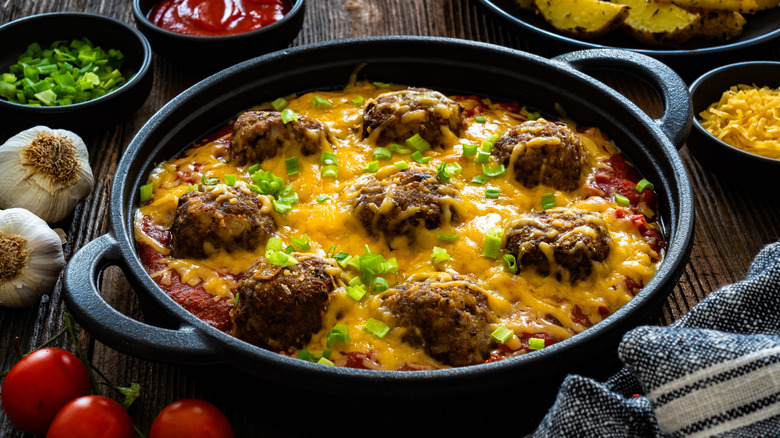
So-called cowboy recipes can be a common sight on restaurant menus, particularly in areas with strong historical ties to the genuine culture. Such recipes are not necessarily accurate representations of the diet of 19th-century cowboys, which was often as simple as calorie-dense hardtack (a compact cracker) dunked in black coffee — and, if they were lucky, canned peaches for dessert.
But even though cowboy recipes usually aren't historical recreations, they do follow some basics of cowboy cooking. They tend to be easy to make and open to improvisation, which would have been convenient for life on a cattle trail. Whether a lonesome cowboy eating in solitude or a chuckwagon cooking for a dozen of them, they had to work with whatever was on hand.
Cowboy recipes also tend to be hearty and filling, especially savory dishes, another legacy of their actual diets. As animal herders and ranch hands, cowboys led labor-intensive lives and needed energy-dense meals to keep up with the work. Beans and potatoes are excellent choices for such needs and remain common sights in modern cowboy recipes.
How cowboy-style melds with modern cuisine
With such an amorphous definition, cowboy-style recipes can go in unusual directions. For instance, cowboy candy has little to do with cowboys. Candied jalapeño slices were probably uncommon in an era where sugar was relatively rare and expensive, but the pepper's modern ubiquity in southwestern food lends such a dish enough of a cowboy-adjacent vibe to make the name stick.
Other dishes go beyond vibes for modern expressions of the quick, improvised cooking ethos. Cowboy butter is a modern invention with early roots in New York, but it's easy to see where the name comes from. It's essentially a compound butter that isn't allowed to set after mixing in any ingredients on hand that go well with meat, from paprika to dijon mustard, Worcestershire sauce, and more. Cowboys likely didn't work with any of these ingredients, but they would recognize the improvisation.
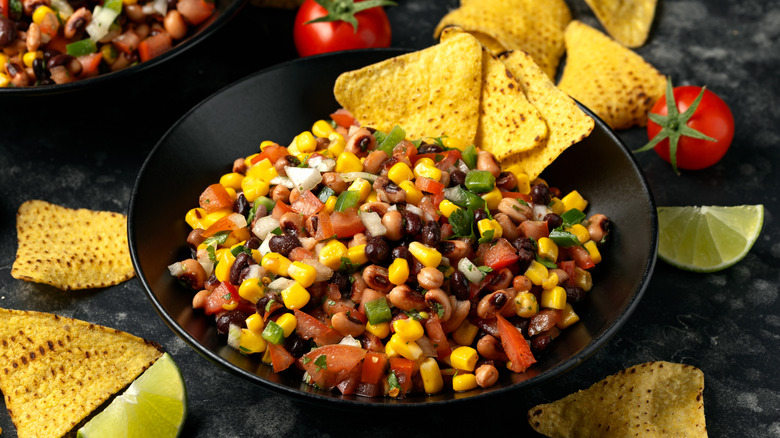
Another example of this is the unusually named cowboy caviar, which contains no actual caviar or animal protein of any kind. The protein content comes from black beans and black-eyed peas, mixed with whatever fresh or canned-and-drained produce is on hand, like corn, diced tomatoes, red onion, bell peppers, and cilantro. It's simple to add or remove ingredients to taste or availability, and with no cooking involved, it's also a quick, flavorful, and filling energy boost.