

Here's What It Looked Like To Grocery Shop In The '70s
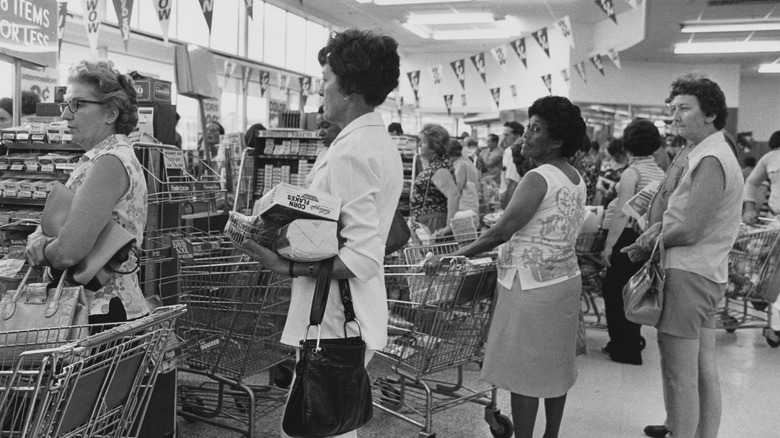
Grocery stores in the U.S. have changed quite a bit since their earliest beginnings in the 1800s. From simple mom-and-pop stores where the owner would gather your goods for you and almost everything was sold on credit, to self-service and every product you can imagine being sold under one roof. For decades, it wasn't uncommon for families to make multiple stops at different stores to stock up on items they needed for the week. But in the 1970s, convenience was taking over. Grocery stores were changing fast. There was new technology, new forms of payment, the rise of convenience food, and the first warehouse-style grocery chains that had customers buying everything from produce to dinnerware in one store. National grocery chains were spreading across the country and competition was fierce. Grocery stores in the 70s were the foundation of what we see today in our local Kroger, Costco, Walmart, and Whole Foods.
In the 1970s, it was a different experience to make the weekly grocery shopping trip. In the early part of the decade, you generally paid with cash or a check. By 1975, Universal Product Codes, or UPCs, replaced sticker pricing, and the checker scanned your items on the first optical scanners. Customer service was still a big part of a store's success. Your paper grocery bags were often carried out to the car by an attendant. Every day, it seemed like new products, like Hamburger Helper, were filling the shelves that promised to make cooking the nightly meal easier and faster. Frozen food was becoming a popular item for the average customer to buy. The grocery store of the '70s was the beginning of what would become our modern-day supermarket experience.
Payment methods
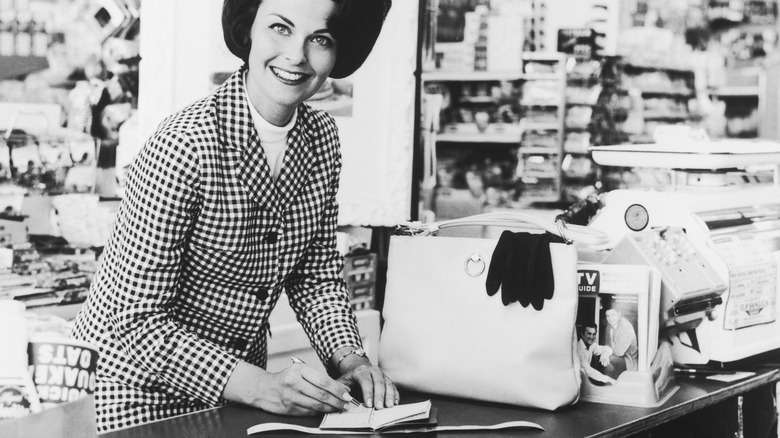
When grocery stores first came on the scene, they promoted using cash instead of having a credit account with the store. Savings deals were even used to motivate customers to pay with cash. By the 1970s, most customers paid for their groceries with cash or checks. In the 1980s, credit cards were more common, and in the '90s, debit cards became the norm for point-of-sale purchases. Sometimes, at older stores, you can still find the small pull-out counter, just below the checkout counter, originally meant for wheelchair users to write their checks.
The rise of convenience food
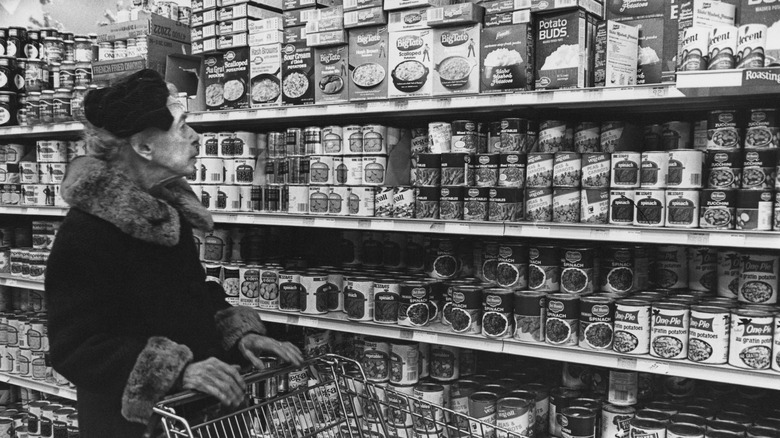
The first types of packaged food items that could be considered "convenience" food were commercially canned and boxed food mixes in the early 19th century. The 1950s, of course, brought us the infamous TV dinner. But the 1970s saw an explosion of convenience foods filling grocery shelves like never before: pre-packaged dinners, frozen foods, and canned items made up the majority of customers' purchases. The social dynamic of the home was changing. Fewer people had time to make a meal from scratch anymore, so convenience became more commonplace.
Clerks that helped you take your groceries out to your car
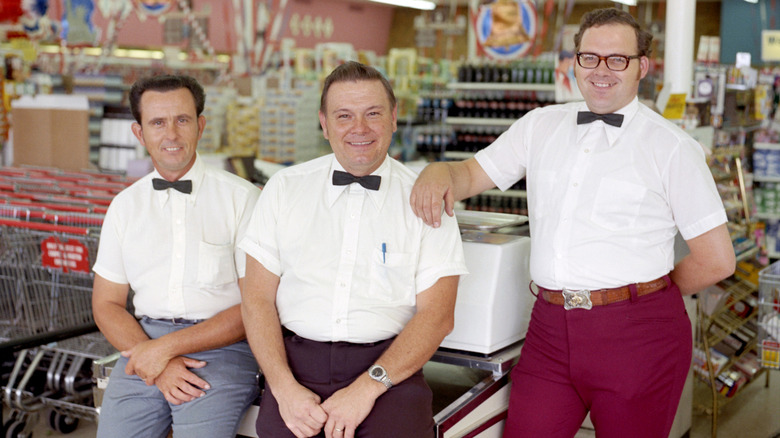
Today, customer service at grocery stores is usually relegated to a long counter by the front entrance. In the 70s, it was throughout the store. If you grew up in the 70s, you might remember the "bag boy" at the end of the checkout who would not only bag up your groceries, but he would also graciously take them out to your car for you. This was a normal service in the store, not just an example of a kind employee. If you're lucky, you can still find this service being provided in some local supermarkets.
Scanning technology and UPC codes first introduced
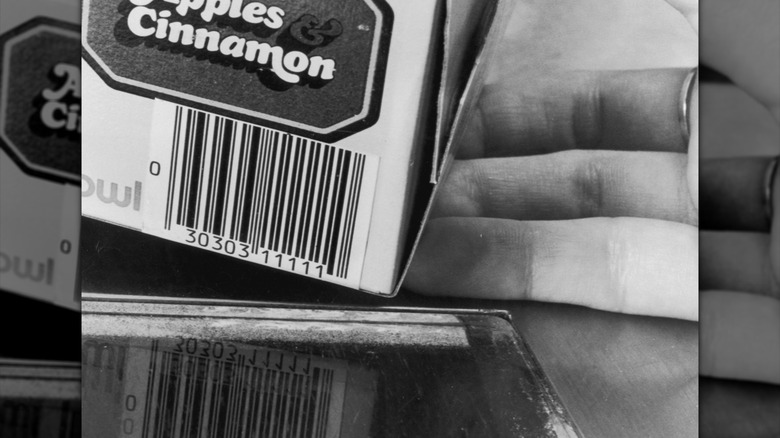
The beginnings of self-checkout had their start in the first optical scanner and the UPC barcodes that were utilized in the mid-1970s. The first time a UPC was used in a grocery store was on a pack of gum in 1974. Not only did this technology make checking out at the grocery store quicker, but it also helped stores streamline inventory and pricing. Sadly, it also paved the way for an annoying female computer voice to repeatedly tell you, "There is an unexpected item in the bagging area."
Paper bags
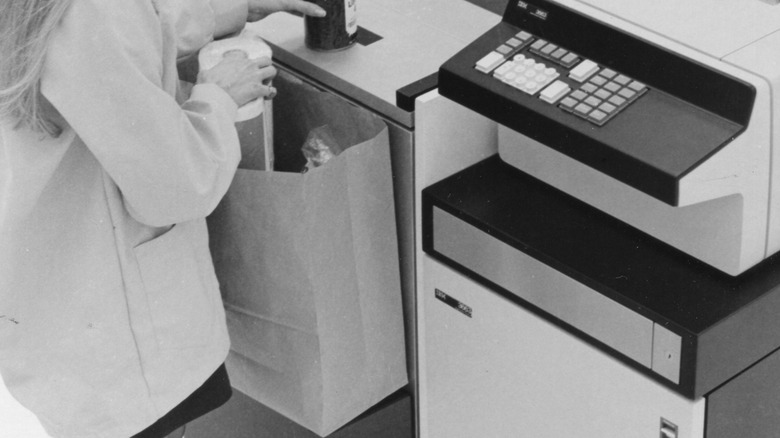
The question that defined an era of grocery shopping since the 1990s: "Paper or plastic?" In the 70s, there was no option. You got paper bags, that's it. The impressive thing is that families reused those bags for everything: a way to drain the grease off of fried food, a liner for garbage cans, and, for many kids who grew up in the 70s and 80s, a cool way to protect their textbooks, which they could decorate. In the 90s, paper bags were mostly replaced by plastic, which were engineered decades earlier in an effort to preserve forests.
Limited variety of produce
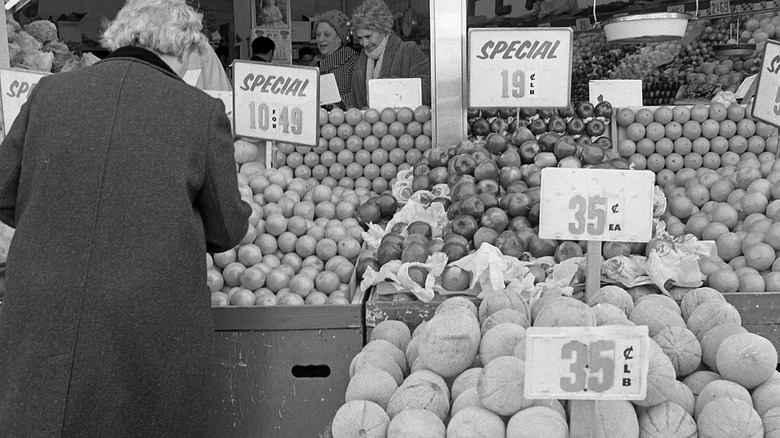
The produce selection of an early 1970s grocery store was mostly limited to what was locally or regionally available. Preservation chemicals, technology, and trade agreements weren't as widely available at the time, so produce couldn't travel as far. Toward the end of the decade, things started to change, and more exotic produce became available. With the rise of the health and whole food movement of the 80s and 90s, people started demanding better fruits and veggies, as well as some organic items.