
18 Grocery Chains That Are Actually Owned By Kroger
The Kroger brand grocery store chain is well known throughout the Midwest and much of the Southern United States. The popular grocery store was founded in 1883 by Bernard H. Kroger and B.A. Branagan. The first store in Cincinnati went by a different name until becoming Kroger Grocery and Baking Co. in 1902. It wouldn't be until the mid-1940s that the store would take its current name, "Kroger." Over the years, Kroger has expanded into a full-on grocery conglomerate and has brought many other grocery chains into its fold. You might not know that, besides the traditional Kroger stores, many other grocery chains across the country are actually part of the Kroger brand. Some of the chains you might recognize are QFC, Ralphs, King Soopers, Dillons, and Fred Meyer.
Kroger is not only the oldest grocery store brand in the U.S., but it has also quickly become one of the largest. While many of the chains Kroger owns vary by region, they all have one thing in common — the consistency of the Kroger business model. Each store carries the company's branded products, uses the same online and in-store services, and follows the standard of service set by the Kroger head office. The parent company believes it's important to maintain the familiar store names and look of each regional chain. While there are still states in the U.S. where you won't find a Kroger, you may be able to shop at one of its subsidiary grocery chains.
Baker's
Baker's was founded in Walnut, Iowa, by Abe Baker in 1927. Then, in 1957, its second, third, and fourth stores opened in and around Omaha, Nebraska. Due to declining profits, the grocery chain was sold in the early '90s and, in 2001, was purchased by Kroger. There are currently 11 Baker's locations throughout Nebraska.
City Market
City Market was founded in 1924 in Grand Junction, Colorado, by the Prinster brothers. After World War II, the brothers expanded the grocery chain to other areas of Colorado, Utah, Wyoming, and New Mexico. The City Market chain merged with the Dillon's grocery chain in 1970. In 1983, Dillon's was purchased by Kroger, making City Market part of the Kroger family of grocery stores.
Dillon's
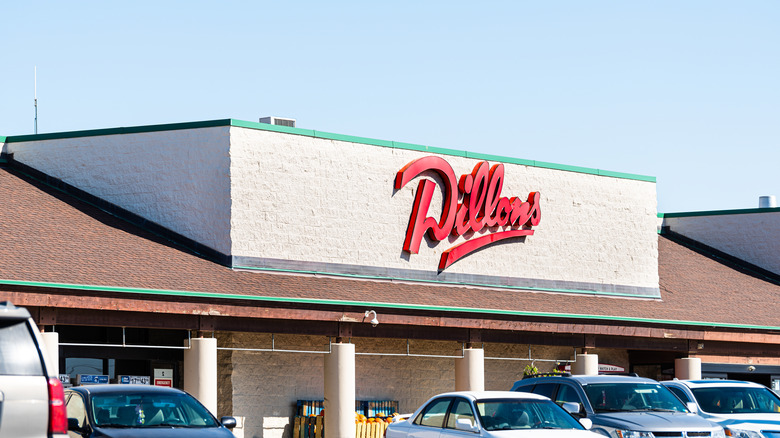
The first Dillon's store was opened in 1913 in Hutchinson, Kansas, by John S. Dillon. It was considered a novelty in the area because they were the first "cash and carry" style store, meaning customers paid for their items upfront and took them home immediately, rather than charging their groceries and having them delivered. Over the years, Dillon's expanded and started buying up other local grocery chains. In the '60s and '70s, it purchased City Market, King Soopers, Fry's, and Gerbes. Then, in 1983, the entire grocery conglomerate was purchased by Kroger. Today, Dillon's operates 80 locations in the West North Central.
Food 4 Less
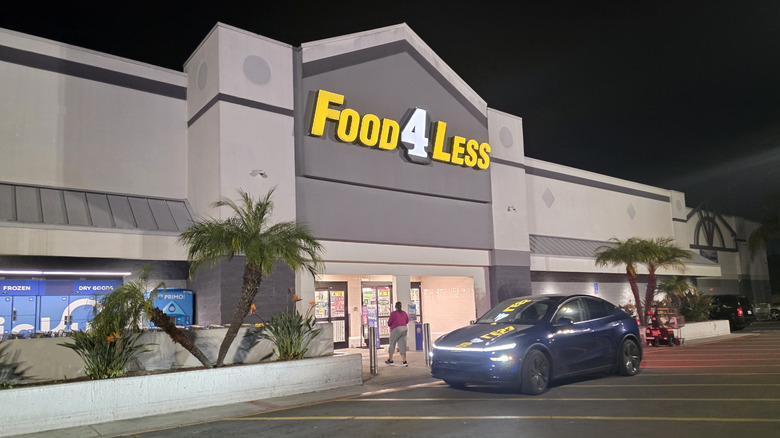
In the 1930s, Lou Falley came up with the idea for Food 4 Less, a very simplistic type of grocery store. No bag boys and no fancy displays; this chain was reminiscent of a modern-day Aldi, Costco, or Sam's Club, where shoppers did the work. He also created a more traditional store named Falley's. Both chains were primarily in eastern Kansas and northern Missouri. The Food 4 Less chain was purchased by Ralphs in the 1980s, and both were purchased by Fred Meyer in 1997. In 1998, Kroger purchased Fred Meyer, making all three store chains now part of the Kroger family.
Foods Co
Foods Co. is the store name Kroger uses for some of its Food 4 Less stores acquired in Northern California. Because Lou Falley franchised some of his stores, those not part of the Kroger merger maintained the rights to the Food 4 Less name in this area. Any Kroger-owned location had to change its name to stay within the parameters of merger rules.
Fred Meyer
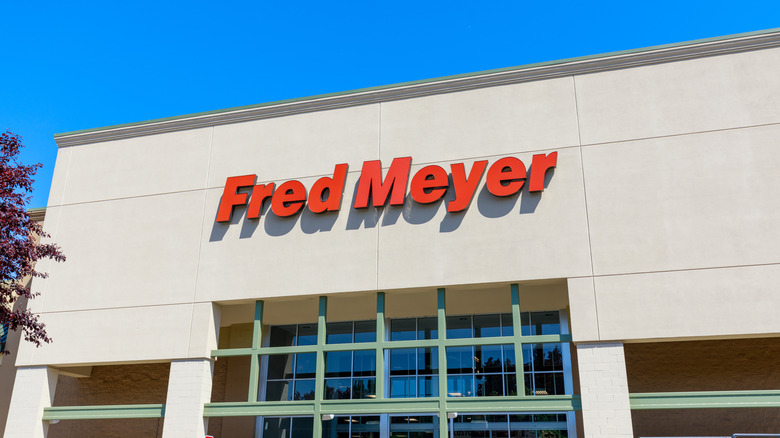
Fred G. Meyer opened the first Fred Meyer store in Portland, Oregon, in 1922. Meyer's stores were unique in the fact that you could buy everything from groceries to home goods, all in one store. In the '90s, Fred Meyer stores spread throughout Oregon, Washington, Alaska, Idaho, Montana, Utah, California, and Arizona. It continued to expand and acquired many other regional grocery chains like QFC, Smith's Food, and Smitty's Marketplace. In 1999, it merged with Kroger.
Fry's
Charles and Donald Fry founded Fry's grocery store in Contra Costa County, California, in 1954. In the early 1960s, the brothers continued to expand the grocery store throughout California and also Arizona, with 42 locations. In the '70s, the Dillon's grocery chain purchased Fry's. In the '80s, when Kroger merged with Dillon's, it took with it each of the Fry's locations.
Gerbes
The first Gerbes grocery store was opened in Tipton, Missouri, in 1933 by Frank John Gerbes. He had gained grocery store experience, ironically from working at a Kroger store in his younger years. Working with his wife, Minni, he continued to expand the chain in Missouri until the couple sold it to Dillon's in the 1970s. As mentioned, when Dillon's merged with Kroger in 1983, all of Dillon's subsidiaries became a part of the Kroger family of stores, including Gerbes.
Jay C Food Store
In 1863, John C. Groub opened the first Jay C Food Stores in Seymour, Indiana. The chain continued to expand throughout southern Indiana until Kroger's merging spree in 1999, when it acquired Jay C's 30 locations. Before the merger, "The John C. Groub Company was one of the five largest private retail companies in Indiana," according to the Indiana Historical Society.
King Soopers
The founder of King Soopers, Lloyd J. King, had a long history of employment in the grocery business. Taking what he had learned, he opened the first King Soopers in the mid-1940s, in Arvada, Colorado. King Soopers became the first grocery store in the United States to have an on-site pharmacy. The chain continued to expand until 1957, when it sold the stores to grocery giant Dillon's. King Soopers became part of Kroger when Dillon's and Kroger merged in 1983.
Mariano's
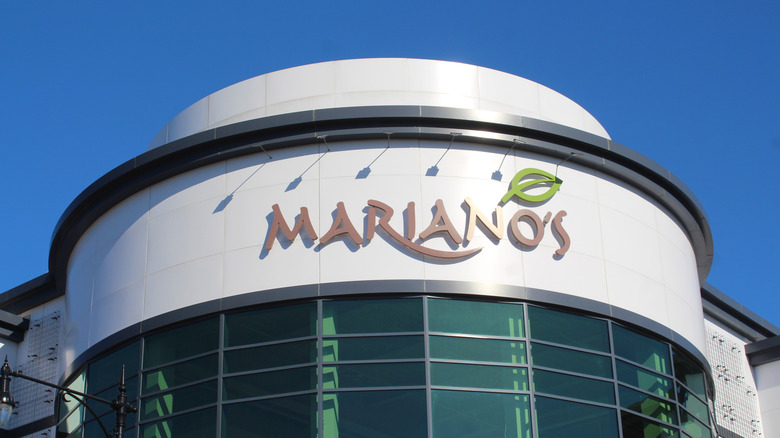
Robert A. Mariano founded the first of his namesake grocery stores in Chicago in 2010. Known for its unique shopping experience (you can sip on wine while you shop, utilizing wine glass holders on shopping carts), Mariano's boasts an upscale atmosphere, complete with a wine bar and a pianist playing while you enjoy the atmosphere. The chain expanded for five years until it was purchased in 2015 by Kroger.
Metro Market
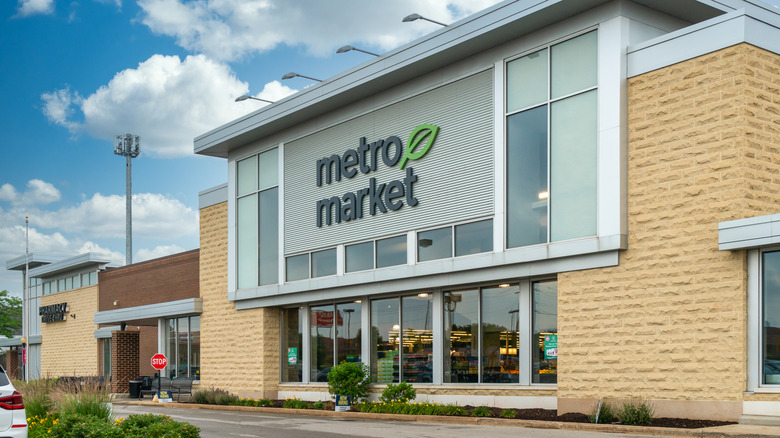
A subsidiary of Roundy's, the first Metro Market opened in downtown Milwaukee in 2004, built to provide downtown residents with a full-service grocery store. Urban areas are often considered food deserts, and Metro Market was meant as a solution for this issue. Metro Market became part of the Kroger Company when Roundy's and Kroger merged in 2015.
Pay Less Super Markets
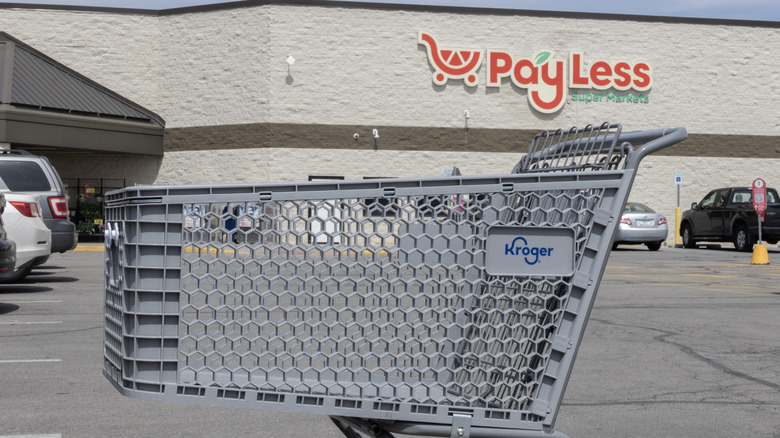
Pay Less Super Markets began with the opening of its first store in 1947 by H.J. Contos in Anderson, Indiana. The central Indiana-based grocery chain continued to expand until 1999, when it joined with Kroger as part of the Groub Co. merger. In the late 2010s, Kroger opened additional Pay Less locations in Indiana.
Pick 'n Save
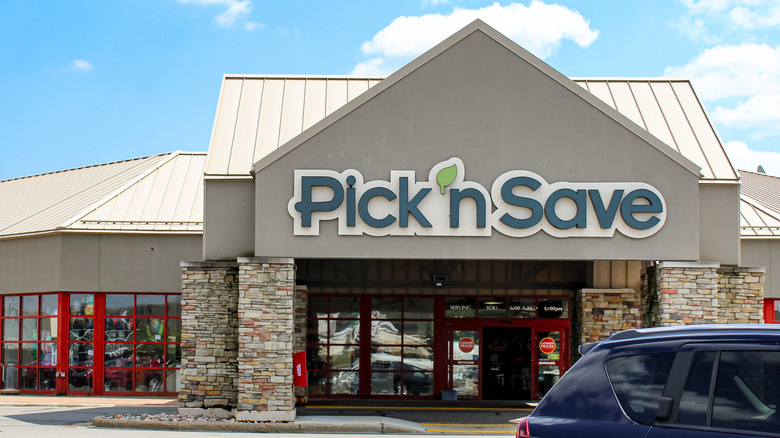
Roundy's opened the first Pick 'n Save store in Milwaukee in 1975, as a response to the 1974 economic crisis. Similar to Food 4 Less, Pick 'n Save was a stripped-down alternative to regular grocery stores, offering little to no perishables. The store was the predecessor to warehouse-style stores of today. When Roundy's merged with Kroger in 2015, Pick 'n Save became part of the Kroger store family.
QFC
In Seattle, two local Thriftway grocery store owners, Vern Fortin and Jack Croco, merged their stores in 1960 into one store they named QFC (Quality Food Center). The chain expanded, mainly in the Puget Sound region of the state. In the late 1980s and '90s, the company expanded its reach further by building stores in western Washington and Portland, Oregon. In 1997, Fred Meyer purchased QFC, and then became part of Kroger when the two companies merged.
Ralphs
Aside from being known as the preferred grocery store for the Dude of "The Big Lebowski" fame, Ralphs is one of the oldest surviving grocery chains in Los Angeles. Founded in 1873 by George A. Ralphs, he and his brothers operated the chain. In 1968, under the ownership of Federated Department Stores, Ralphs expanded into Northern California. Throughout the '90s, Ralphs changed hands a number of times through bankruptcies and mergers. In 1997, Fred Meyer purchased Ralphs, and subsequently, Kroger after its merger with Fred Meyer.
Ruler
In 1997, Jay C Foods founded a discount chain in Seymour, Indiana, called Ruler, which expanded throughout the Midwest, operating 50 stores. This new type of store was modeled after the European grocery chain Aldi. When Jay C Foods merged with Kroger in 1998, the Ruler stores became a discount wing of Kroger.
Smith's Food and Drug
Smith's Food and Drug had its beginnings in Brigham City, Utah, in 1911, when Lorenzo Smith opened his first store. Throughout its history, Smith's saw massive expansion throughout much of the Western United States. In 1997, Smith's was sold to Fred Meyer and became part of the merger of Fred Meyer and Kroger in 1999. Smith's is headquartered in Salt Lake City and operates nearly 150 locations.