

The Secret To Keeping Mice Out Of Your Home Is Hiding In Your Spice Cabinet

Mice can damage your property by gnawing on wood, chewing through electrical wires, and even eating insulation. Worse still, they can contaminate your food and spread diseases. While poison and traps work as effective ways to eliminate a mouse infestation, there is another way to keep mice out of your home that's hiding in your spice cabinet. Rodents have a powerful sense of smell, which means you can use aromatic spices that they dislike, such as cinnamon, pepper flakes, and cloves, as natural deterrents.
Cinnamon sticks can be tucked into cabinet drawers or placed in small muslin bags and be divided up across pantry cupboards and cabinets. However, you can also simmer them in water and allow the scent to diffuse into the room (or use cinnamon-scented cleaning products) to discourage mice from making an appearance. This works because cinnamon contains a compound called cinnamaldehyde that overwhelms their sense of smell.
Meanwhile, pepper flakes or cayenne can be sprinkled around exterior entry points to prevent rodents from getting inside — just be careful of doing this if you have small children. These spices irritate the respiratory systems of rodents and deter them from accessing your home. Alternatively, you can mix the chili flakes with water to create a spray that can be spritzed in areas where rodent activity has been identified. Placing a few cloves at entry points can also deter mice because they dislike their distinctively strong aroma.
Potent spices with an aromatic kick will deter mice
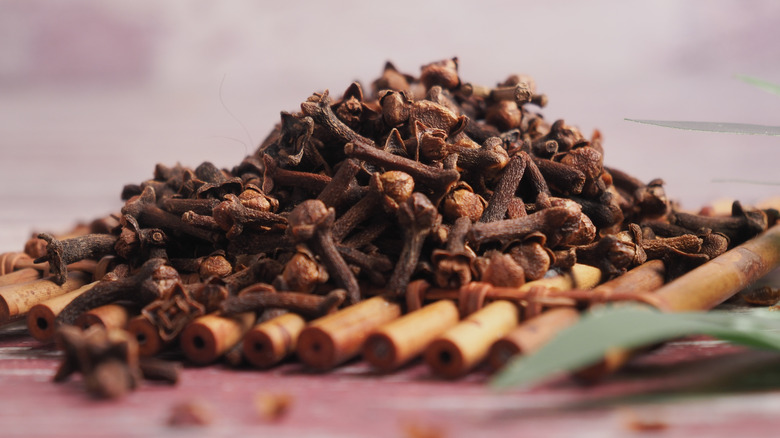
You can use expired spices to hinder rodent activity, but cinnamon, cloves, and pepper flakes that are still well within their use-by date will likely have a greater pungency and better effect (spices that have been sitting around for a while can lose their potency and aroma, but are usually safe to use in cooking).
Mice also dislike menthol-scented foods, such as peppermint, spearmint, and garden mint, so it might be worth growing some herbs and setting them out on your kitchen windowsill to discourage them from entering your cooking space (here's how to turn old teacups into whimsical herb planters with little work). Your home can be attractive to other pests, too, like carpenter bees, which buzz around looking for wooden cabinetry to bore holes into. Luckily, almond oil is a natural product that can keep carpenter bees out of your kitchen; simply apply it to any wooden areas, and the mild nutty smell will act as a deterrent.
If you're unsure whether mice have gotten into your home, check for signs of mice droppings that look like small, black grains of rice, gnaw marks around baseboards and doors, or chewed carpets. You should also place any open food packages in sealed jars, put away fruit that's left on counters, and seal up any entry points with metal mesh or caulk.