

4 Best Fruits To Plant In The Spring For Beginners
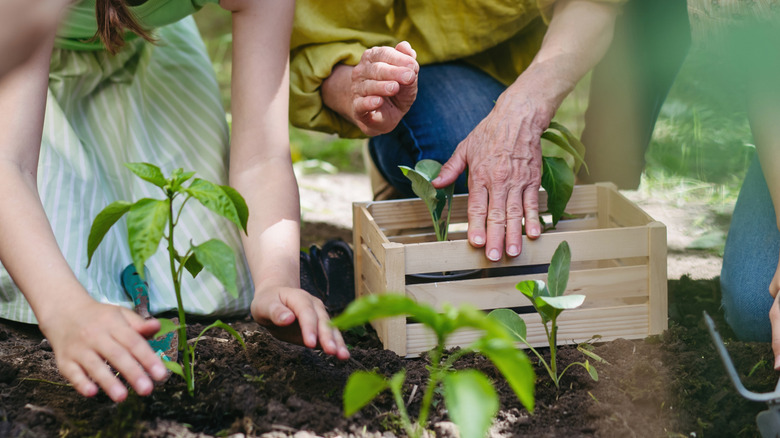
Spring is a time for rebirth from a frigid winter, and it's also a great time to plant fruits at home to enjoy later in the warmer seasons. While some fruits are best planted in the fall and enjoyed in spring, others can actually still be planted in springtime and enjoyed before it gets cold. Some of them are even so easy to grow, a child could do it.
Strawberries, blackberries, and raspberries are some of the easiest fruits for beginners to plant in the springtime. If you've ever seen any of these in the wild, you know how much they like to grow. And, provided you have the space for some vines, melons are also an easy choice for a beginner fruit garden.
Some of these also plant well in the fall, and the exact timing of outdoor growing depends on which climate zone you live in. But all of these tend to do well after being planted sometime in the spring, and some can bear edible fruit within weeks. With others, however, you'll have to wait to reap your harvest — up to two years.
Strawberries
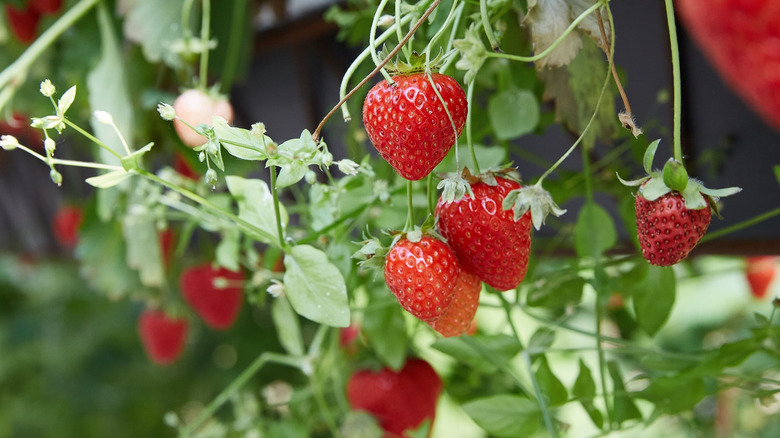
Strawberries are widely associated with spring and summer, and a big part of that is because they're easy to grow in large numbers. Strawberries can be grown at home in any climate zone found in the United States, and they're so easy that children grow them. The best time to plant them is in the fall, but early spring also gets good results.
Once temperatures are above 40 degrees Fahrenheit, strawberries can be planted in workable soil and, depending on the variety, may fruit in as early as four weeks. Growers recommend trimming the first few flowers off to allow the plant to grow better roots. If you're looking for a bountiful harvest, though, you may have to wait a few years before the plants get that potent.
Different varieties have different fruiting schedules and yields, but one popular type, known as everbearing strawberries, fruits twice a year. But as soon as you have some fresh, home-grown strawberries, they easily become the star ingredient in this strawberry shortcake recipe, a classic dessert for warmer days.
Raspberries
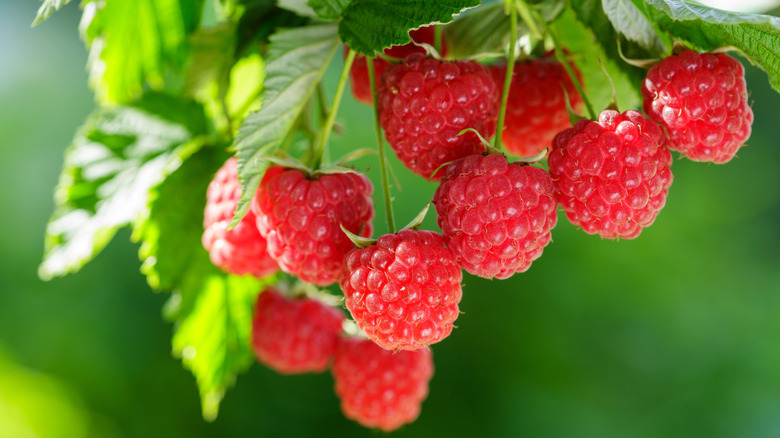
Raspberries are such a supremely easy fruit to grow that they can become locally invasive if not properly managed, but the bright side of that is you'll have plenty of them. Early spring is the best time to plant these seedlings, and they can successfully grow in a range of environments, but grow most abundantly in full sunlight.
However, if you're hoping to have some garden raspberries later this season, think further ahead. Raspberry plants take about a year to fully mature and start bearing fruit. But the wait will be well worth it once you have (possibly too many of) the freshest berries possible.
Once your harvest of raspberries is finally collected, there are numerous baking recipes that call for raspberries, like raspberry lemonade cupcakes for a lighter bite or for something more indulgent, a decadent raspberry cheesecake ice cream.
Melons
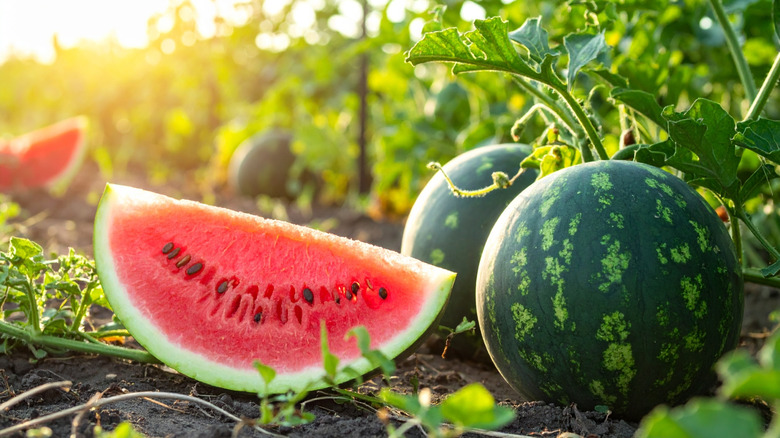
Melons are a terrific and easy-growing candidate for springtime planting, especially the ever-popular watermelon. But there are actually over 1,200 varieties of watermelon in the world, including more than 300 in North and South America. They can all grow easily, but are particular about their needs.
A full-sized watermelon needs about 50 square feet of space to grow, and smaller varieties need less. They plant best when the soil reaches a consistent minimum temperature of 65 degrees Fahrenheit, the timing of which varies depending on climate zones but often occurs in mid to late spring. With enough space, sun, and water, bigger melons take 80 to 100 days to fully mature, perfect timing for the next change in seasons.
Melons are a classic warm-weather fruit for good reason. Watermelons, for instance, are as much as 92% water, making them just as hydrating as they are delicious, perfect for hotter days. They or any other melon can be used in sorbets, cocktails, smoothies, salads, and much more, or just eaten on their own.
Blackberries
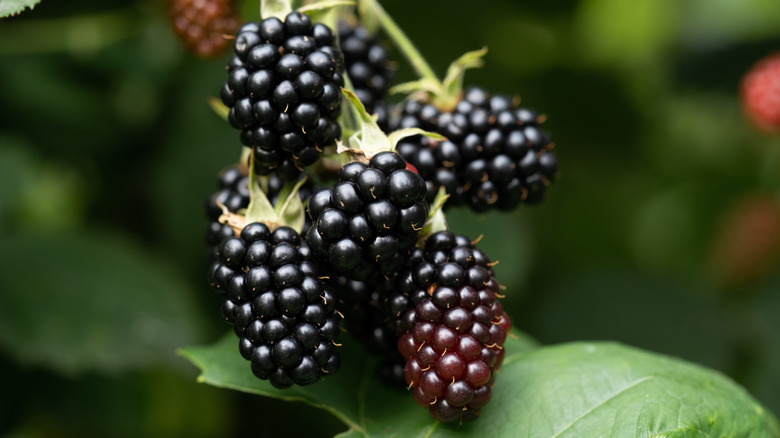
Blackberries can be an underrated star of spring and summer. Early spring is the best time to plant them, as soon as the soil is workable. But unlike strawberries, you won't see any fruit for the first year. New plants take a full two years to start bearing both leaves and fruit. But when they do start producing delicious blackberries, you may want to watch out.
These plants are so eager to grow that they can get out of control. Blackberry bushes can easily take over a corner of the yard if you're not careful. And in the Pacific Northwest, the wild Himalayan blackberry is actually considered an invasive species. Don't be afraid to grow this delicious fruit at home, but do keep an eye on its spread.
When your bounty of blackberries is here at last, two years later, there are countless things you can do with them. But you may first want to celebrate the end of the wait with a hibiscus and blackberry mojito, made with the literal fruits of your own labor.