

The Country That Produces The Most Shrimp In The World Isn't The US Or Mexico
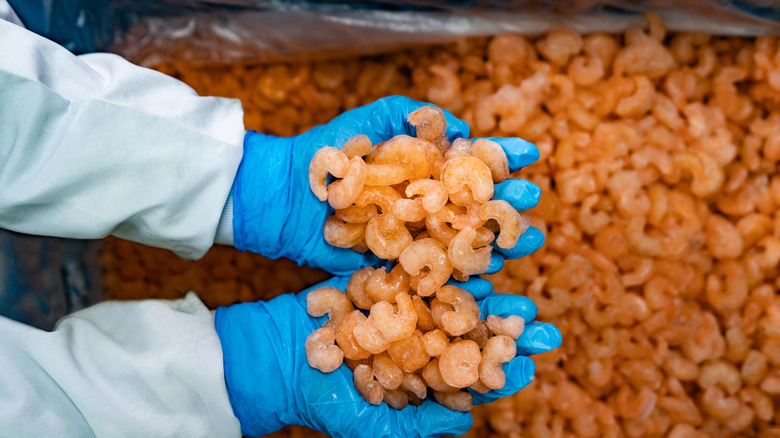
Crustacean lovers need their shrimp. But if you have ever wondered who produces the most shrimp in the world and where those little critters you are eating originate from, it might surprise you to learn it isn't the U.S. or Mexico. The country that catches, and in turn, produces the most shrimp is actually China. What does that mean? Annually, China produces 2 million metric tons of those beautiful prawns that grace your grilled shrimp cocktail, stir fries, dumplings, or shrimp scampi. Before you get your patriotic dander up, this has been the case since 1988.
China has long had an affinity for this seafood. It plays a large part in its own culinary culture as well as its exports, which is why they have created such an efficient aquaculture, AKA farming seafood, economy. According to World Wildlife, farmed shrimp represents 55% of the shrimp produced globally. This is largely due to a demand that continues to increase. In fact, it is expected that the shrimp market will grow to $69.35 billion by 2028. Americans are a big part of this consumption. If you ask what type of fish they like to eat, shrimp tops the list of preferred seafood for the U.S.A, and 94% of all seafood consumed in the red, white, and blue is from overseas.
Leveling the playing field
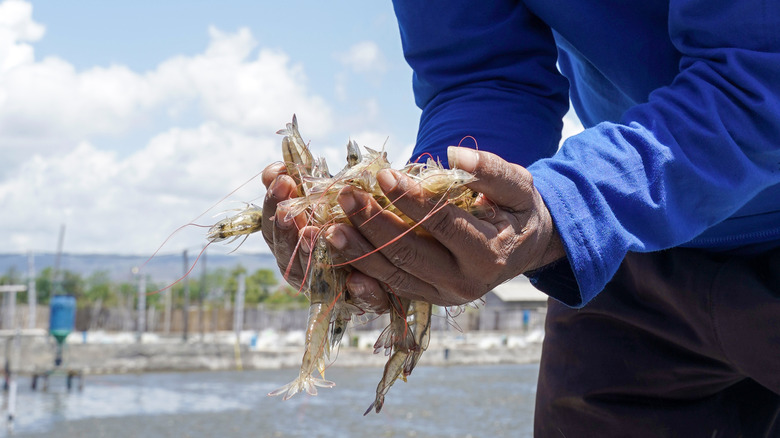
So, why doesn't the U.S. or Mexico step up its aquaculture game and farm more shrimp? After all, fish farming helps prevent overfishing like when the world's obsession with sushi has led to a 97% drop in historic levels of blue tuna. As the laws currently stand, the U.S. cannot compete with the quantities of shrimp that foreign countries like China can produce and export. Some point to unfair trade practices that reward foreign countries that use environmentally destructive aquaculture practices, as well as banned antibiotics.
And secondly, some scientists cite climate change and a parasitic infection that shrimp in American waters have been plagued with: A disease known as black gill. While it doesn't affect whether or not you can eat a shrimp — a shrimp with black gill is still considered okay to consume — black gill can affect the overall population of this sea creature. That said, you might begin to see more shrimp produced in the U.S. Last year, the White House signed the Restoring American Seafood Competitiveness executive order to help level the playing field and revive the shrimp industry in local communities. This order aims to do away with regulations that have been overly restrictive and have prevented the U.S. from being competitive, as well as reduce the reliance on foreign seafood imports.