
How 9 US Presidents Ordered Their Coffee
Coffee at the White House brings to mind images of silver teaspoons and perfectly arranged breakfast trays. But drinking coffee is really about the comfort of a familiar ritual. Personal preference rules, and history shows that even presidents are creatures of habit when it comes to the daily hit of caffeine.
From Founding Father George Washington to more modern-day incumbents, how presidents ordered their coffee often reflected the pressures of politics, health, and responsibilities. Historical giants like Theodore Roosevelt practically inhaled gallons of it, while latter-day leaders like Bill Clinton hopped onto the barista trends. It fueled enough political decisions to get the United States through some of the most difficult times and, occasionally, served as a political statement, inspiring thousands of Americans to follow suit. Today, almost half of adult Americans sip their way through at least three cups of coffee a day. These are the coffee preferences of nine U.S. presidents.
George Washington
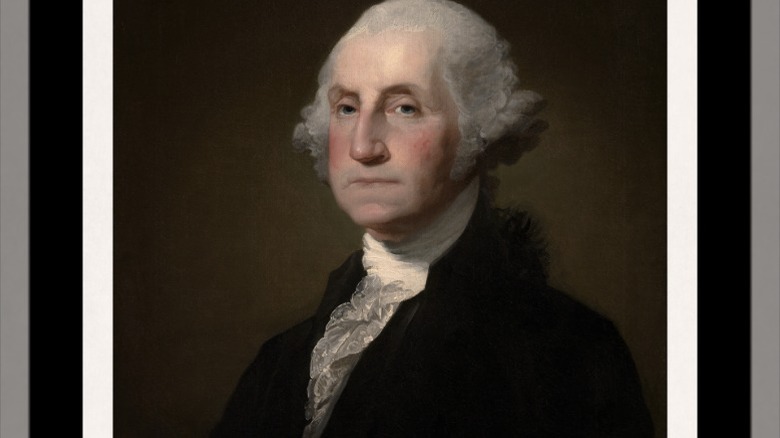
George Washington's detailed and very specific instructions give new meaning to the term "micromanagement." He insisted on having his coffee beans ground by hand and then placed on two coffee toasters directly on the kitchen fire. It's an almost military approach that's totally in keeping with the Founding Father's mythical leadership style, which won him victory in the American Revolutionary War.
He loved the beverage enough not to leave its supply to chance, and he imported his own beans. Historical ledgers show he imported 150 pounds of coffee beans in November 1799 alone. George Washington's actual coffee order was pretty simple: black with sugar and some hot milk before breakfast, and straight up black after dinner. His wife, Martha, was very precise with her instructions. She requested "a heaping tablespoon of good grounds per cup of water, pulverized as fine as cornmeal, served with sugar and hot milk at breakfast and only sugar after dinner."
John Adams
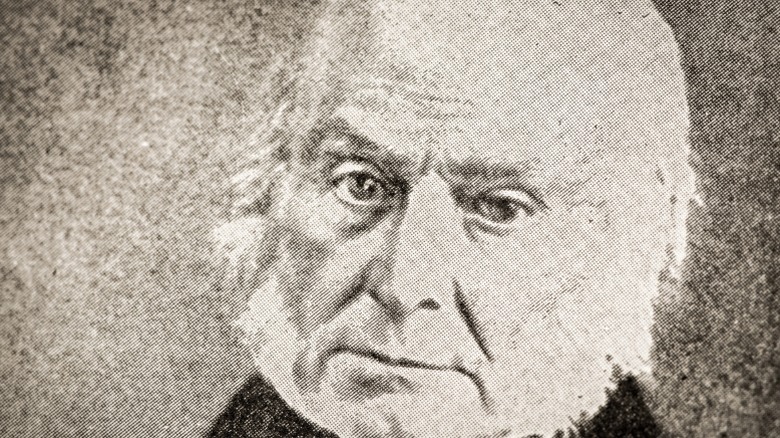
When President John Adams traded in his cup of tea for coffee, it wasn't because he needed a stronger pick-me-up or because he had a hankering for the beans. The reason was purely political. America saw a period of growing tension between the Colonies and Great Britain during the 18th century. Much of that strain came from taxes imposed on tea imports controlled by the British East India Company, which held a powerful monopoly. American citizens didn't hold back in showing their disagreement: In 1773, patriots threw 340 chests of tea belonging to the company into the Boston Harbor.
Bonny Johnny took the most decisive stand, announcing to his wife Abigail that he was weaning himself off tea, which he described as a "traitor's drink." Every afternoon, he ordered his coffee served in a silver-plated urn in the neoclassical style, monogrammed with his initials. Ironically, the urn was crafted by a British silversmith and was originally meant to serve tea. But the choice to drink coffee eventually became related to preference, rather than politics, and it remained part of his daily routine even after the taxation issues were long forgotten. He extended his fondness to coffeehouses, which he described as political spaces, necessary to hold "free and open" conversations.
Thomas Jefferson
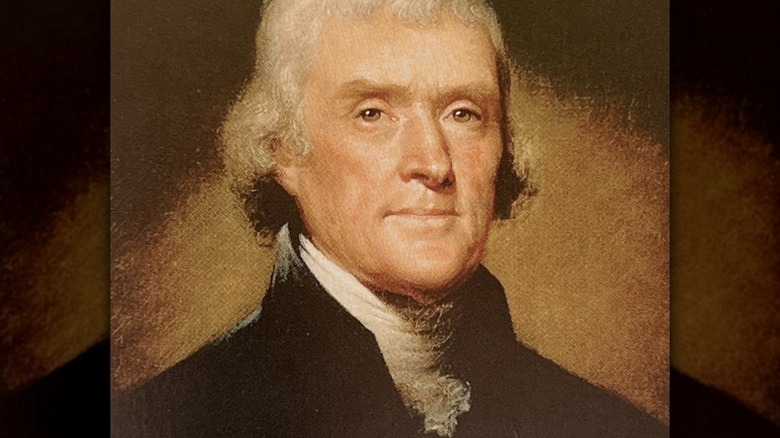
Ordering coffee is a very different experience when you have staff to oversee every stage of preparation, from sourcing to achieving the perfect brew. Thomas Jefferson gave very specific instructions to his butler, Adrien Petit, who jotted the information down: "On one measure of the coffee ground into meal pour three measures of boiling water. Boil it on hot ashes mixed with coal till the meal disappears from the top, when it will be precipitated. Pour it three times through a flannel strainer. It will yield 2⅓ measures of clear coffee." There are no instructions regarding the milk; given the level of detail, it's difficult to imagine the absence as anything but intentional. Incidentally, several of Jefferson's recipes reveal quite a few secrets from the White House Kitchen, including his instructions for making ice cream.
The president was said to prefer the "well-ripened" coffee of the Caribbean, rather than the green coffee beans that were more commonly consumed at the time. The level of control didn't stop there: He appointed a household servant whose sole duty was to ensure there was enough charcoal for the stove to brew coffee. Even after retirement, Jefferson kept his home well-stocked with unroasted coffee beans.
Theodore Roosevelt
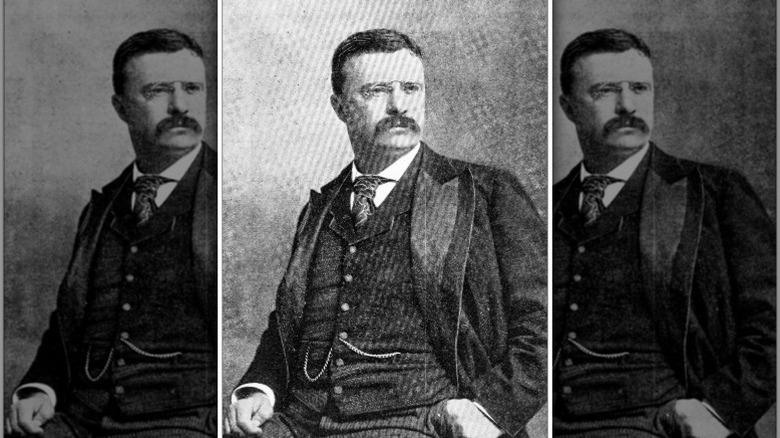
Drinking coffee for medicinal purposes is hardly revolutionary, but giving it to a child to reduce asthma symptoms would be likely to raise a few eyebrows nowadays. But in the early 19th century, it was not uncommon, which is how a young Theodore Roosevelt came to enjoy his first sips of the drink, alongside inhaling cigar smoke. It's unclear if it actually helped improve his asthma symptoms, but it certainly gave him a lasting taste for the bean, as he was reputed to drink up to a gallon of coffee a day throughout adulthood.
According to his son, his order resembled a bathtub more than it did a cuppa. President Roosevelt favored a half-coffee, half-milk mix. Quite pedestrian as choices go, except that his go-to coffee upgrade consisted of adding up to seven lumps of sugar to take the edge off. Today, his love of coffee lives on in a coffeehouse chain opened by his sons and daughter, who are credited with bringing the early hipster coffee culture to New York City.
Franklin D. Roosevelt
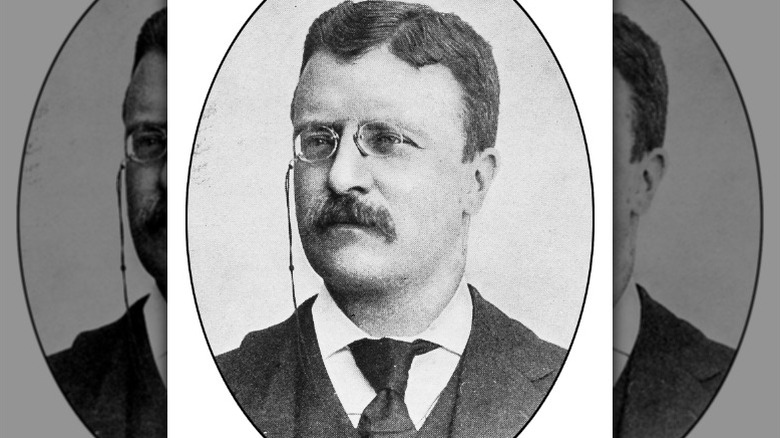
Not every president delegated their coffee order. Some preferred to keep such a close eye on the process that they did it themselves. Franklin D. Roosevelt brewed his own, with a coffeemaker brought to him each morning so he could prepare it just the way he liked it. Since catering to the president's whims is one of the strict rules White House chefs have to follow, his cumbersome order was always accommodated.
Roosevelt preferred his beans taken to a French roast, left on the heat until they turned very dark. Coffee was invariably included on the menu during official White House dinners. During World War II, rationing was in place, and the president had to find more creative ways to make his coffee last. He started "double dripping" grounds in the hope of making beans last longer, but then switched to plain cold milk until coffee rations ended in 1943.
Dwight D. Eisenhower
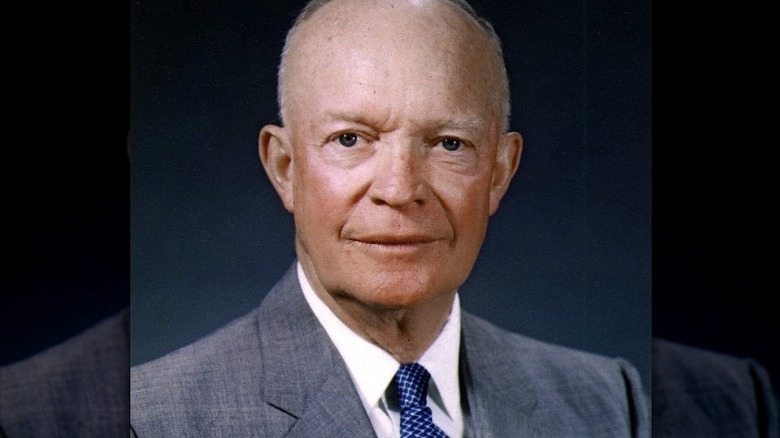
Dwight D. Eisenhower's daily routine would horrify modern doctors: 20 cups of coffee and four packs of cigarettes a day. For many years, however, it served him shockingly well, with some even crediting this habit with helping him fight stress and cope with the pressures of World War II. On D-Day in particular, the two-time president exceeded his typically generous quota, spending most of the day drinking endless cups of coffee as the invasion unfolded.
Affectionately known as Ike, Eisenhower was widely regarded as the harbinger of post-war prosperity. He was also reported to have used American coffee breaks as a way to bridge the gap between his British and American associates. Eisenhower succumbed to heart failure in 1969, aged 78 — a longevity that was a stark contrast to his daily nutrition habits.
John F. Kennedy
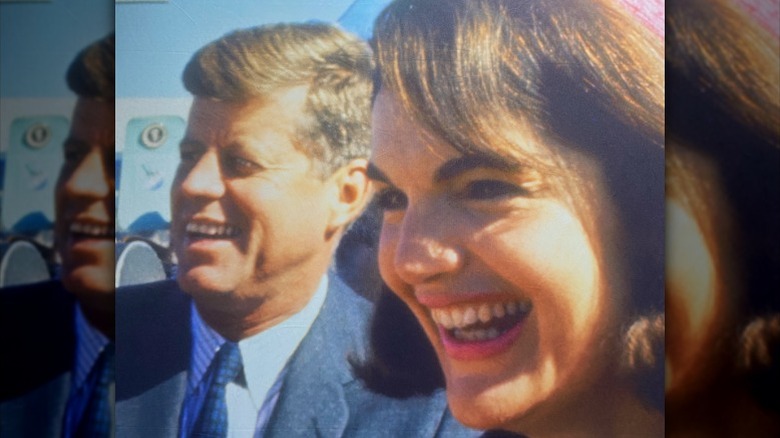
The man who was to spearhead the Cold War efforts started his day with milk and coffee accompanied by fresh orange juice, poached eggs on toast, bacon, and marmalade. John F. Kennedy displayed these classic tastes even in other areas of his life, including his sense of fashion.
For JFK, coffee was not just about fueling the day. The president and his wife used it as a political tool to help them win the hearts of Americans. Throughout the 1950s and '60s, the First Couple created a series of television broadcasts called "Coffee With the Kennedys" to support his Senate campaign. The aim was to appeal to women voters, with JFK's sisters Jean and Eunice joining to take calls from the public. The branded paper cups given out during this campaign remain iconic and part of the exhibits at the American History Museum. This was the first time coffee was used as a political hook by a U.S. President.
George H. W. Bush
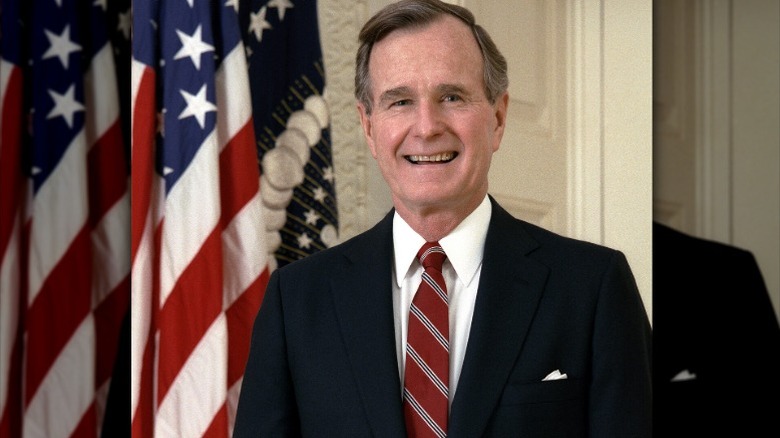
George H. W. Bush started the day early, punctuated by coffee at 5:15 a.m. He took his coffee piping hot with no sugar and light cream. The president was known to favor a plain and straightforward style of politics, and his coffee order matches this.
Coffee was more about the ritual than the taste, and he'd often drink half a cup and let the rest get cold. This led him to buy a coffee warmer, which he described as a "marvelous" device. He enjoyed the drink enough to serve it to foreign dignitaries at the White House, insisting that only American-made coffee should be served. On the advice of his wife, he temporarily switched to decaf after being diagnosed with an overactive thyroid. She also revealed he often drank up to six cups "for starters." He wasn't happy with the change and went back to his regular cuppa soon after being discharged from the hospital.
Bill Clinton
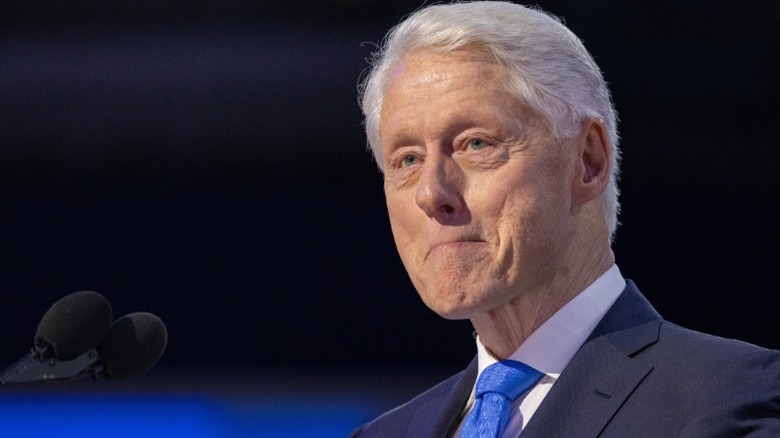
Modern presidencies are marked by more modern coffee choices. A waiter on the team of the 42nd president of the U.S. revealed that Bill Clinton and his wife were certainly familiar with barista-made coffee drinks, as they regularly ordered macchiatos. He was also known to sample gourmet coffee during presidential visits, ordering Cameroon Boyo coffee while in Atlanta.
The habit continued even after his presidency ended and while on the campaign trail for his wife, Hillary. The agenda on the road was often interrupted by quick stops at local coffee hangouts. In Detroit, he dropped in at Germack Coffee, an espresso bar in the Eastern Market. Pennsylvania saw him make a coffee pit stop at Little Amps in Harrisburg. The visit was spur-of-the-moment, with no security sweeps or advance notice. Beyond personal tastes, he appreciated coffee for its important role in global economics, describing it as "an anchor for rural development" at the First World Coffee Producers Forum in 2017.