
9 Bizarre Alcohol Laws Across The US
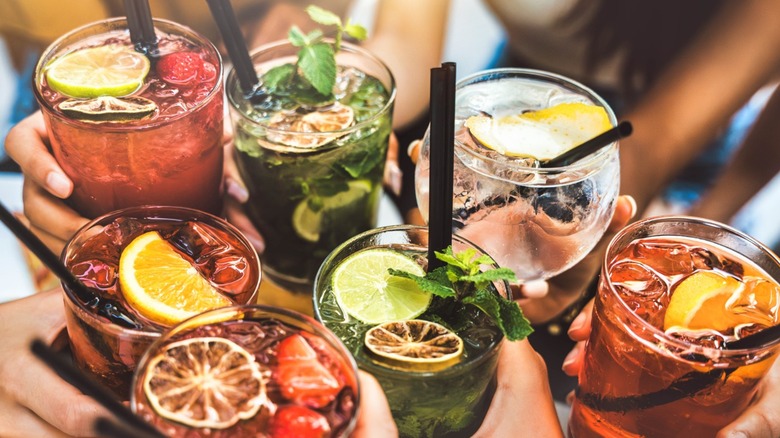
Residents of New York are currently celebrating more relaxed liquor rules, set to come into effect in 2026, but there are plenty of bizarre, strict alcohol laws still in force across the United States. And while a lot of alcohol is consumed in the U.S., in some cases, you can still be served Prohibition vibes. Pennsylvania has some famously confusing liquor laws, but it's one of at least 17 states following the so-called control model, where some aspects of the availability and sale of liquor, beer, and wine are controlled by government agencies in an effort to ensure everyone drinks responsibly.
We trawled the legislation across states in the U.S. to find the most mind-boggling regulations, and we found some real gems. Trying to buy cold beer from the grocery store? That can land you a fine in some states. The same goes for selling alcohol on Sundays or offering booze as a prize. Here's a look at the places when U.S. alcohol laws veer into the truly bizarre.
1. Tennessee: Only one drink per person after 10 p.m.
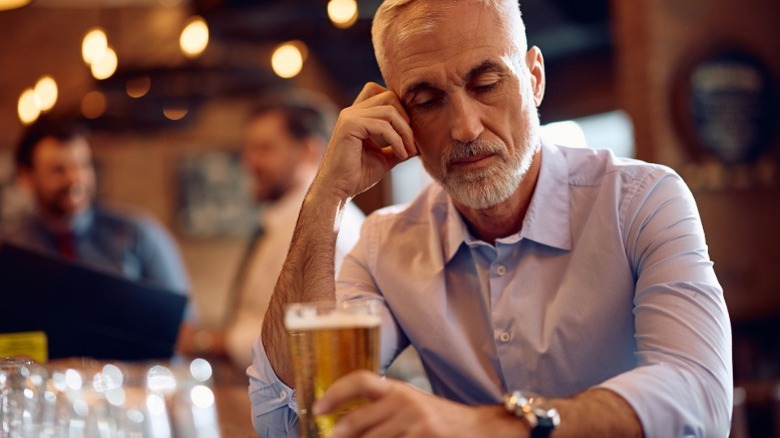
The state of Tennessee may be the legendary home of Jack Daniel's, but try ordering two shots for yourself after the clock strikes 10 p.m., and you may just find yourself in hot water with the law. In the Restaurants and Limited Service Restaurants FAQs listed by the Tennessee Alcoholic Beverage Commission, you'll find a gem buried in the legalese, saying, "Serving two or more drinks or containers of alcoholic beverage to a consumer at one time" is forbidden after 10 p.m. Bartenders already have plenty of rules to follow, but this one may be the most tedious. However, once your glass is empty, you can order the next drink without any issues.
What about happy hours? All kosher until 10 p.m. However, increasing the alcoholic content of a drink without proportionately increasing its price is illegal in Tennessee, no matter what time it is. If you're starting to get the feeling that these fine distinctions present a potential minefield for servers, that's because they really do. These regulations are very similar to alcohol laws in Arizona, except that the latter are even stricter, as only up to 4 ounces of liquor and 32 ounces of beer can be served to one single person at any time. If you're bringing drinks to a large group, get ready for multiple journeys to the bar.
2. Maine: No free alcohol allowed
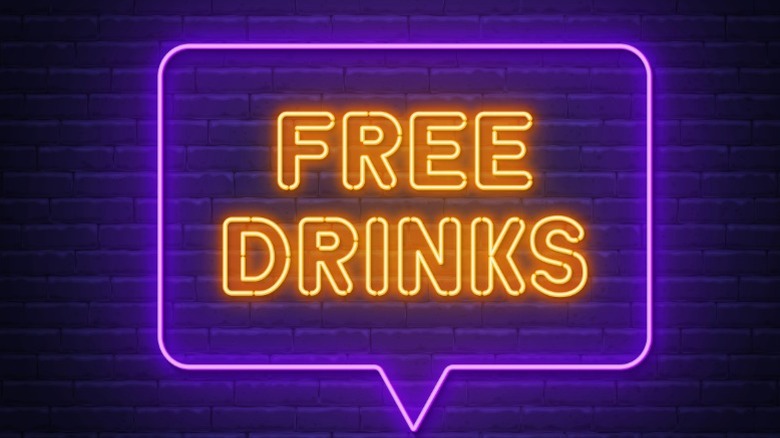
Let's not beat around the bush here — what's not to love about free alcohol? If you're running a licensed liquor store, you'd think there could be no downsides to advertising your wares to responsible adults by offering a free tipple or two. And there isn't — unless you happen to be located in the Pine Tree State, that is, where a regulation titled The Prohibition Of Certain Practices makes it illegal for liquor license holders to give out free drinks to anyone. Drinking games are banned by the same piece of legislation, which also limits the amount of spirits in any drink to 4½ ounces.
Mainers have to contend with some other equally bizarre alcohol laws. Drinking in public is not allowed, for instance, which may not sound like such a big deal until you realize this means foregoing wine or beer during your romantic picnic in the park. The state has a history of stricter control than most, and is widely viewed as being the source of the Prohibition era. The first law in the country to outlaw alcohol was enacted right here, in 1851. Clearly, some old habits die hard. But things are slowly changing — until 2015, you had to wait until 9 a.m. to buy a drink on Sunday, unless it happened to be St. Patrick's Day.
3. Utah: America's Lowest Legal Driving Limit
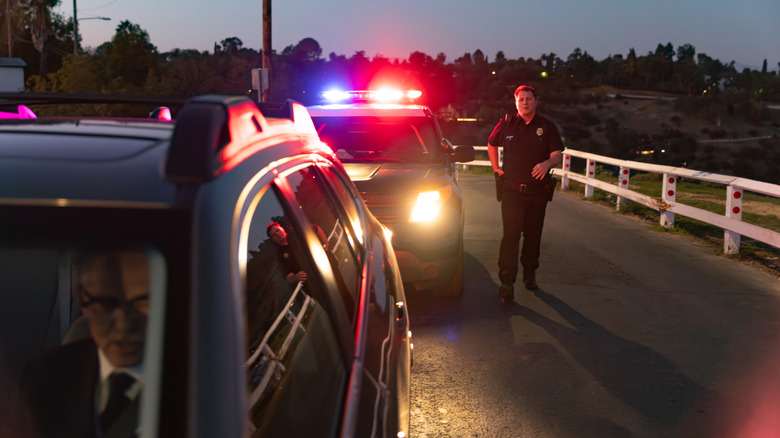
In most states, the legal limit for drinking and driving is .08 grams per deciliter. In Utah, however, they do things differently. The state has the lowest blood alcohol content limit across the U.S. — a .05 reading here will place you over the limit. In theory, this means that if you limit yourself to one standard drink every hour, you should be golden. In practice, however, alcohol affects everyone differently, and a controlled experiment by Fox 13 News found that just two glasses of wine led to a .047 reading for a petite woman, cutting it very close to the limit.
It's not all bad, though. Perhaps in a bid to make up for this low threshold, first-time offenders in Utah get off lighter than in some other states. Penalties typically include a $1,300 fine, up to 48 hours of jail time, a 120-day license suspension, and possibly having your car ignition locked for a period of time. Compared to Arizona's mandatory 10-day jail time, ignition lock, and community service, Utah is considerably more lenient. But there's one other quirk to Utah alcohol laws. If you've had a couple of drinks and you're thinking of sleeping it off in your car, think again. You can still wind up with a black mark on your record simply for being asleep in your vehicle while over the limit. All it takes is being in actual physical control of a vehicle for the charges to stick.
4. Alabama: Bars must publicly display exact liquor amounts in drinks
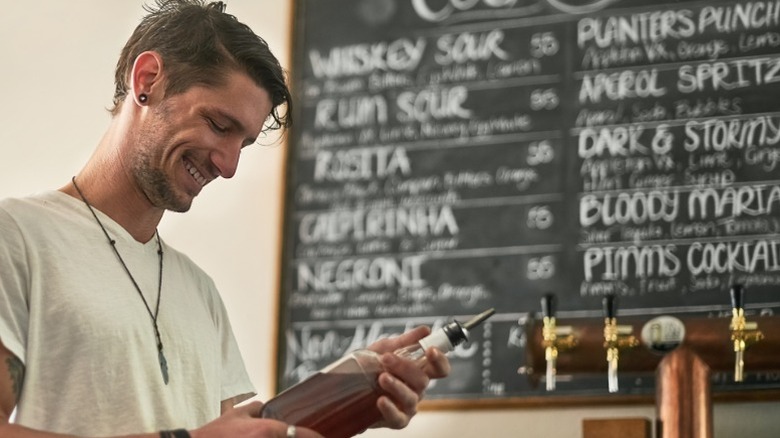
Hands up to those of you who know the exact amount of alcohol that's in their drink when they place an order at the bar. If your hand is still placed down by your side, then chances are you don't live in Alabama. The state requires all licensed places selling liquor to post a notice detailing the quantity of liquor in each individual drink. Not just any old notice will do — it needs to be placed conspicuously, and be at least 8.5 by 11 inches in size. And the letters must be at least 2 inches tall.
The same law also forbids drinking games and having more than one open bottle of each liquor brand. Woe to any server who mistakenly opens a fresh bottle of booze before the previous one is completely emptied, as they'll be falling afoul of the law. At this point, it becomes less about the weirdness of the law and more about making sure you don't end up paying the price in wastage.
5. Wisconsin: People under the age of 21 can drink at a bar in some cases
We've already established that many of the U.S.'s most bizarre alcohol laws find their roots in the Prohibition era, with some places going as far as to control not only the sale of alcohol, but also its consumption outside licensed premises. Then there are those states that err in the other direction, with some viewing them as being too permissive in some respects. One such example is Wisconsin, where the official legal age for drinking and entering licensed premises is 21. But underage patrons can get around this and enjoy a premature drink as long as they're accompanied by a parent or spouse of legal drinking age. There is one caveat: If the licensee so wishes, they can refuse service.
The state of Alaska operates with a modified version of this rule. If you're under the age of 21, you can consume alcohol with your parents at home. But even if you're accompanied by adults, you're still not allowed to drink in a bar. In fact, in 29 states across the U.S. it's perfectly legal for a minor to drink alcohol as long as they're accompanied by their parents, although there may be some restrictions with respect to location. And that, there, may just be the most bizarre U.S. alcohol law of all, especially considering health analysts have warned that it's a bad idea to offer kids drinks at an early age.
6. Virginia: Alcohol can't exceed 55% of a restaurant's total sales
While Virginia is home to excellent wines that often hit the news for the right reasons, the state does have one very bizarre alcohol law — and it comes with an extra side of stress for liquor license holders who are allergic to working out percentages. Put simply, alcohol can't exceed 55% of the total sales at restaurants, which means owners need to ensure they make at least 45% in gross sales of food and non-alcoholic beverages. It's not enough to sell some fries and call it a day: To be compliant, you'll need to sell at least $4,000 worth of food each month, of which half must be "in the form of meals with substantial entrees," according to the Virginia Alcoholic Beverage Control Authority.
Licensees must submit an annual form, called the Mixed Beverage Annual Review (MBAR), to accurately document food and beverage sales. The process is not straightforward, and there's even an online tutorial to help out clueless licensees. And for those who are still confused, there's an online calculator designed to help you figure out if you're meeting your quota. There have been many attempts across the years to get rid of this weird regulation. One senator who claimed the law is unconstitutional sued the state in 2024, but the regulations still remain in place. Later, a 2025 bill was proposed to do away with the ratio requirement, but it also didn't make it.
7. Arkansas: Voters decide whether alcohol can be sold on Sunday
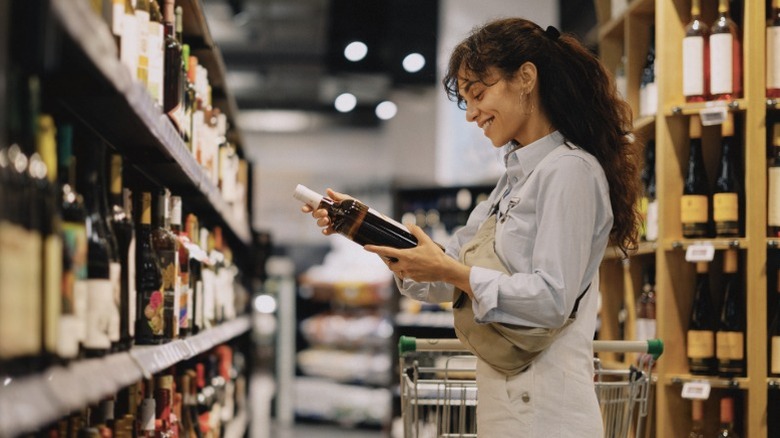
With most folks enjoying a drink or two across the weekend, it stands to reason that Sunday may be a good day for alcohol sales. The law in Arkansas disagrees, as it's generally prohibited to sell liquor for off-premise consumption on the traditional day of rest. In other words, you can enjoy a drink at a bar, but you can't purchase any liquor to bring home. There is a silver lining — each city, town, or county can decide otherwise by enacting an exception to the law. As it turns out, it's the public that holds decision-making power. The law lays down that those municipalities seeking an exemption may hold an election to let the public decide whether or not booze can be purchased on Sundays. Now there's a beautiful example of democracy in practice.
So far, at least 21 places across the state have opted out of the restrictive Sunday law. The biggest challenge is getting the proposal to the referendum stage; at least 15% of eligible voters must sign a petition before proceedings can start. And even if the referendum goes through, alcohol for off-premises consumption can only be sold between the hours of 10 a.m. and midnight.
8. Indiana: You can't buy cold beer at a grocery store
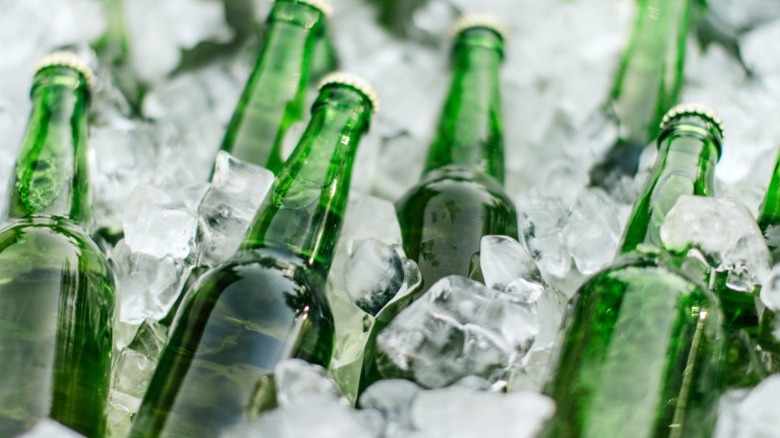
Picture it — it's a sweltering 88 degrees outside, and an ice-cold beer would just hit the spot. You don't feel like dropping into a bar, so you nip into the nearest grocery store for a cheeky to-go. But not if you're in Indiana. Or, rather, you can certainly buy the beer, but it will come at room temperature. This state's claim to bizarre-alcohol-law fame is that it's illegal to sell chilled beer at grocery stores and convenience stores. What's even weirder is that this prohibition also applies to water and soda. In 2015, the Indiana Petroleum Marketers and Convenience Store Association sued the Indiana Alcohol and Tobacco Commission, claiming that the law was discriminatory. The issue went as far as the Court of Appeal, but they lost, and the law remains in force to date.
To sweeten the medicine, since 2018, the state has allowed Sunday alcohol sales between noon and 8 p.m. But needs must, as the saying goes, and the restrictive law hasn't stopped wily traders from hunting for loopholes. One such example is Ricker's gas station, which found a way around the weird law by offering food on-site at its Sheridan and Columbus locations. This has effectively turned the premises into restaurants, which are not covered under the legal ban.
9. Vermont: Beer pitchers over 32 ounces are illegal
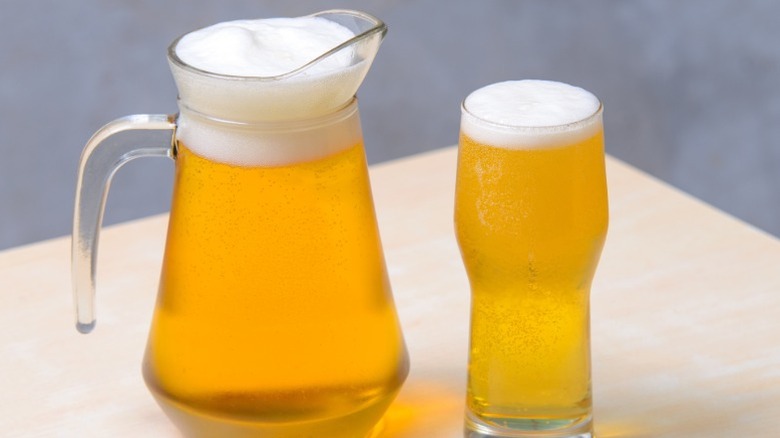
When you order a pitcher of beer, you can reasonably expect to be served 60 ounces in most places. A standard pitcher typically holds just under 4 pints, making it an obvious choice if you're part of a group. But in Vermont, your order may leave you feeling short-changed, as it's illegal for licensees to serve beer in pitchers larger than 32 ounces. You're definitely going to need more trips to the bar.
This is not the only blip on Vermont's list of bizarre alcohol laws, as regulations include a lengthy list of activities forbidden to bartenders. While some make perfect sense — such as no drinking on the job — others might raise a few eyebrows. The top culprits? It's illegal to keep beer drippings and to offer happy hour deals. The latter sounds dismal on the pocket, except that there's a significant loophole: Bars can't cut prices for a specific period of time during the day, but they're allowed to lower beverage prices for an entire day.