

The One Plant That Many Vegetables Are Bred From
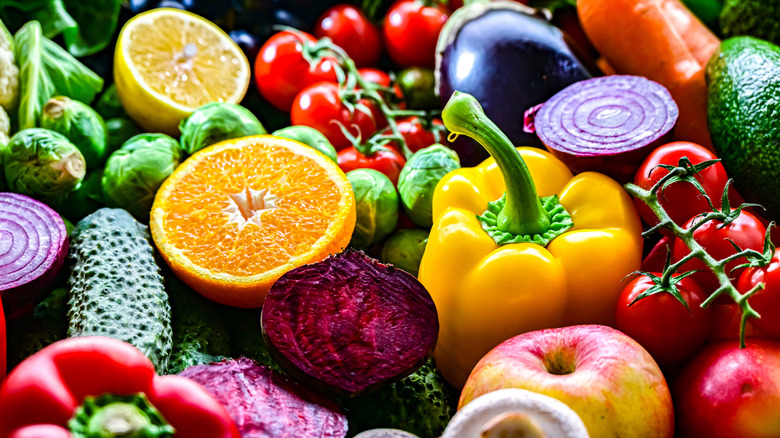
Somewhere in the Mediterranean over 2,000 years ago, someone set something in motion that would eventually cause every child to curse their name. Farmers began selectively breeding Brassica Oleracea – a wild cabbage — starting the process that resulted in many of the most hated foods by children: broccoli, Brussels sprouts, cauliflower, kohlrabi, kale, cabbage, and collard greens. Broccoli itself was then refined in parts of what is now Italy. That's right, kids may hate it, but the many adults who think broccoli is the best vegetable have the ancient Italians to thank.
All those plants are the result of choosing different markers of wild cabbage to breed. Farmers who focused on the flowers eventually produced the broccoli and cauliflower we know today. The plants with terminal buds, or buds that grew at the end of a stem, were what led to cabbage. The leaves gave rise to kale and collard greens. Plants with lateral buds (growing along the side) yielded Brussels sprouts, and swollen-stemmed plants became the kohlrabi, which tastes like cabbage and looks like a turnip.
It's not just wild cabbage – where some other vegetables came from
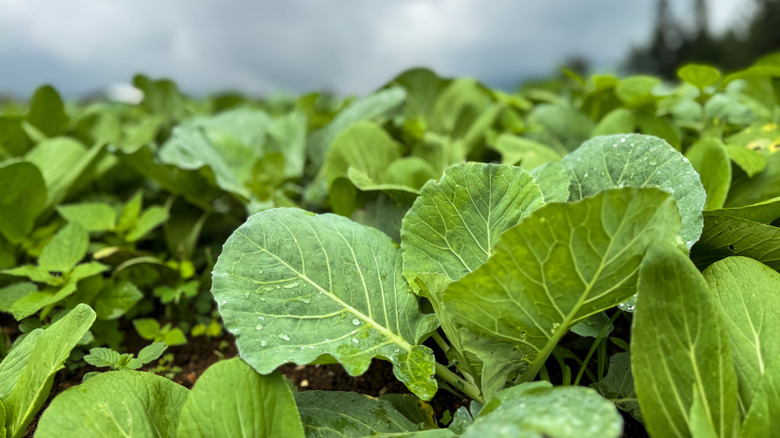
Most of what you find in the produce aisle has been selectively bred over thousands of years to result in what you buy in the grocery store today. Maybe if your supermarket has wild-foraged foods, this wouldn't be the case. But, since we first stumbled upon agriculture, we've been making plants we eat taste better. Much like turning wild cabbage into broccoli, the process involves sowing seeds from the plants with characteristics the farmer preferred. Over time, this repeated selective breeding can result in a genetically different vegetable called a cultivar.
Corn was very different 6,000 to 10,000 years ago in what is now Mexico. Back then, it was a grass called teosinte. The cobs it produced were about an inch long with only eight rows of kernels. Different farmers cultivated it under different conditions, resulting in the many multicolored versions of corn.
4,000 years ago, you would not have been able to recognize what we now know as peaches. When farmers in China first started cultivating the fruit, it was tinier with a lot less edible flesh. It tasted acidic, salty, and earthy, nothing like what we know a peach to be today. This is just the start; if you want to learn more, feel free to read Daily Meal's list of 12 fruits and vegetables that used to look very different!