

French Vanilla Vs Vanilla Bean Ice Cream: What's The Difference?
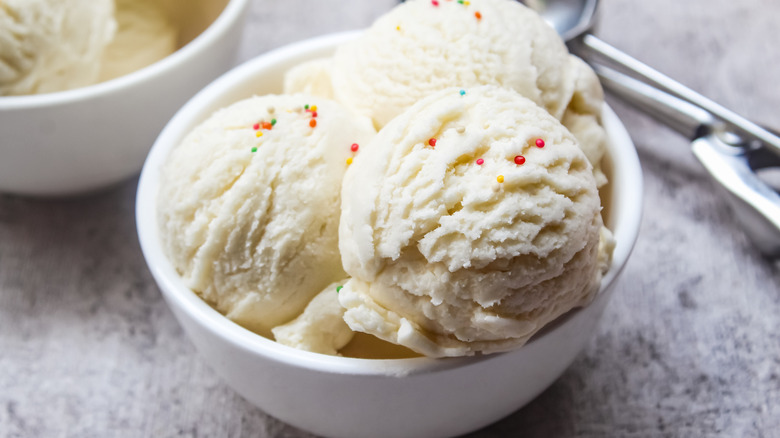
Even people who don't know much about vanilla might assume French vanilla ice cream just sounds fancier, but the truth is more layered than that. The term "French" doesn't refer to the bean's origin but the method: a custard base made with egg yolks. That step gives it its signature golden color and creamy, almost pudding-like texture. It's a world apart from the paler, speckled vanilla bean ice cream you'll find beside it in the freezer aisle.
Meanwhile, vanilla bean ice cream plays a different game entirely. It's not about richness so much as purity, with its flavor drawn straight from real beans rather than a custard base. The two end up living in the same aisle but appealing to different tastes — one indulgent and buttery, the other clean and aromatic. That contrast, combined with a century of clever marketing, has kept both names on cartons long after their origins blurred. As far as ice cream's concerned, even something as familiar as vanilla still has secrets worth scooping into.
Inside French vanilla ice cream's custard base
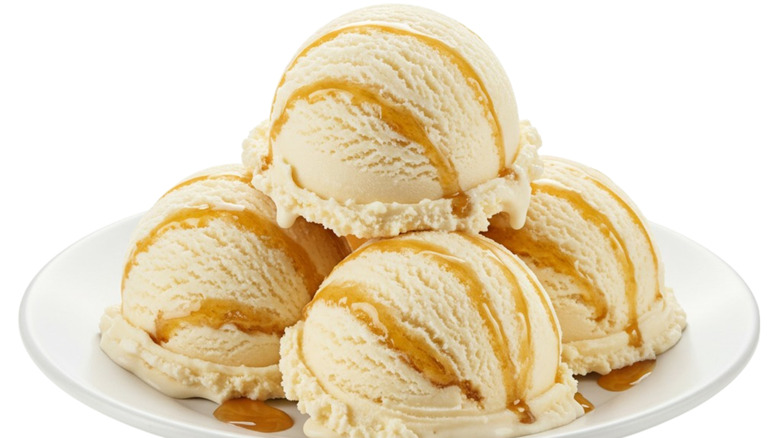
Despite what the name implies, French vanilla ice cream isn't about where the vanilla came from — it's about how the ice cream is made. The "French" part points to the old custard-style technique that folds egg yolks (the ingredient that makes French vanilla so different) into the base before freezing. That step gives the ice cream its pale-gold tint and that smooth, velvety texture that feels more like dessert and less like a quick scoop.
The method traces back to classic French pastry making, where custards like crème anglaise and crème brûlée shaped the backbone of countless desserts. When American ice cream makers borrowed the idea, the result was richer, silkier, and instantly distinct from standard vanilla. It didn't take long for "French vanilla" to become shorthand for indulgence — a flavor dressed up in sophistication, even when the process wasn't purely French.
That mix of technique and marketing turned a simple custard base into a recognizable brand. You'll see the label on coffee creamers, candles, and anything aiming for a hint of comfort dressed as luxury. The name may have started as a reference to a recipe, but it's since taken on a life of its own, meaning something fancier than plain vanilla ever could.
Inside vanilla bean ice cream's simple base
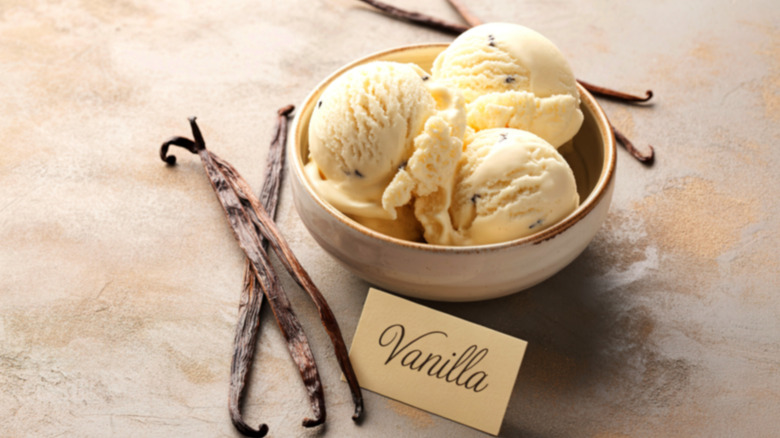
Vanilla bean ice cream takes a simpler route to flavor. Instead of thickening a custard base, it leans on the source itself: the long, slender vanilla pods that carry the ice cream's natural flavor and aroma. Split open, they reveal a syrupy pulp filled with seeds that give the ice cream its freckled look. Those black flecks may not deepen the flavor, but they've come to stand for the real thing. They're a visual cue that signals quality before you even take a bite.
Before vanilla extract became the standard, ice cream makers relied on real beans for flavor. Using the whole pod gave desserts a richer aroma and a fresher taste that extracts couldn't fully match. When imitation vanilla entered the picture, the name "vanilla bean" started carrying more weight. It became a way to show the flavor came from real ingredients instead of something artificial. That meaning stuck, and it's why the moniker still feels like a sign of quality today.
Vanilla bean ice cream is usually lighter in both color and texture, with a flavor that leans floral, creamy, and sometimes faintly smoky depending on where the beans were grown. It's the version that tends to disappear under fruit pies or fudge sauce, not because it's plain, but because it complements everything without overpowering it. Next to French vanilla's custard weight, vanilla bean keeps things much simpler — and sometimes, that's all it needs to stand out.