

How Daylight Saving May Impact Coffee Shops
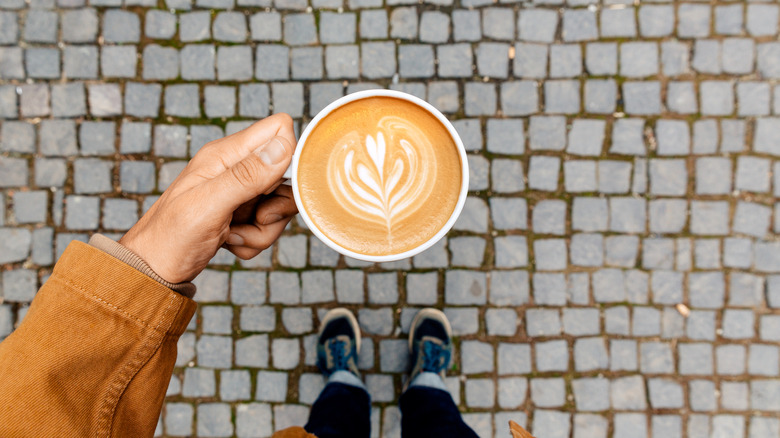
The morning line at your local coffee shop might be a little shorter in about a month as Daylight Saving time ends and we fall back. Most clocks will be changing on November 2 (though some states don't participate), giving you a little more sleep that night. That might just make the a.m. caffeine scramble at Starbucks an easier and more pleasant experience for everyone — and the extra hour to accommodate the morning rush is just the beginning of how Daylight Saving time impacts coffee shops.
When the clocks fall back, we know we're really approaching the winter season. Schedules have changed to accommodate a new year of school, holidays, and sports games. Check out our End of Daylight Saving Time Survival Guide for tips on how to navigate the lifestyle changes around this time of year. At coffee shops, the doors stay open longer after dark, holiday flavors pop back up on the menu, and the times of regular rushes tend to fluctuate. The opposite happens in the spring when Daylight Saving Time kicks in and we lose an hour; more customers tend to flow into coffee shops earlier in the morning, shifting the rush up a bit and creating pockets of quieter times in the afternoon and evening. Some shops change the hours to balance employee schedules, extend evening happy hours, and create seasonal spaces for customers to enjoy.
How biological responses to DST can affect business at your local coffee spot
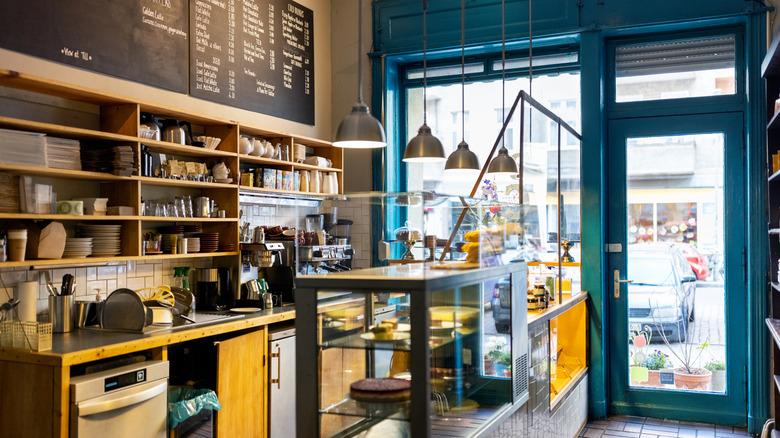
Daylight Saving Time does more than mess with the clocks on our phones. Studies show it also impacts our internal clocks, leading you to questions like how much caffeine is in Starbucks' Pumpkin Spice Latte, and should I add an extra shot? Doctors advise limiting caffeine and alcohol intake over the few days around time changes. That, along with other surprising reasons for cutting back on coffee, could result in fewer customers. How business is impacted at the local coffee hang-out all depends on where a shop is located and how individual customers respond to the twice-yearly changing of the clocks.
Our bodies have a complicated biological system called the circadian rhythm that relies on daylight and nighttime to fine-tune windows of wakefulness and sleep. In the fall, Daylight Saving Time shifts and shortens the daylight window, making people a little more tired and sending them over to the coffee shop for a pick-me-up. Cooler weather also brings more customers through the doors, chasing thoughts of cozy lattes, peppermint mochas, and hot apple cider. Springtime's leap forward forces us awake earlier than our internal circadian rhythm clocks dictate. It's an unpleasant wake-up call for most people, even if you go to bed early the night before, and it could send quite a few more customers to the coffee shop than usual.