
6 Vintage Breads You Rarely See Anymore

Even though some doctors avoid eating bread, you have to admit that it's pretty great. It doesn't matter if it's white bread, pumpernickel, or sourdough — bread reigns supreme. There's a reason why it's managed to remain a kitchen staple through the centuries. In fact, the first known instance of humans baking bread dates back about 14,000 years in modern-day Jordan. This practice exploded during the rise of agriculture, as humans grew large amounts of grain to sustain growing populations. It's fair to assume that a lot of different breads were made in that time frame.
However, not every type of bread can withstand the test of time. You might see some of these vintage, niche breads in grandma's kitchen, but rarely in a supermarket. Some are helpful and easy to make for the people of their era, like hardtack and jannock, while others are simply more niche, like anadama bread or harlequin sourdough. Either way, you probably haven't seen any of these loaves in a while.
Salt-rising bread
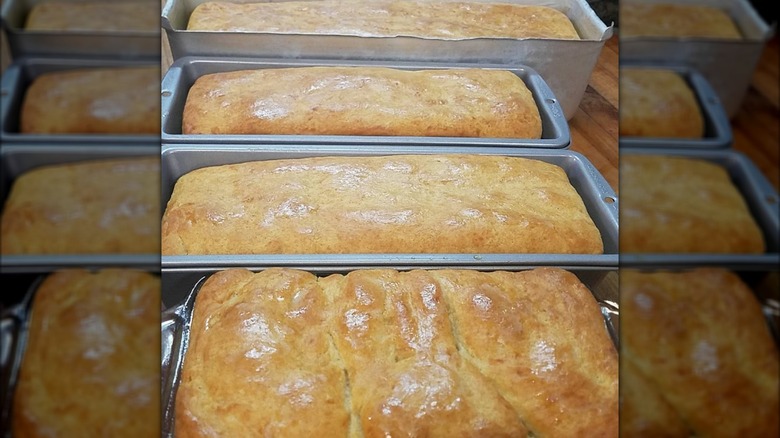
Hailing from the mountains of West Virginia, each batch of salt-rising bread tastes different because it's made from wild bacteria. Bakers often make their own starters using whatever they have on hand, and they have to start baking immediately after the starter ferments. This bread-baking hack dates back to the late 18th century and comes primarily from Appalachians who didn't have access to traditional baking yeast. Once packaged bread became widely available, this variety fell out of fashion.
No-knead peasant bread
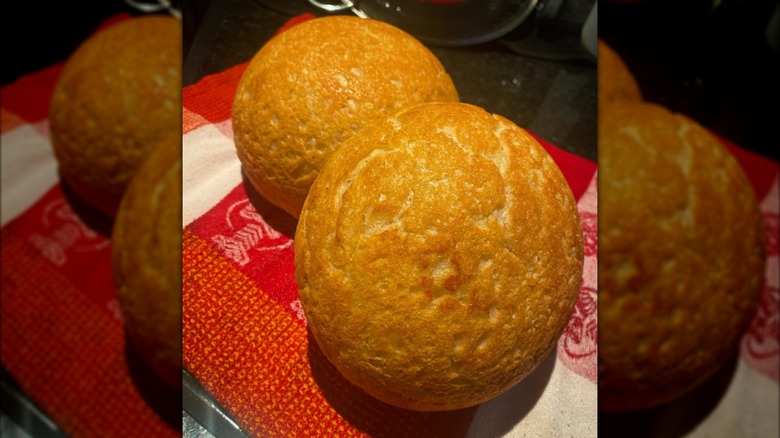
This is another type of bread that originated with people who used what they had on hand, though this variety has roots in medieval Europe. Farmers of the time used whatever wheat they had available, and as the name suggests, kneading wasn't necessary. Just shape the dough into a couple of balls before baking. It's ready to eat relatively quickly.
Anadama bread
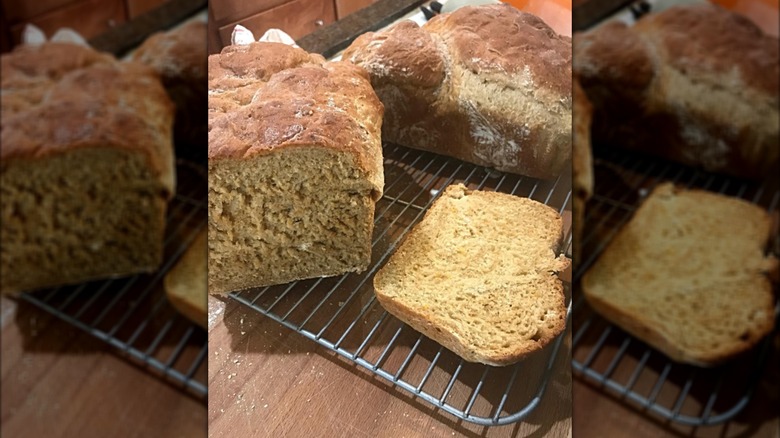
Anadama bread, made from cornmeal and molasses, comes from Massachusetts, though its exact origins are unclear. Rumor has it that it was made by a fisherman's (or sea captain's) wife, Anna, who served her husband a bowl of cornmeal and molasses. He added yeast and flour to the mix, and anadama bread was born. Folks in Massachusetts still eat it, though people outside the region may not be familiar with it.
Jannock
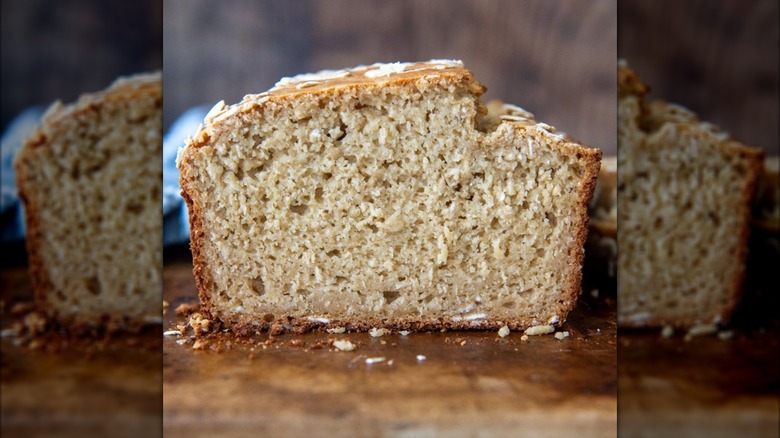
This one is really obscure. Jannock is a type of oat bread that was popular in northern regions of the U.K. from the 16th to the 20th century. It was made from oats, water, and ... that's it, really. It was baked into a large circle and cut into pocket-sized pieces for workers.
Hardtack
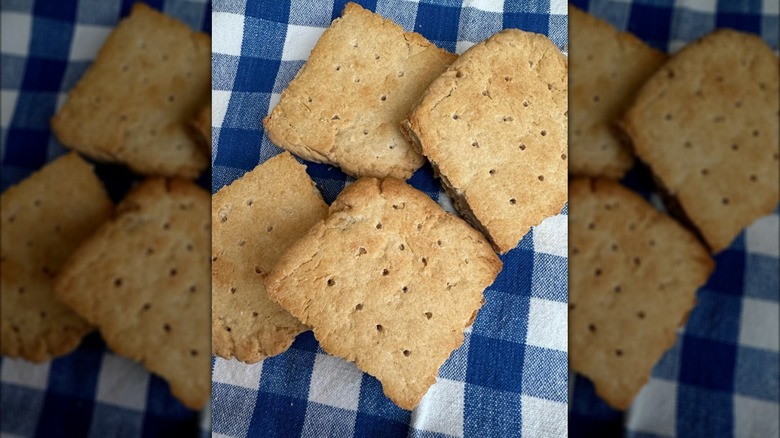
Hardtack is less of a bread than it is a cracker. It rose to prominence as a ration for soldiers during the American Civil War, partially because it was easy to make, requiring just flour, water, and salt. Unlike some old-school breakfast pastries that need to make a comeback, hardtack wasn't that tasty — in fact, insects often laid eggs inside it. So, it's probably a good thing that you're not seeing it at your local grocery store.
Harlequin bread
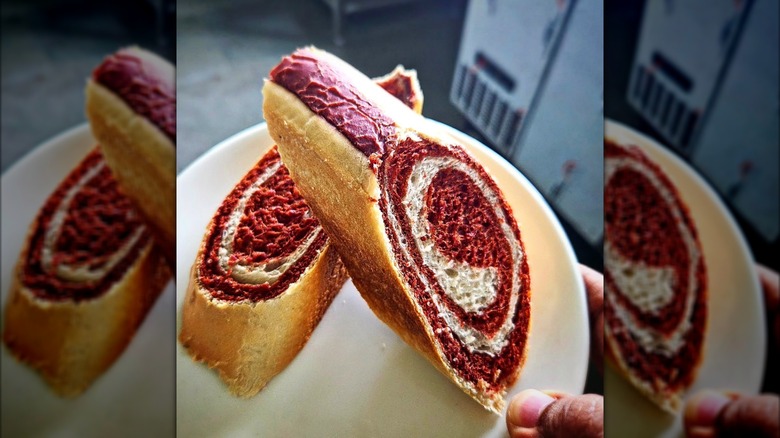
This bread has multiple definitions. One of the more popular versions includes brown and white bread swirled into one loaf. The other version is called harlequin sourdough. It's baked with pumpkin seeds and goji berries, and the slices look polka-dotted. Its origins are unknown.