

Corn Silk Isn't Trash, It's A Beverage Waiting To Happen. Here's How
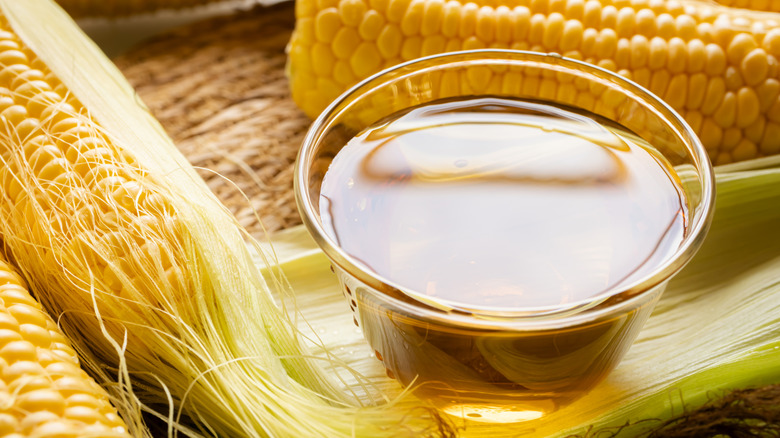
The world of tea is vast. From desi chai to decaf rooibos, it shows up in almost every culture. Much like coffee, it's always brimming with possibilities. The last surprising entrant was bubble or boba tea. Soon, there may be another unexpected contender making waves — not for its fun colors and textures like boba, but for its health benefits. Enter corn silk tea. If you're wondering what corn silk is, it's the brown, fibrous threads that line an ear of corn — yes, the same hairy, sticky strands you cannot wait to strip away so they don't cling to your teeth. If you can find the right hack to remove corn silk easily, though, you can put these silky strands to good use for both flavor and wellness.
Corn silk tea has already started making its mark in a few Asian countries — Korea, of course, being one of them (trendsetters need to stay ahead). It won't be long before the rest of the world catches on, but the beverage isn't a new concoction. The roots of corn silk tea can be traced back to ancient China, where it was used as traditional medicine. It just never came under the global spotlight, but that's clearly changing. So, why corn silk tea? Let's start with logistics. Not only is it cheap, but the ingredient is practically free if you're buying fresh corn. Beyond that, it can help detox your system, reduce inflammation, and even aid in managing diabetes. The health perks are just one part of the story, though. Corn silk tea can also be a treat to your taste buds if done right.
How to make corn silk tea at home
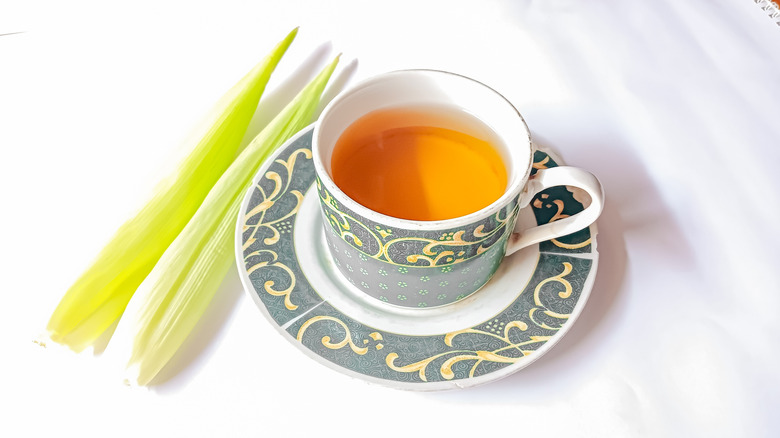
It doesn't take much to make corn silk tea, as you might have already guessed. Just toss a few corn silk strands into hot water, steep for about five minutes, then boil for another five. If you don't have fresh corn silk strands, try to get your hands on corn silk tincture or extracts; those work, too. When it comes to tea, fresh ingredients always work better, especially if you're consuming it for health benefits. Furthermore, you don't have to stick only to corn silk to make this tea. You can play around with spices or other teas; corn silk tea actually tastes better when blended with herbs like dandelion or chamomile. You can sweeten this brew naturally with honey, maple syrup, or jaggery, add a little sugar, or skip the sweetener altogether. The result is a satisfying, wholesome cup of tea that tastes unfamiliar but delightfully delish. If you're not into hot tea, iced corn silk tea isn't out of the question.
Just because it soothes your palate doesn't mean you should chug multiple cups at once. Corn silk tea is one of the teas you might want to avoid if you're dehydrated, as it is a diuretic, which means it helps flush extra water from your body. Sip slowly, and the next time you hold a tea ceremony, maybe introduce it to your social group. Be known as the person who brought this upcoming tea trend to the table.