

The Hidden Superpower Of Aged Cheeses To Know About

While a soft cheese like melty mozzarella is a champ at creating gooey cheese pulls, aged varieties have their merits, too. For example, they're packed with a rich umami flavor, provide a concentrated hit of savoriness when scattered over casseroles, and add an instant, creamy boost to sauces and soups. Better yet, aged cheeses (such as cheddar, Swiss, or Monterey Jack) have a hidden superpower that you might not know about: They actually strengthen tooth enamel.
Unlike soft, unripe cheeses that are enjoyed fresh, such as mascarpone, aged cheese is matured in a temperature-controlled environment and turned regularly to allow its flavors to intensify over time. It's also an incredible source of calcium and phosphorus, a pair of vitamins that are essential for strengthening tooth enamel. Perhaps most interestingly, aged cheese contains a protein called casein that helps it stick to the teeth, creating a barrier on the surface that prevents acidic foods, like citrus fruits and juices, from wearing down enamel. This protective film can therefore reduce dental erosion and tooth sensitivity. The upshot? You might just be boosting your molars' health when enjoying that cheese plate brimming with gorgonzola and Camembert.
Eating cheese washes away harmful bacteria
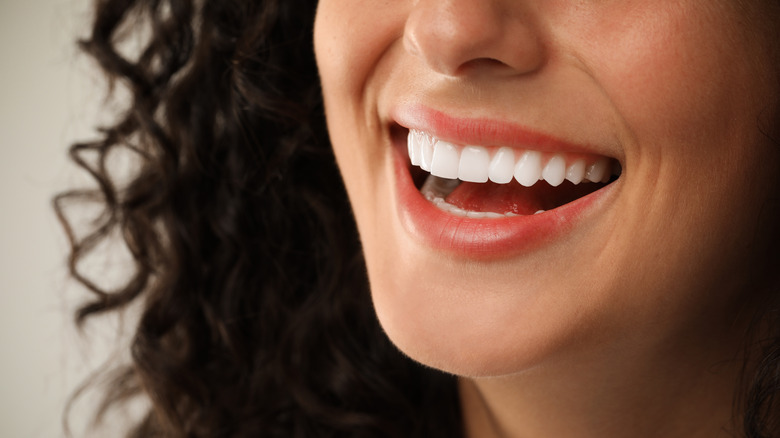
In addition to leaving a protective film on the teeth when you've finished, aged cheeses get rid of some harmful bacteria in the mouth while you're actually eating them. This oral bacteria is washed away by an increase in saliva production, which also works to raise the mouth's pH level. The bacteria that cause cavities are less likely to thrive in this less-acidic environment, which is a definite win for oral health. This info might be useful for dentists, but interestingly, aged cheese is one of the party foods doctors won't touch if they want to get a good night's sleep. Why? It contains an amino acid called tyramine, which causes an increase in the release of a hormone called norepinephrine that promotes wakefulness. One of the other crazy facts about cheese you might not know is that it takes a whopping 10 pounds of milk to make just 1 pound of cheese.
A daily serving size of hard cheese stands at about 30 grams (the size of a matchbox), and about a quarter of its energy is made up of protein, making it a satiating snack when combined with a carbohydrate, like crackers or chips. If you need more reasons to eat more cheese, you might be pleased to know that higher dairy consumption can lower the risk of stroke and heart disease. However, bear in mind that cheese is also high in fat, so overconsumption can raise cholesterol levels.