

Why Pasta Dishes Often Fall Flat In A Slow Cooker
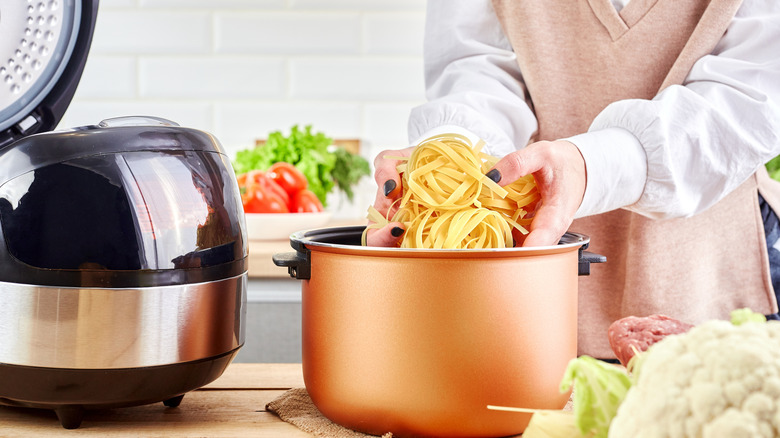
Meaty dishes, such as beef stews and chilis, are perfect for slow cooking. The leisurely simmer both tenderizes the connective tissue and renders down the fat, producing protein-rich meals with a succulent consistency and flavorful gravy. However, carb-heavy pasta-based dishes often fall flat in a slow cooker and are better off prepared on the stovetop.
When cooked for a lengthy period of time, pasta noodles continue to absorb the liquid they're submerged in, which negatively affects their texture and turns them gummy and squishy. Why is this a problem? In classic pasta dishes, such as spaghetti carbonara, the noodles need to hold onto some of their structural integrity to lend them a satisfying mouthfeel and filling quality. Even in saucier recipes, such as pasta bakes and lasagnas, the noodles should be cooked through but have a slight resistance to them. This sign of doneness is known as "al dente," or "to the tooth" in Italian. During a long, slow cook, pasta shapes continue to imbibe liquids and surpass the al dente stage. As more of the starch inside the pasta is released into the cooking sauce, the noodles can cling together into a sticky mass and become sloppy and slippery. This is why pasta is often cooked separately from the sauce and added at the last minute (along with a splash of the starchy cooking liquid to lend the finished dish an inviting sheen and thickness.)
How to cook pasta dishes effectively in a slow cooker
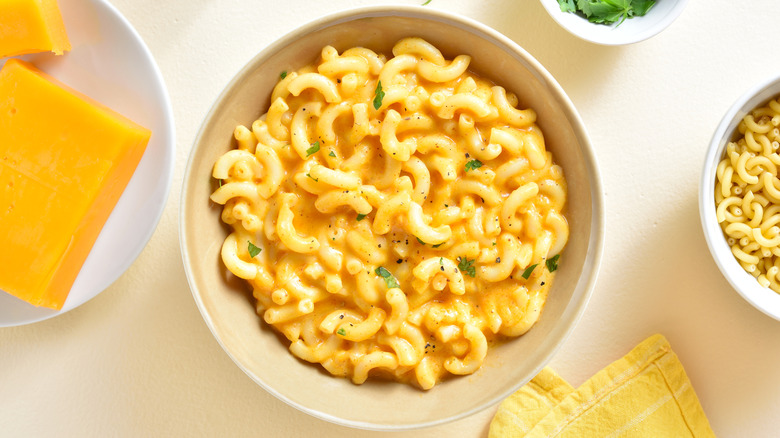
Now, this isn't to say that you can't cook pasta dishes in a slow cooker. With a little technique and timing, you can get away with preparing an entire noodle dish inside a single pot. For instance, in this recipe for slow cooker chili beef and pasta, a cup of cooked elbow macaroni is added into the meaty ragù for the final ten minutes of cooking time. However, you could just as easily use raw pasta shapes and cook them for a slightly longer period until they're done to your liking. This move allows the ground beef and tomatoes to meld into a flavorful slow-cooked sauce beforehand and guarantees that the pasta remains al dente when added later. Using thicker varieties of pasta noodles that can withstand a slightly longer cooking time, versus thinner options, like spaghettini, angel hair pasta, or farfalle, is another useful tip.
While al dente pasta has a satisfyingly toothsome texture, it might not suit the textural needs of every member of your household. For example, if you're introducing solid foods to a baby for the first time or batch cooking for an elderly person with dietary needs, softer noodles are ideal. This slow cooker queso mac and cheese recipe makes an incredible starting point because the pasta is simmered for three hours on low (just omit the canned green chilies to make it spice-free).